This post is also available in:
 ไทย
ไทย
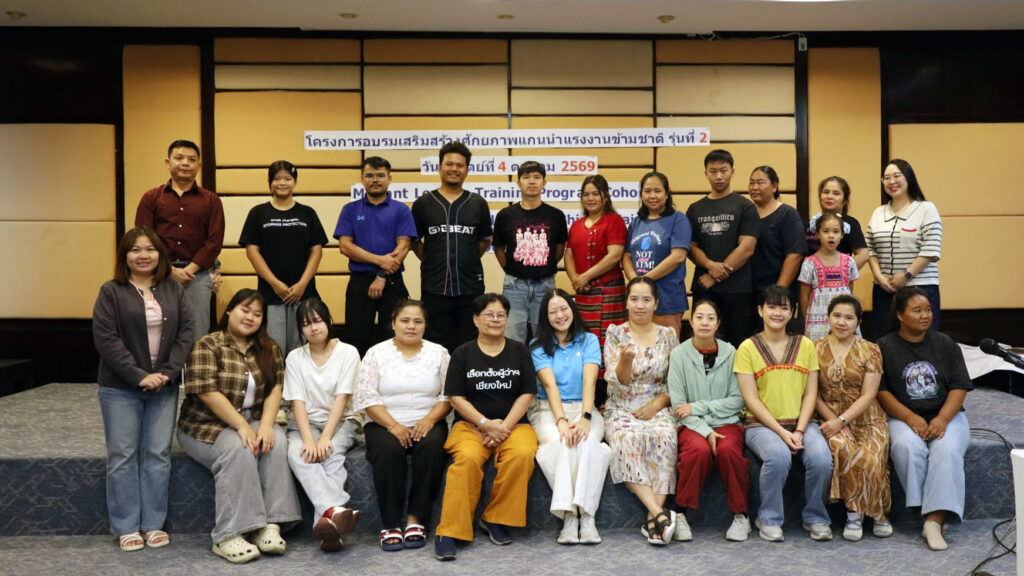
Chiang Mai, 4 October 2026 – Migrant workers in Thailand may face rights problems in many forms: unpaid or partially paid wages, overtime without pay, unexplained wage deductions, dismissal without entitled benefits, or workplace accidents without knowing where to seek help.
In many cases, workers are not unwilling to claim their rights. They do not know what rights they have, what evidence to keep, or which agency to approach, especially amid language barriers, limited access to information, and unfamiliarity with Thailand’s rights protection system.
People within the community who can gather information, explain basic channels for help, and refer cases to relevant agencies are therefore a vital link to assistance.
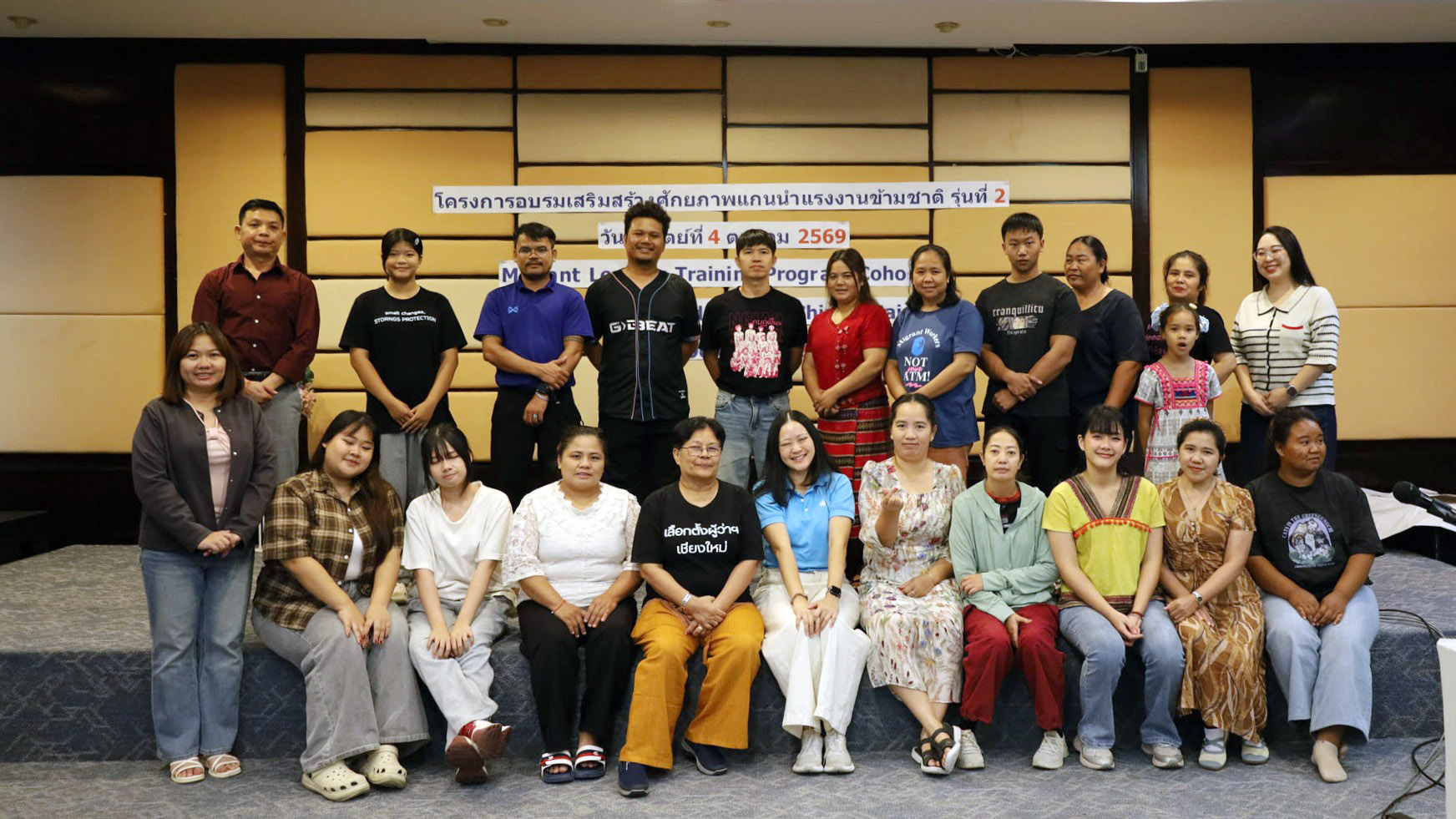
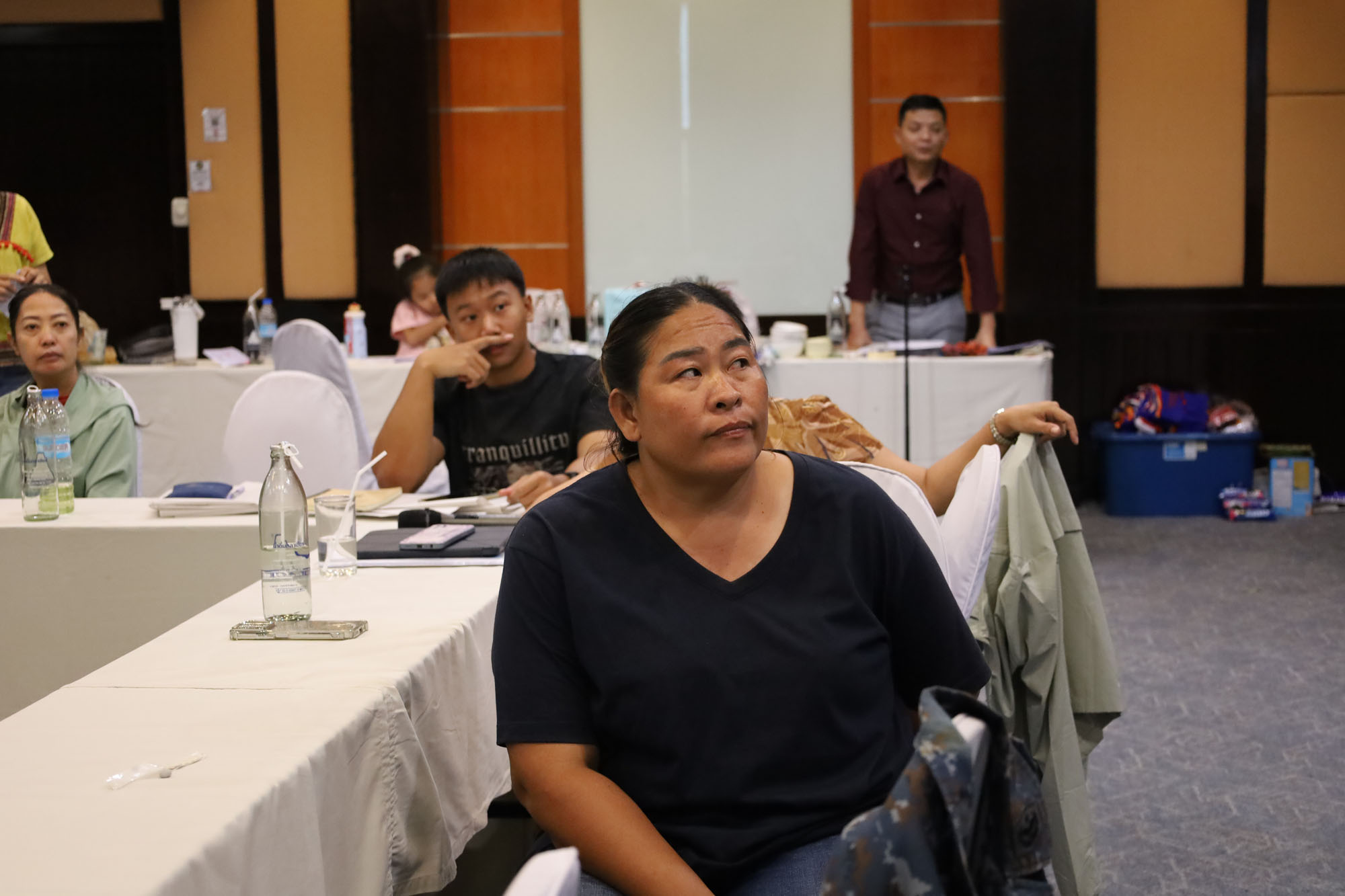
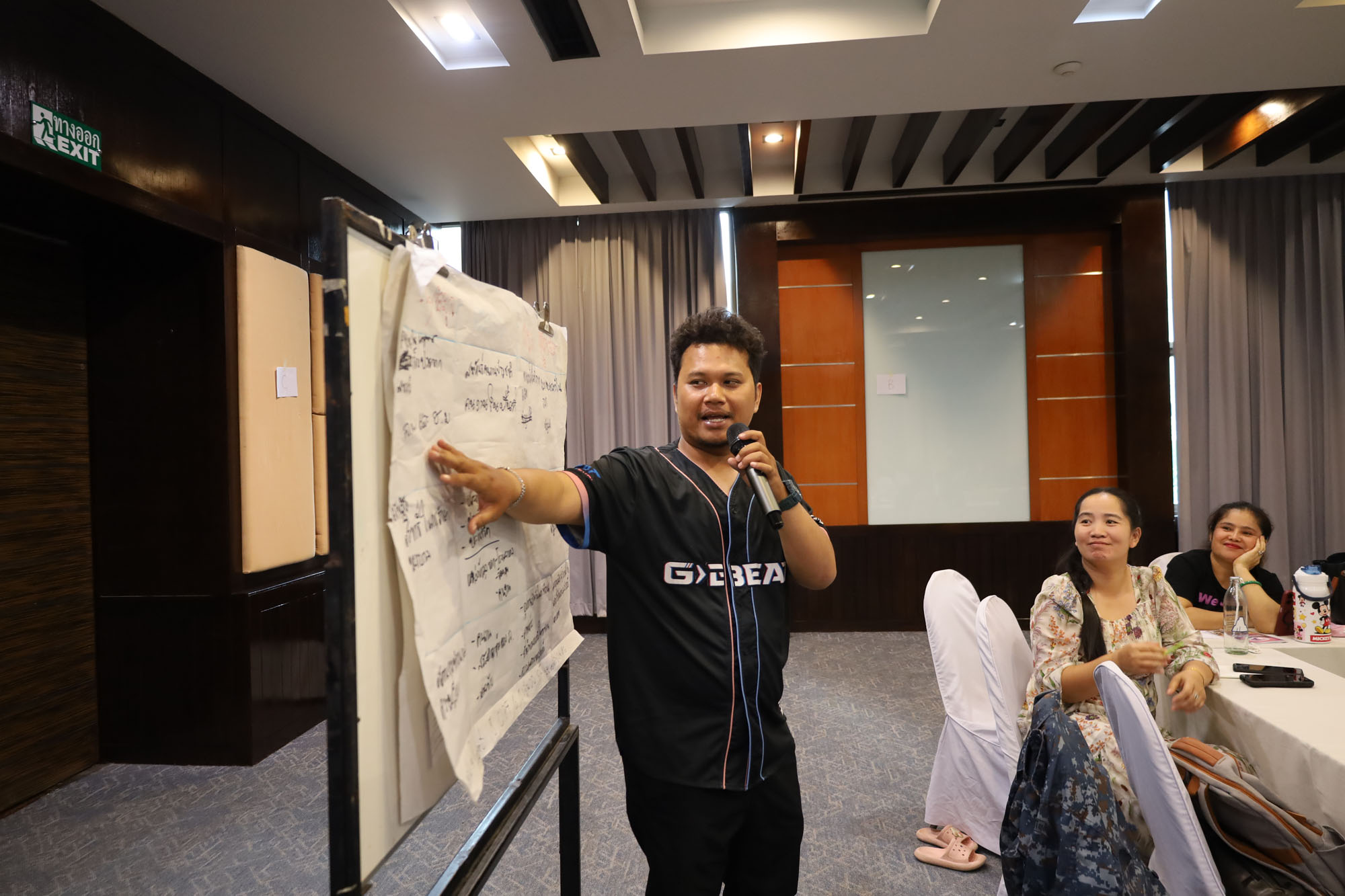
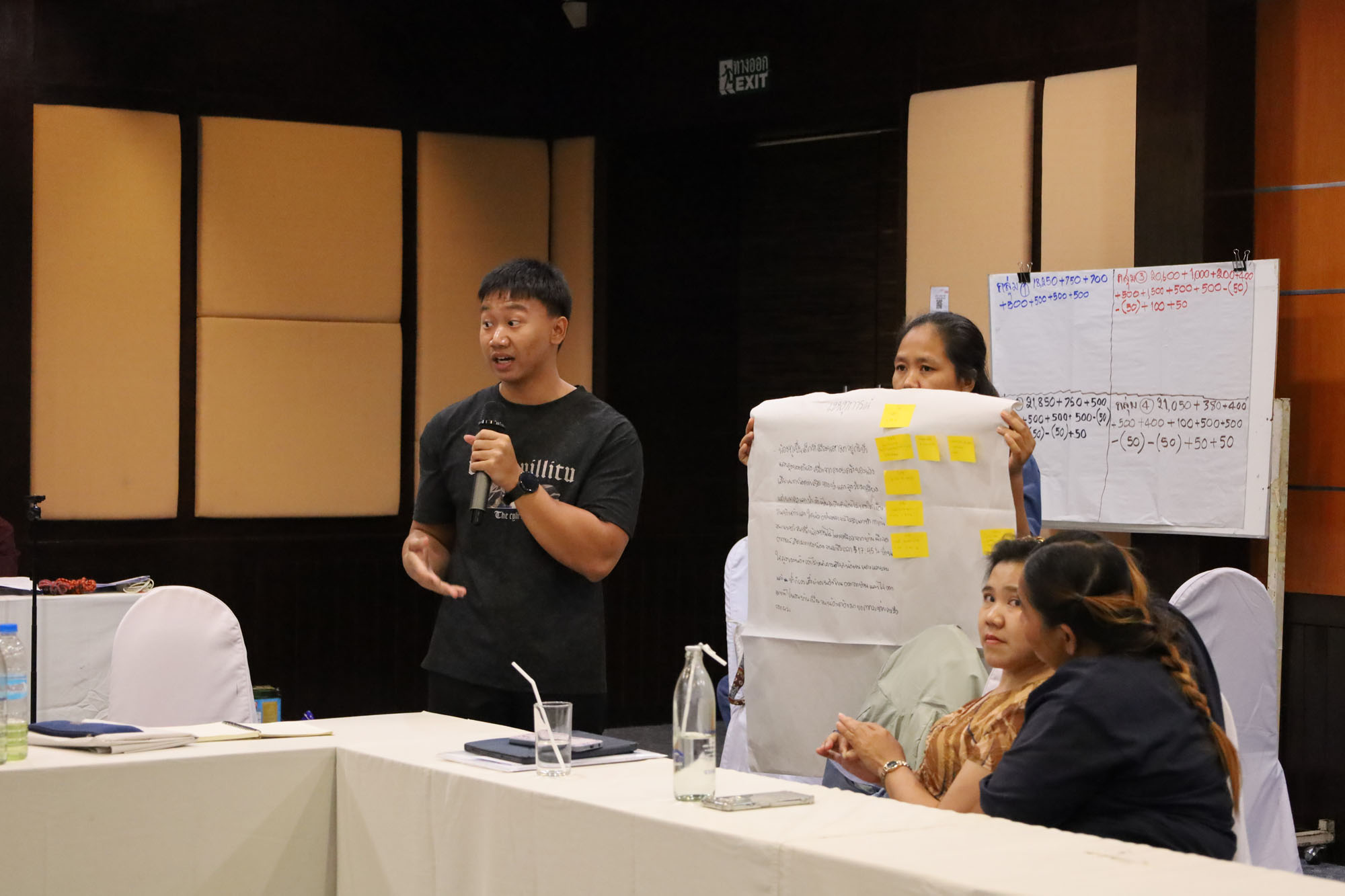
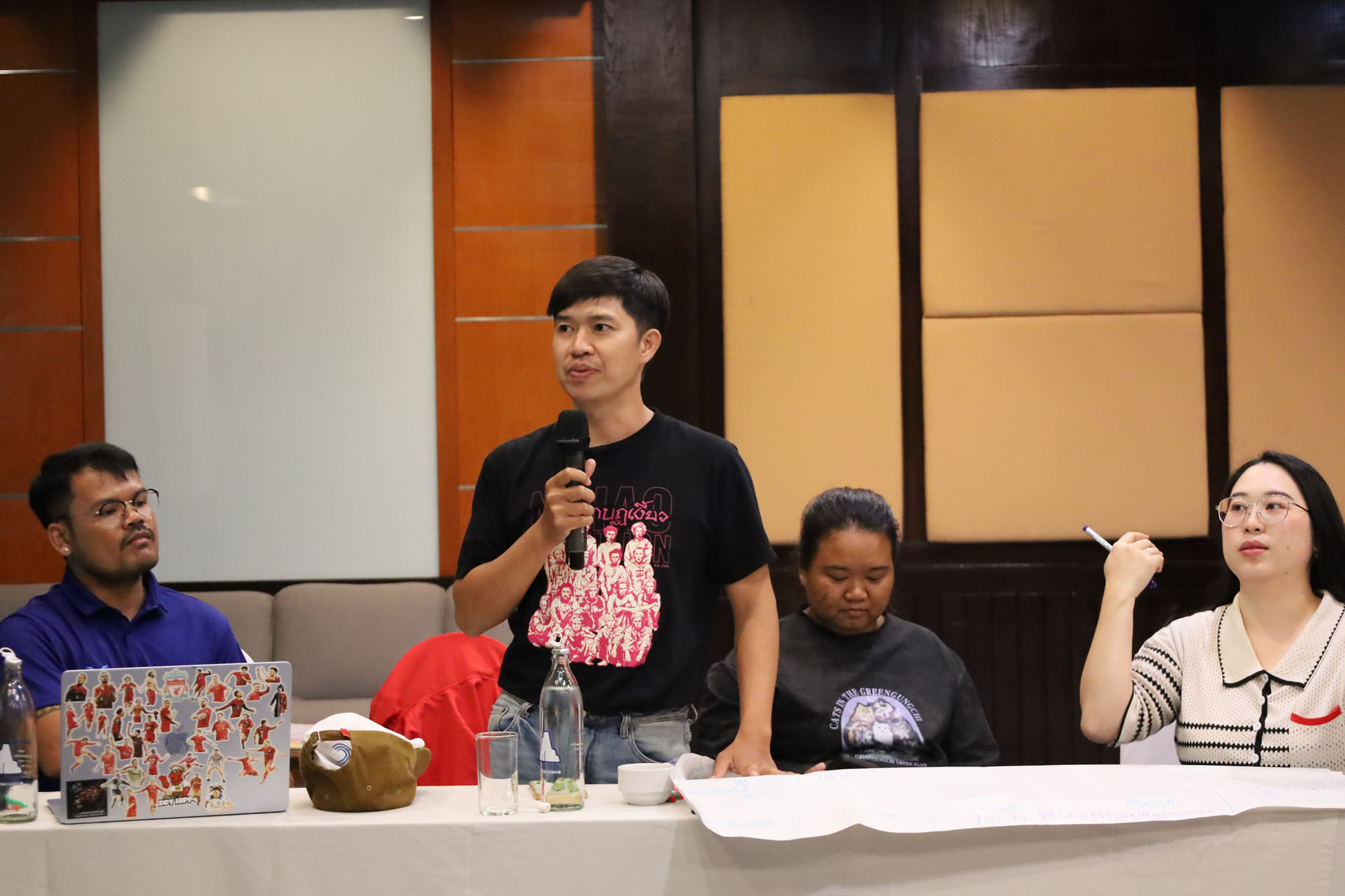
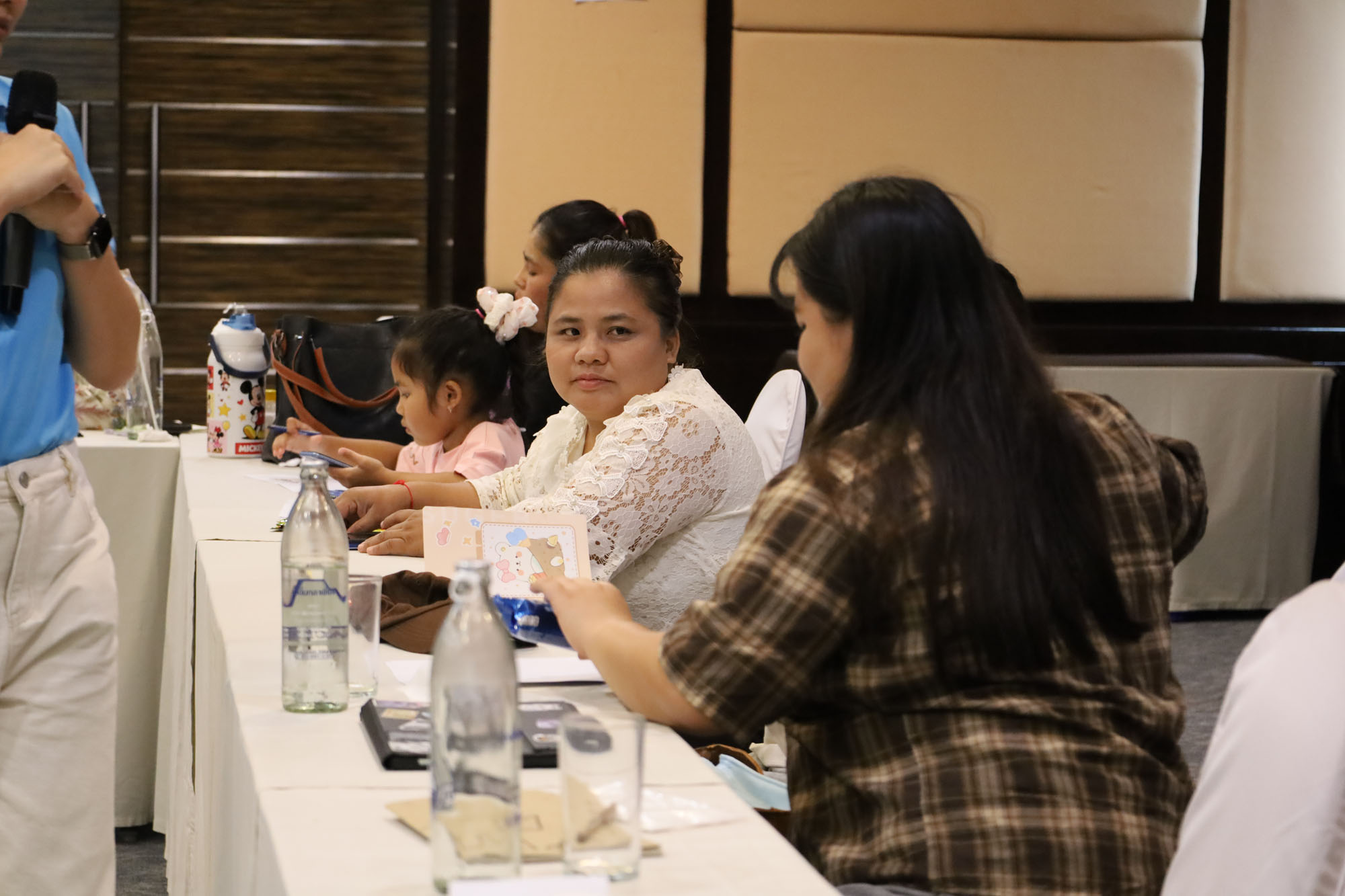
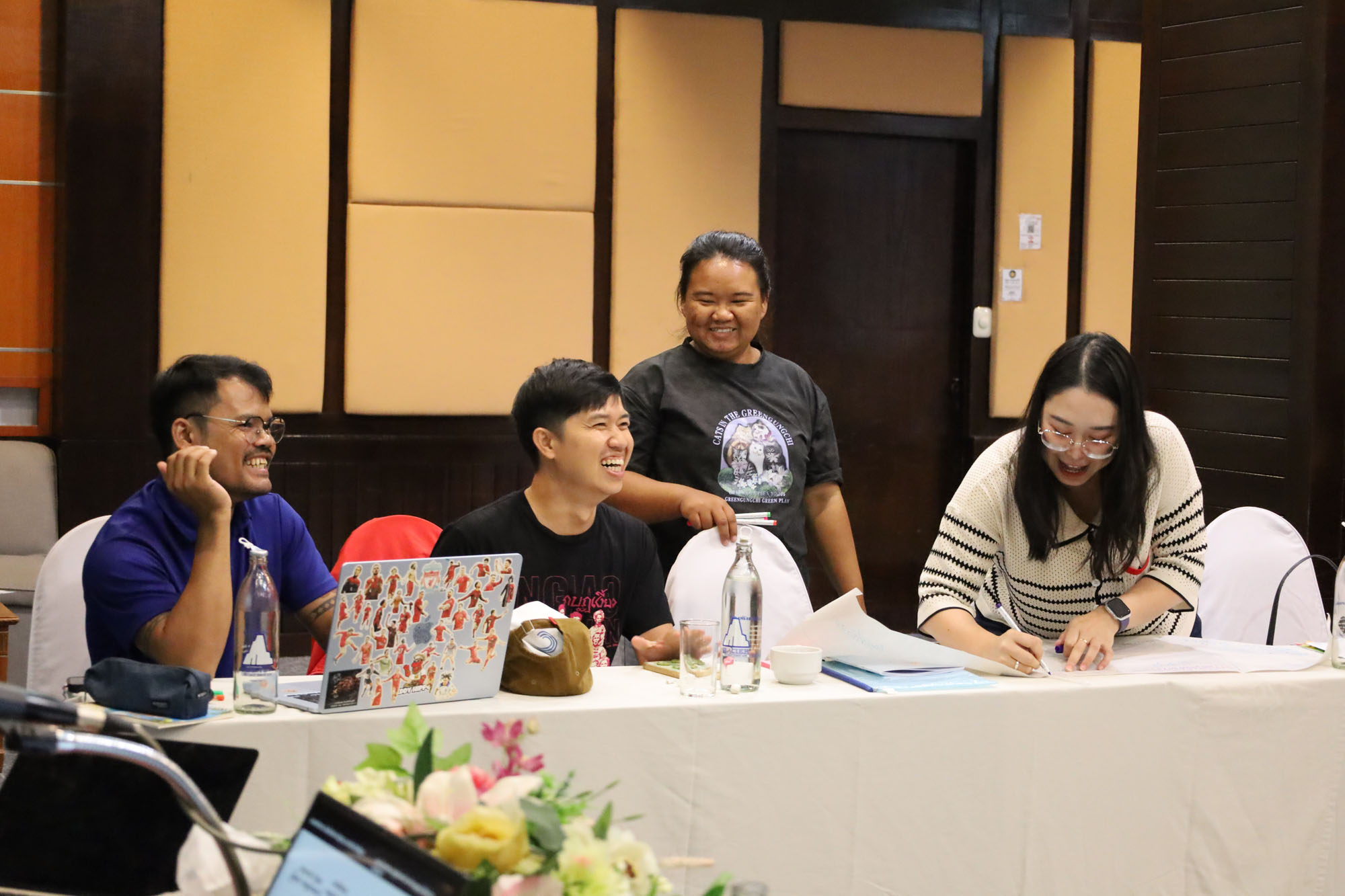
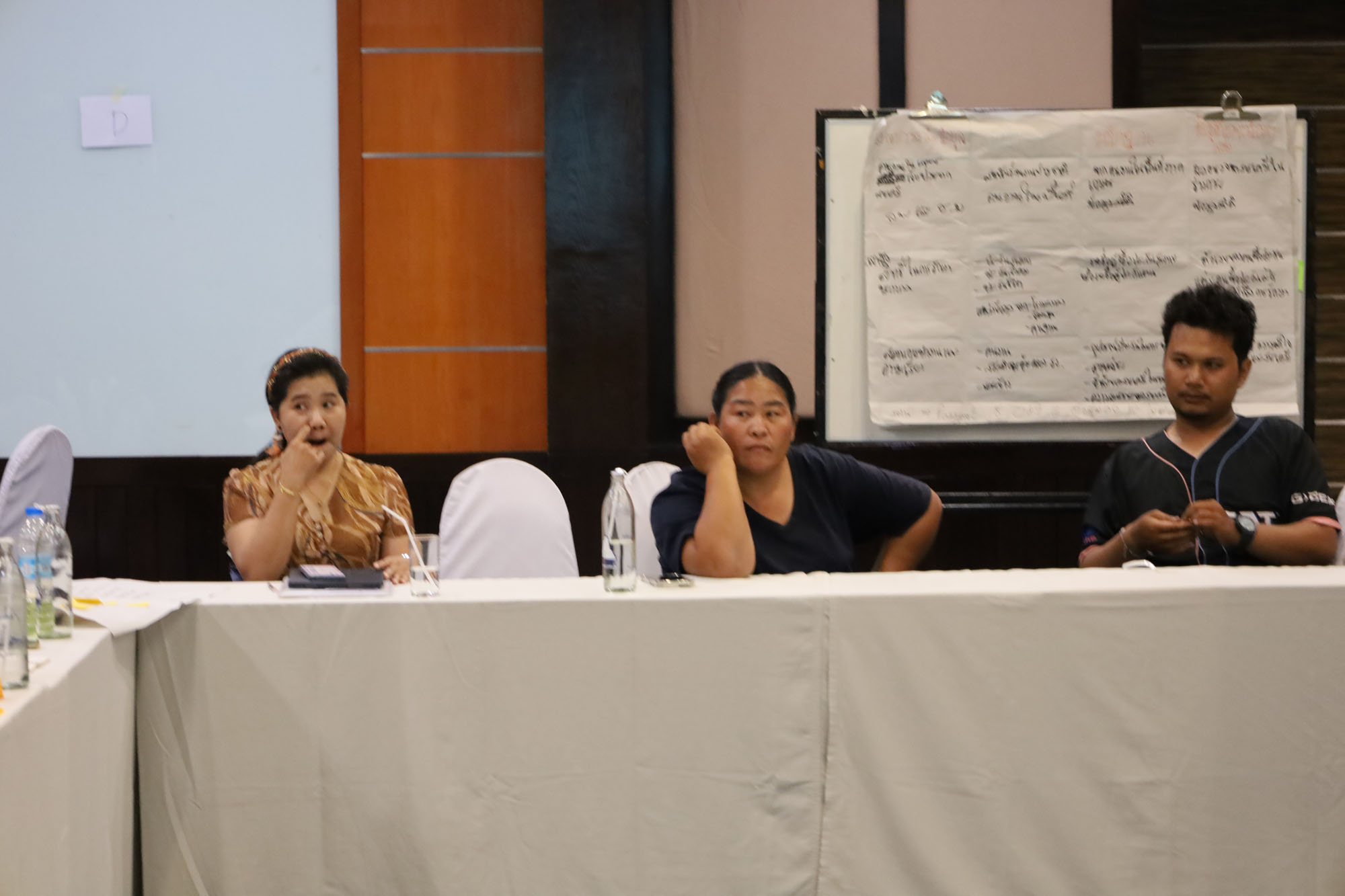
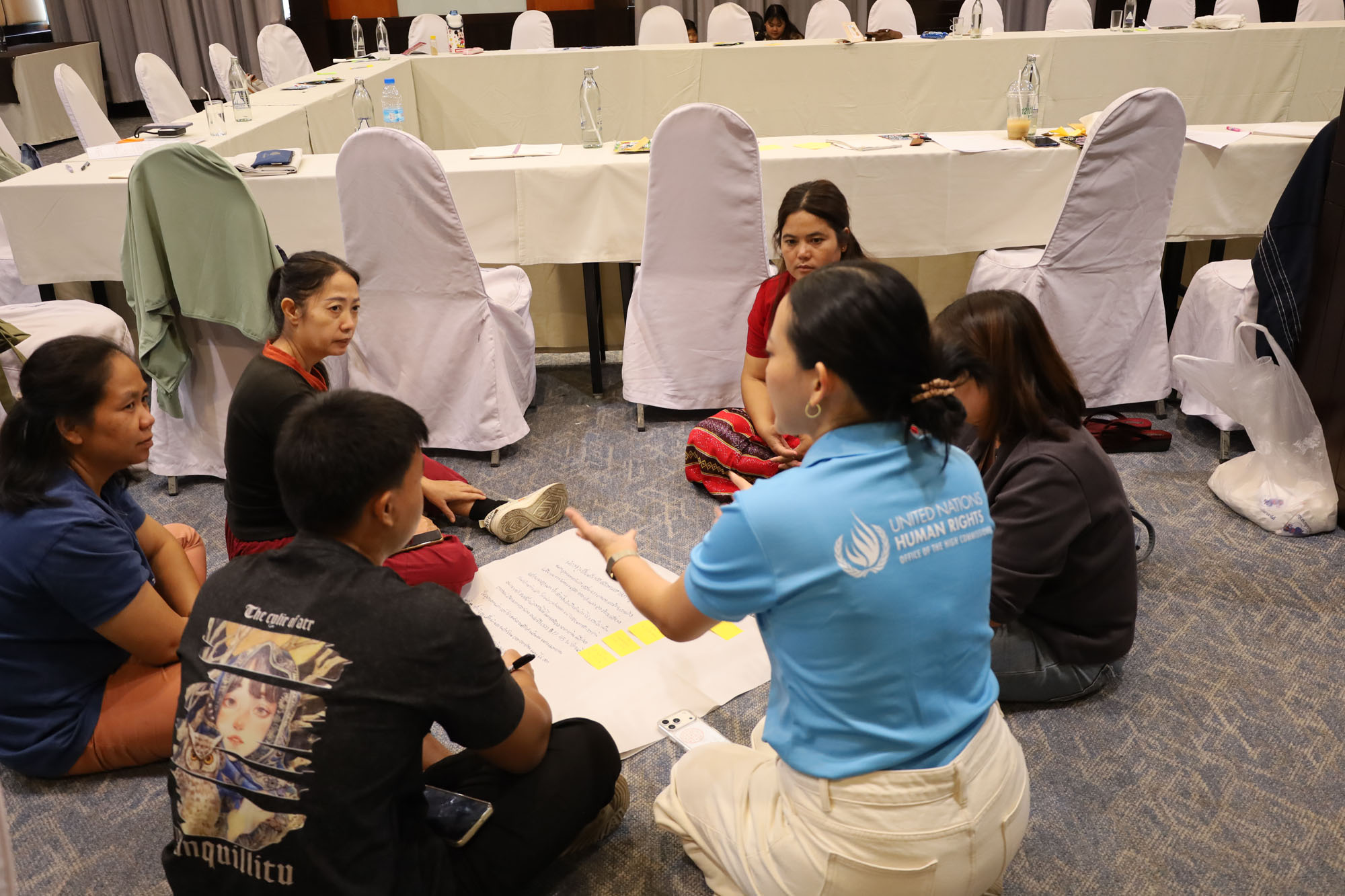
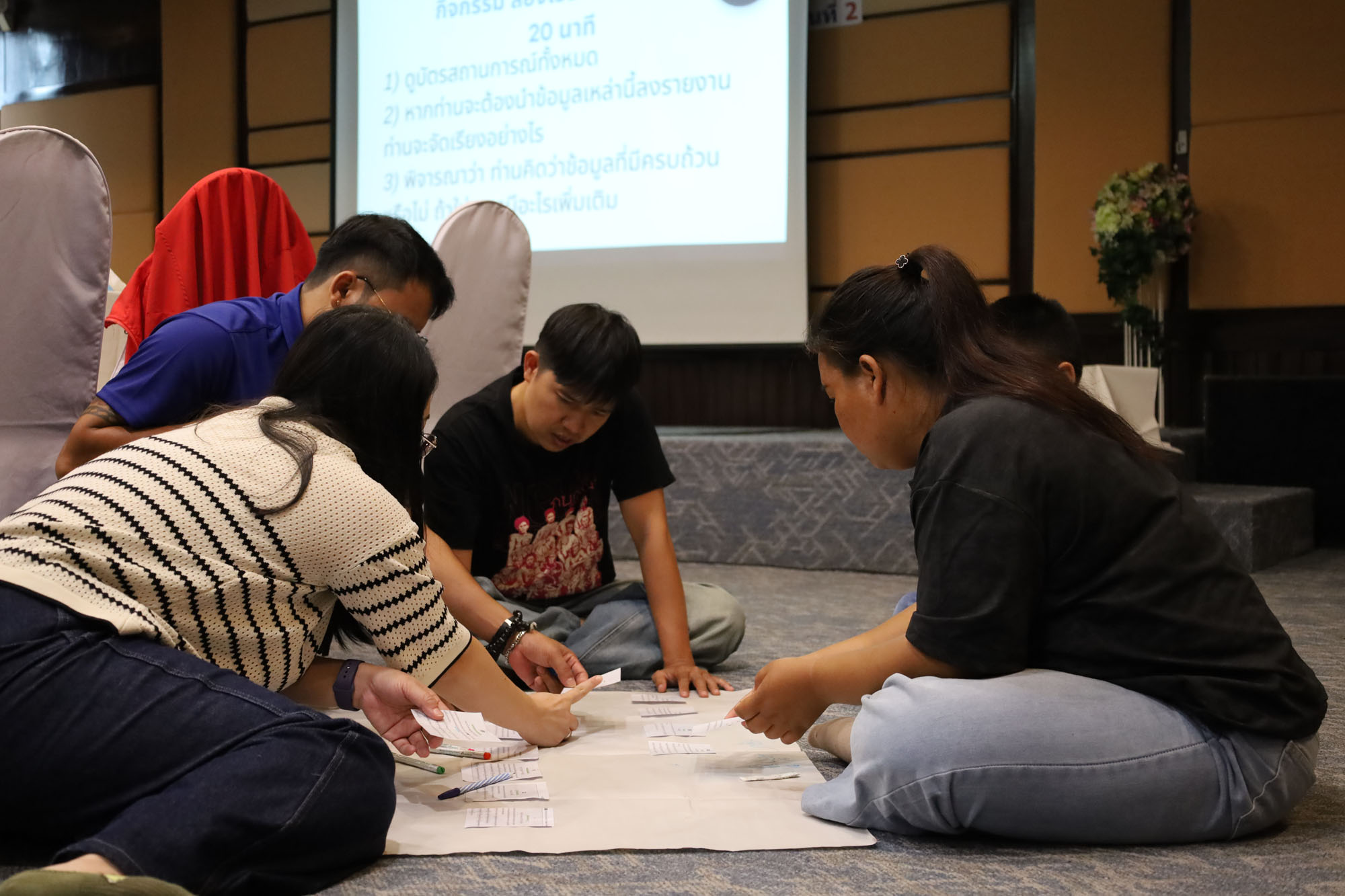
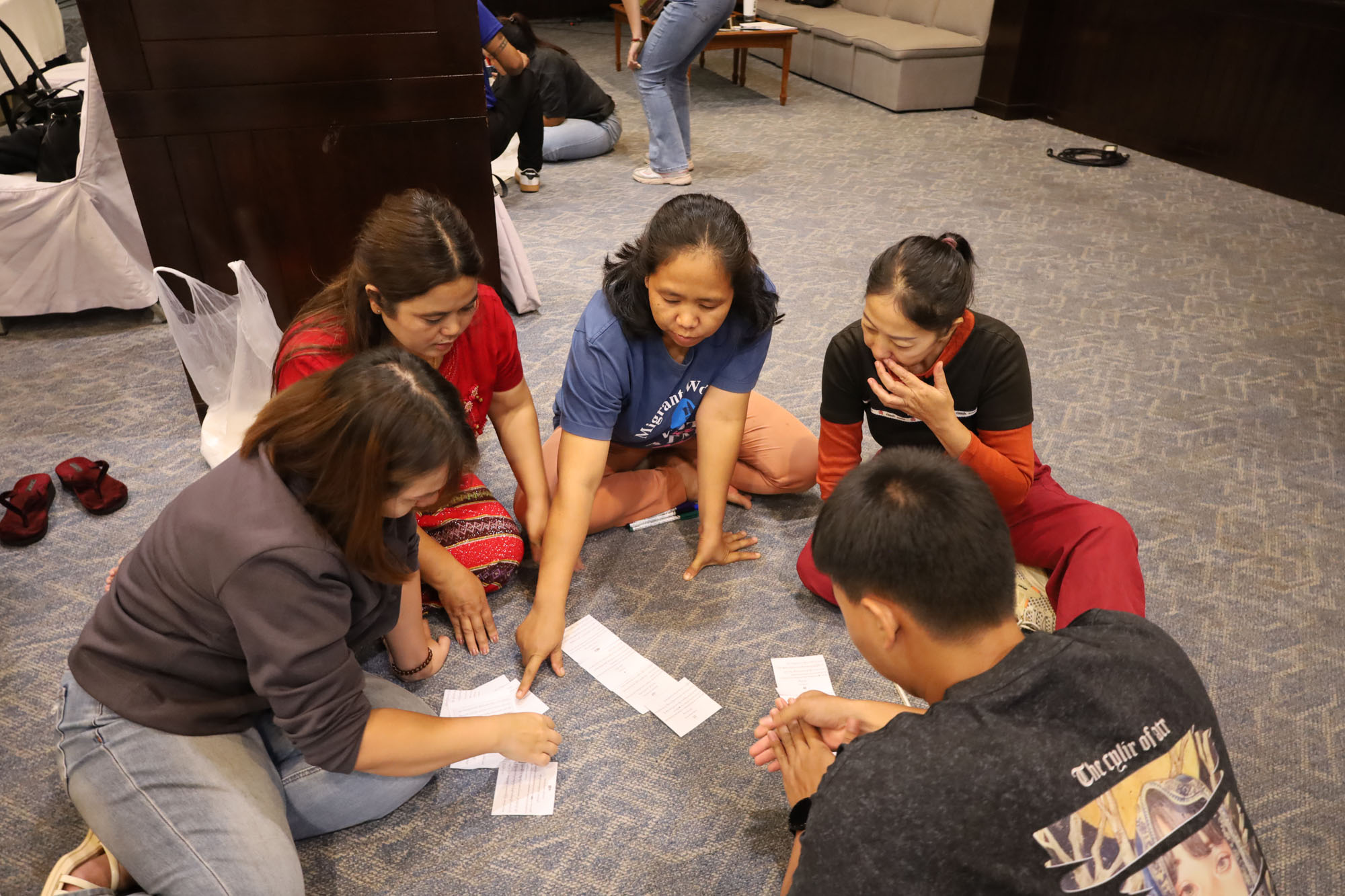
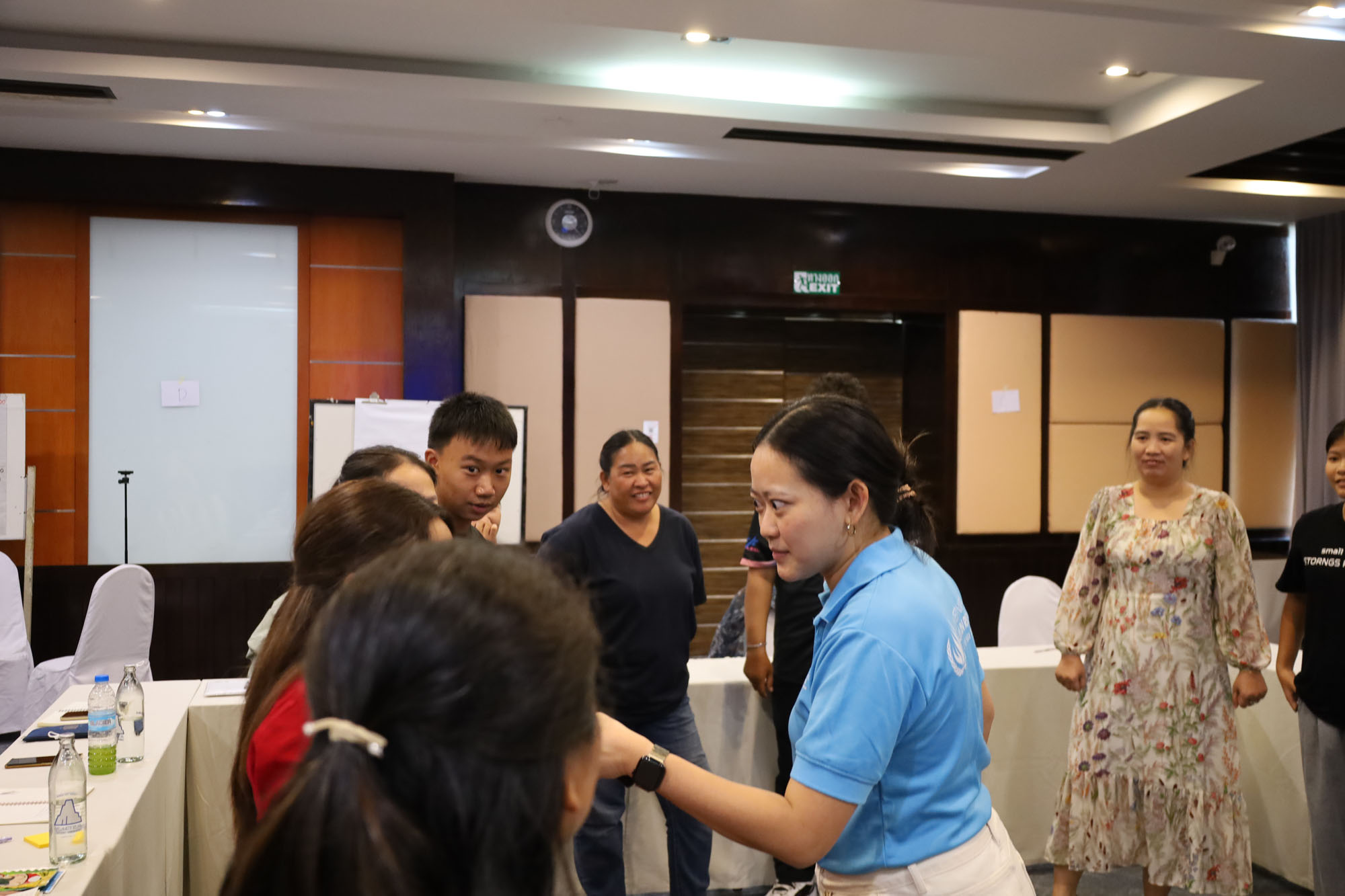
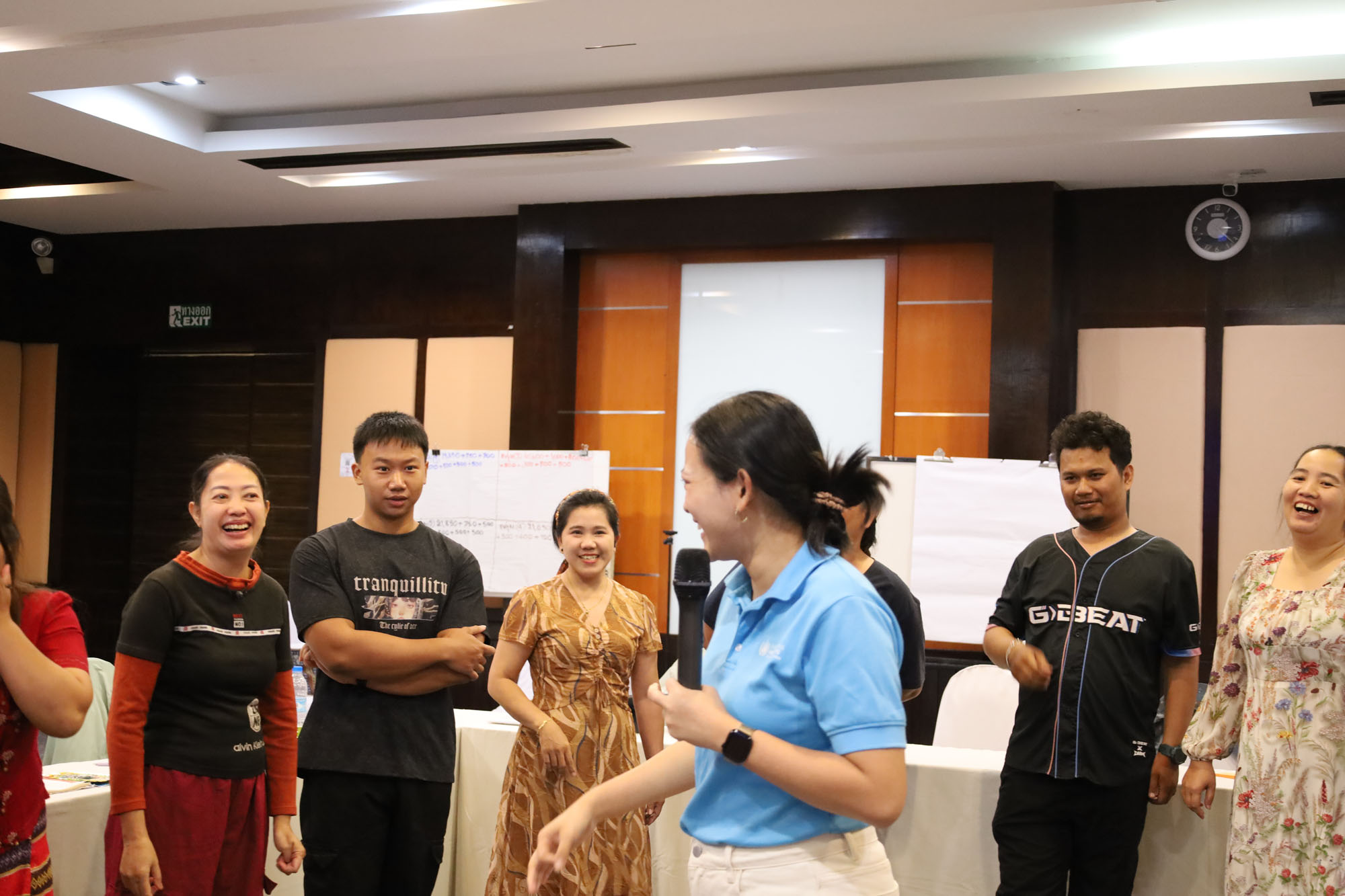
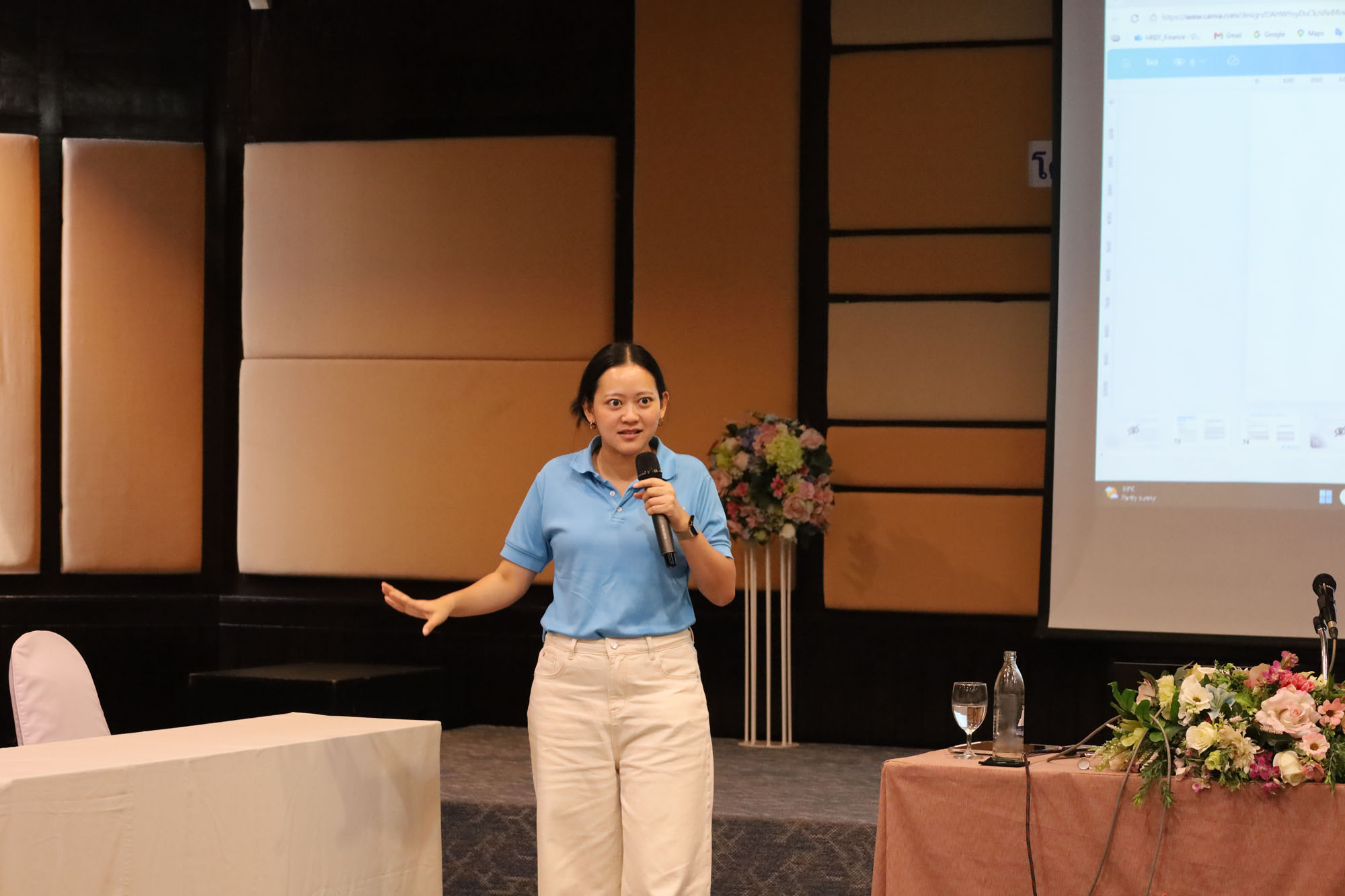
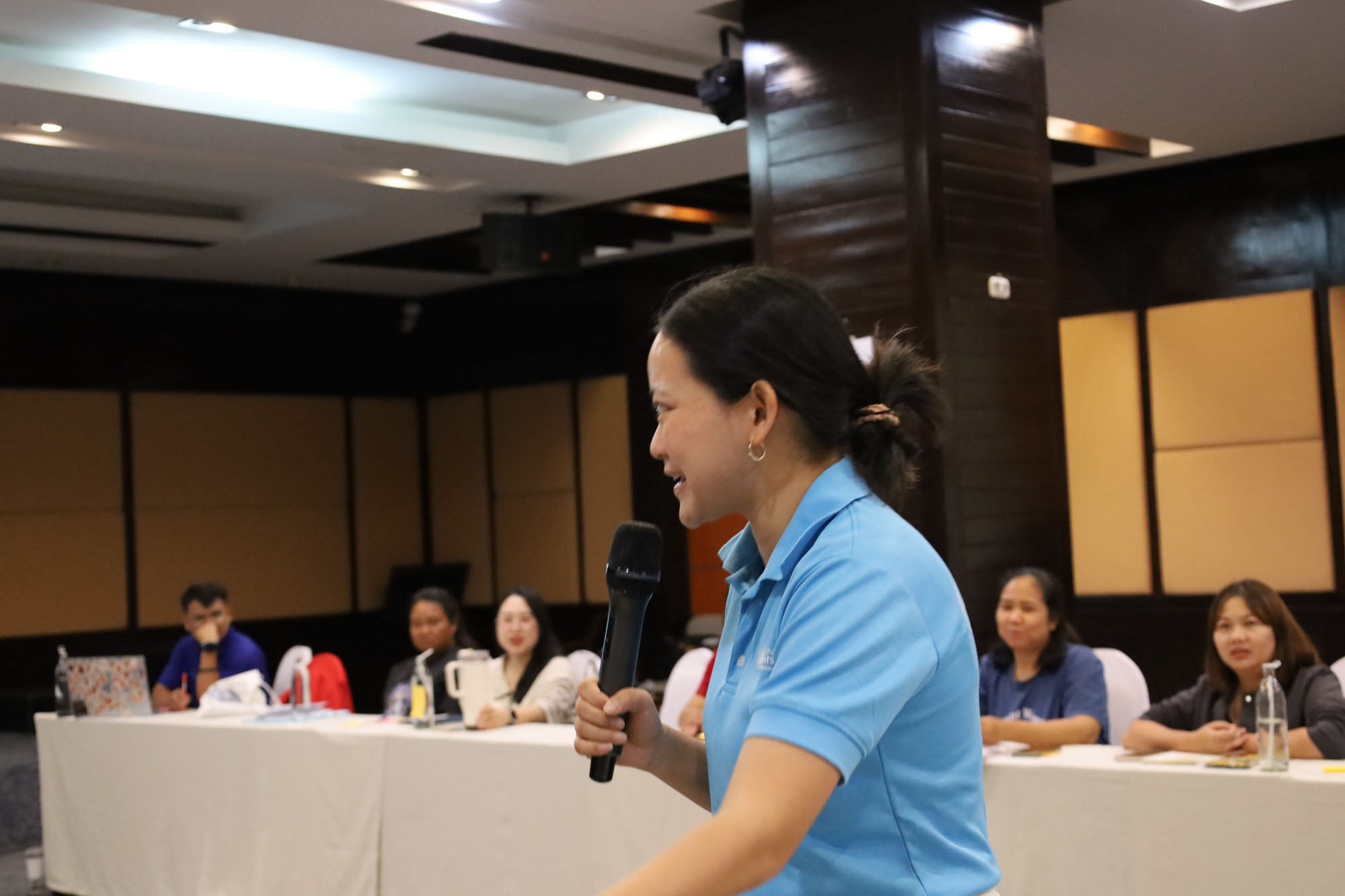
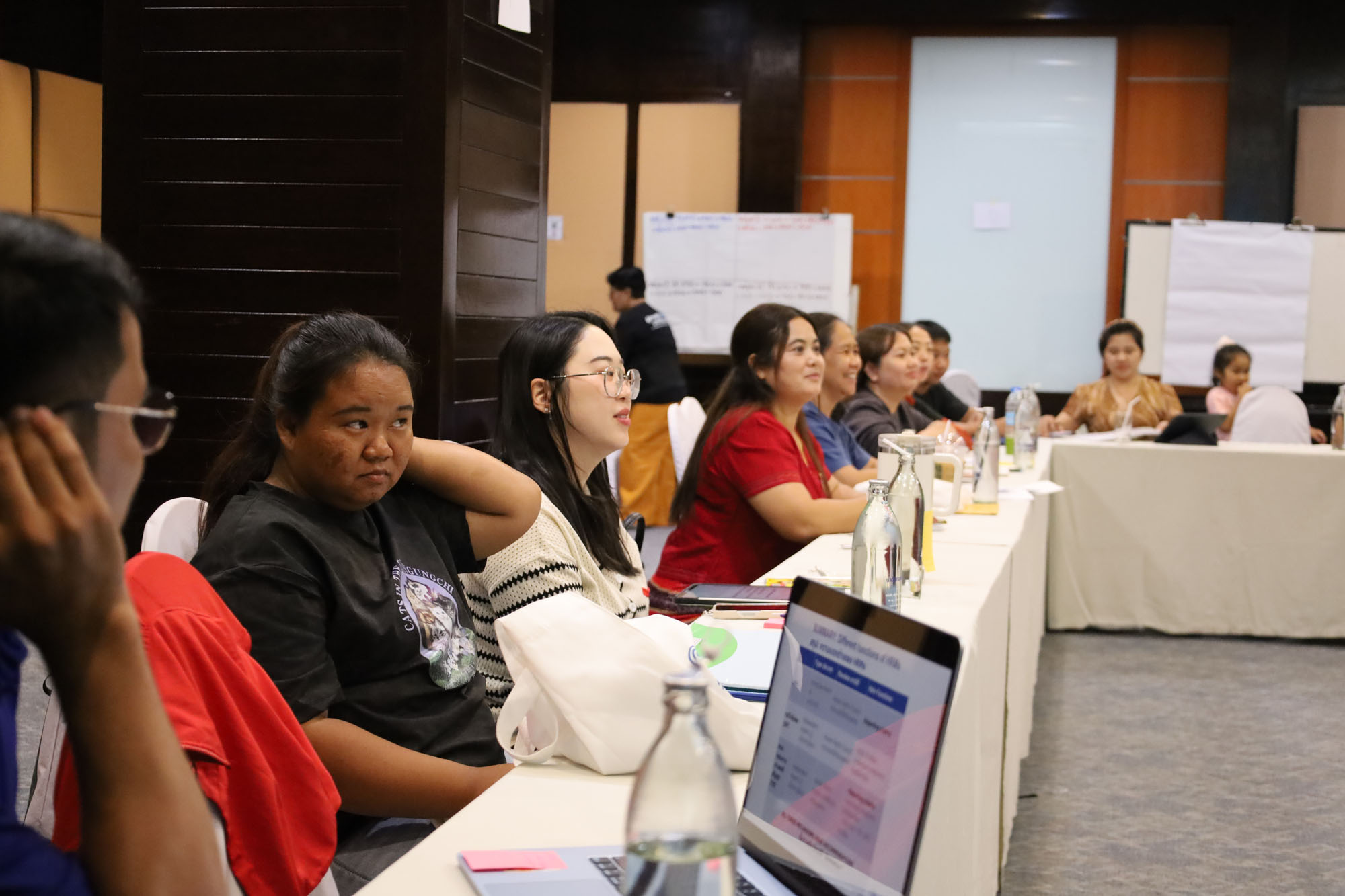
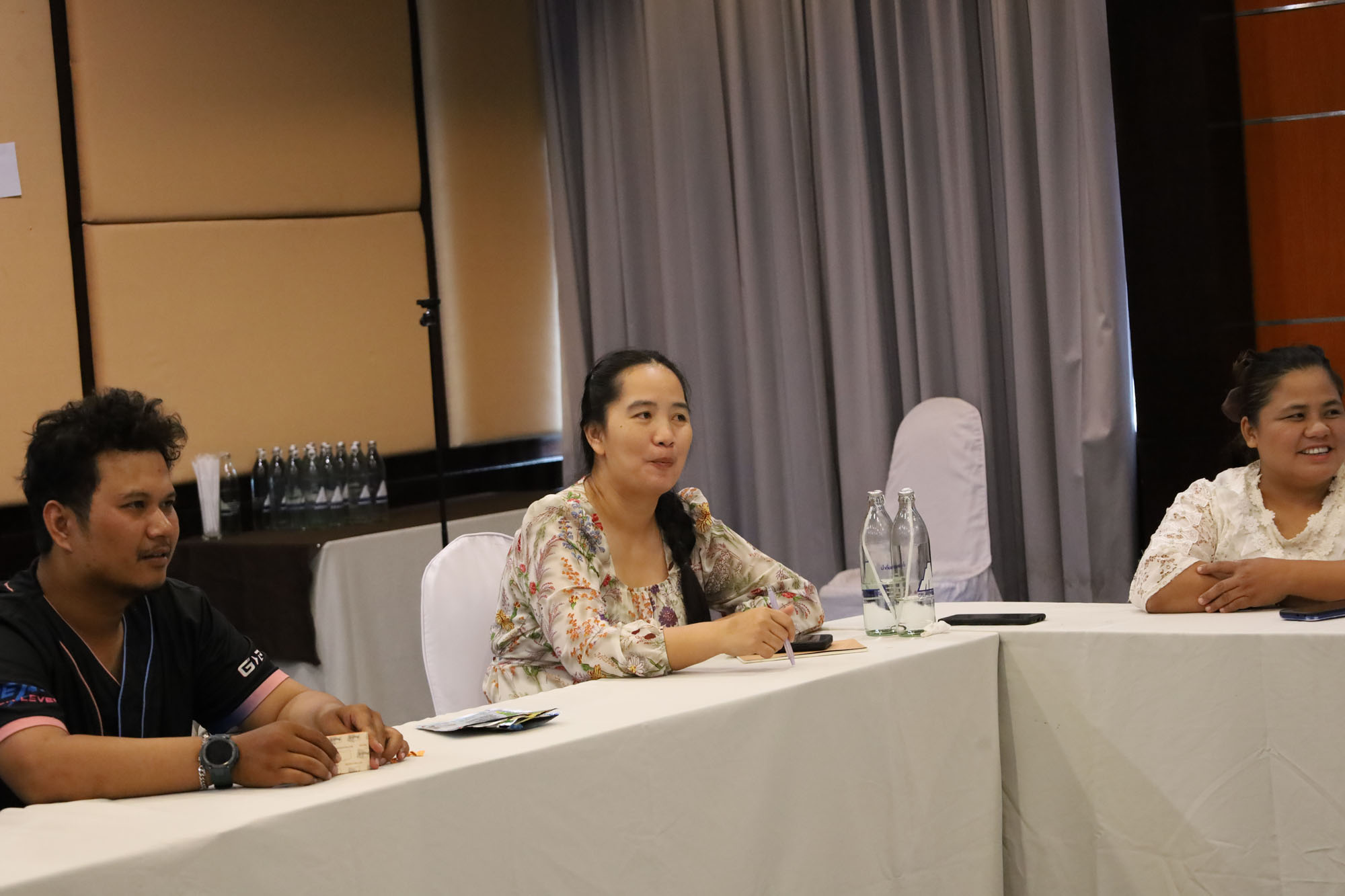
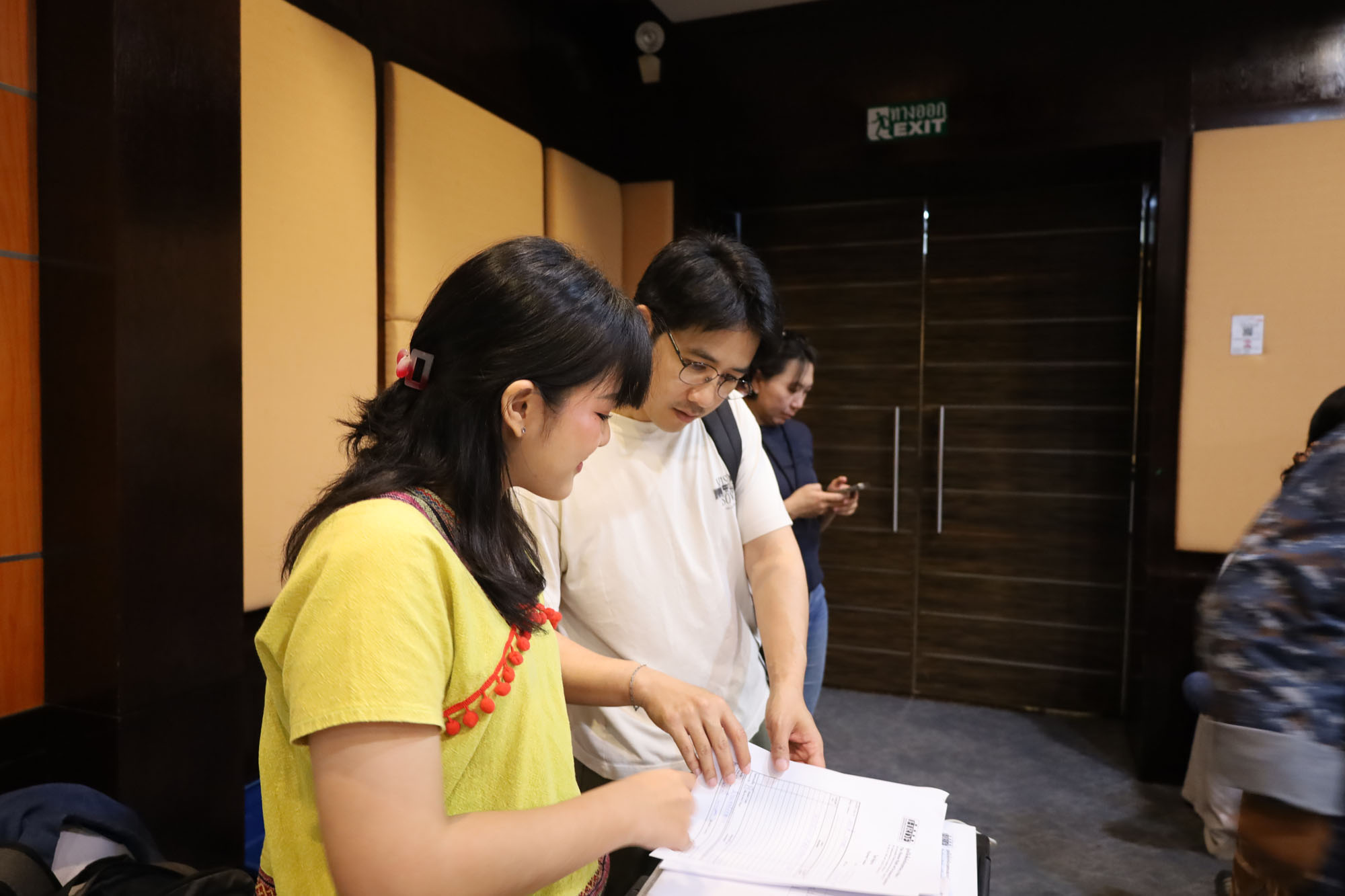
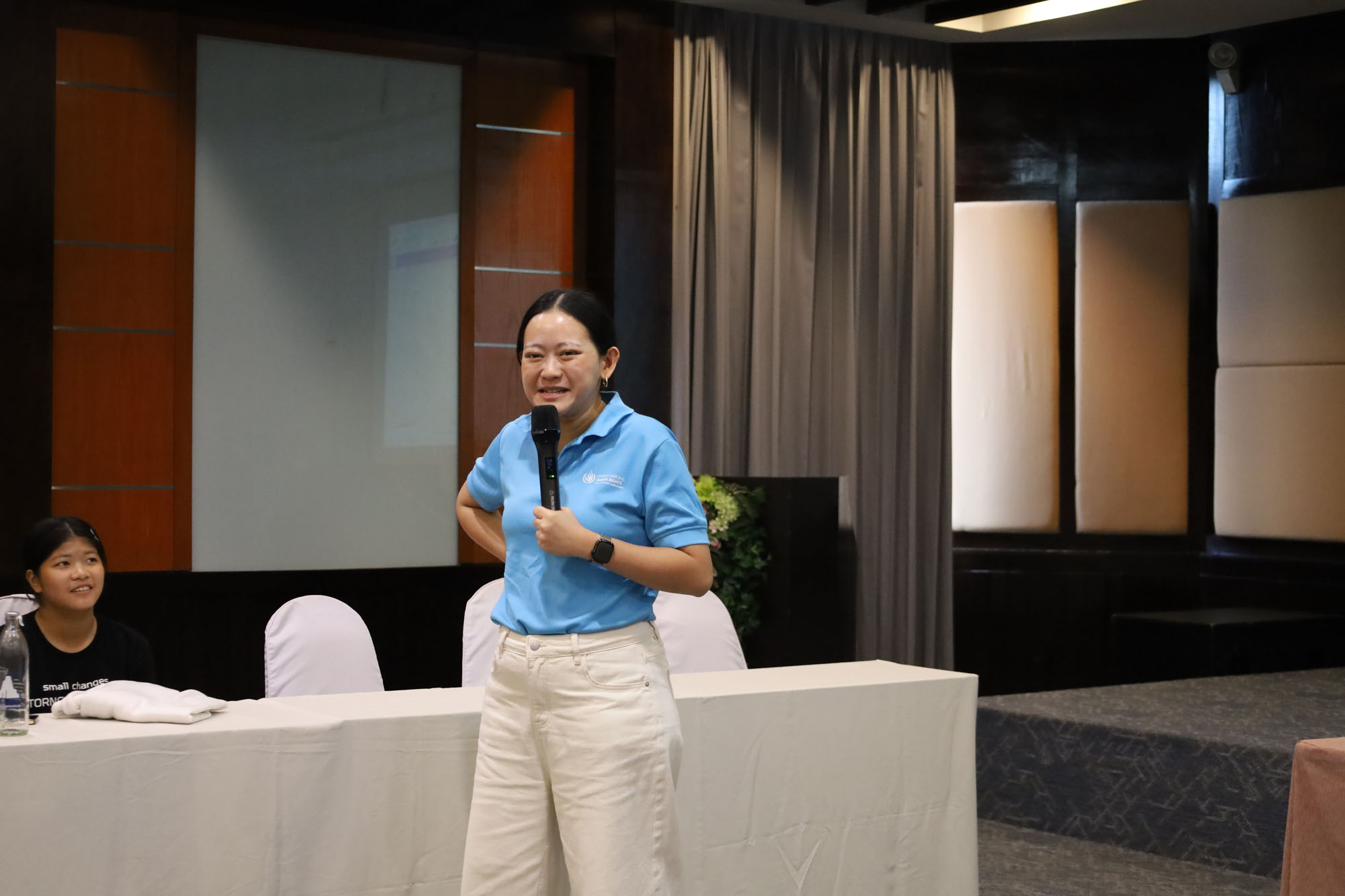
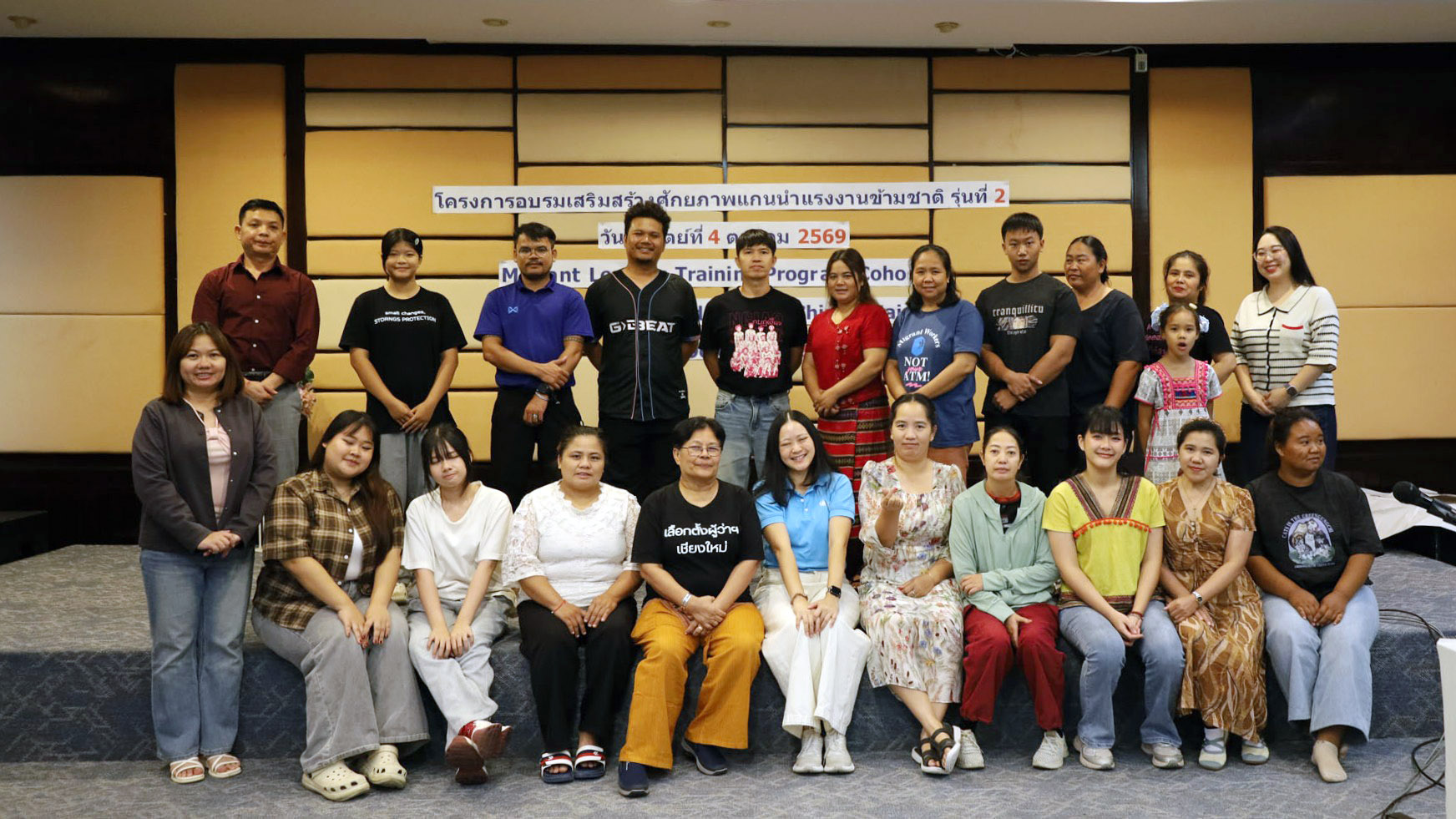
To this end, the Human Rights and Development Foundation (HRDF) held a training for migrant worker leaders in Chiang Mai on 4 October 2026, covering UN Human Rights Mechanisms and Factsheet development. Staff from the UN Office of the High Commissioner for Human Rights (OHCHR) joined as resource persons.
Understanding International Human Rights Mechanisms
Participants learned how UN human rights mechanisms work, and how issues on the ground can be presented, monitored, and linked to international bodies. This gives worker leaders more channels for raising and referring rights issues, particularly where field information is needed to reflect real conditions.
From Stories to Fact-Based Factsheets
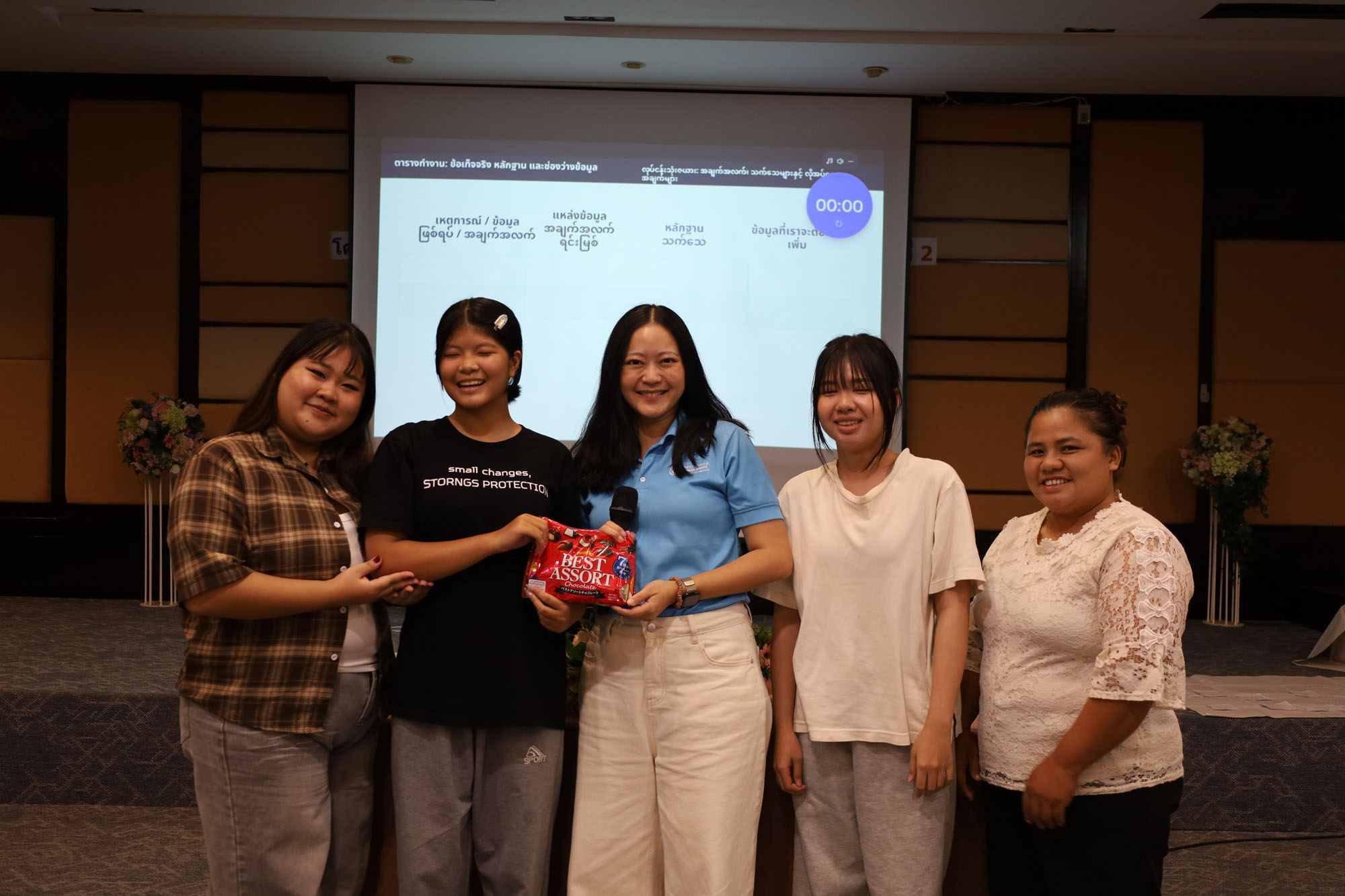
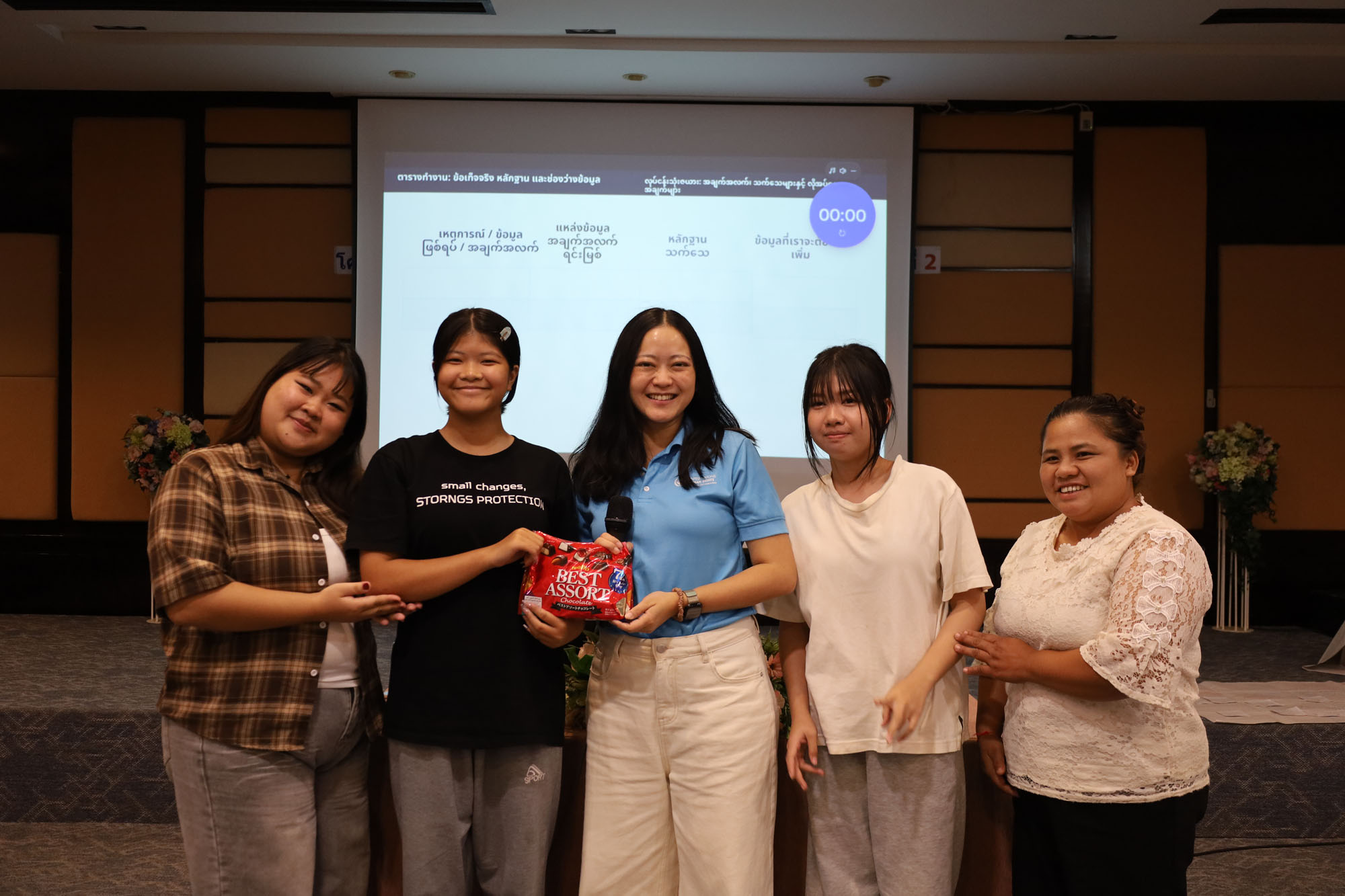
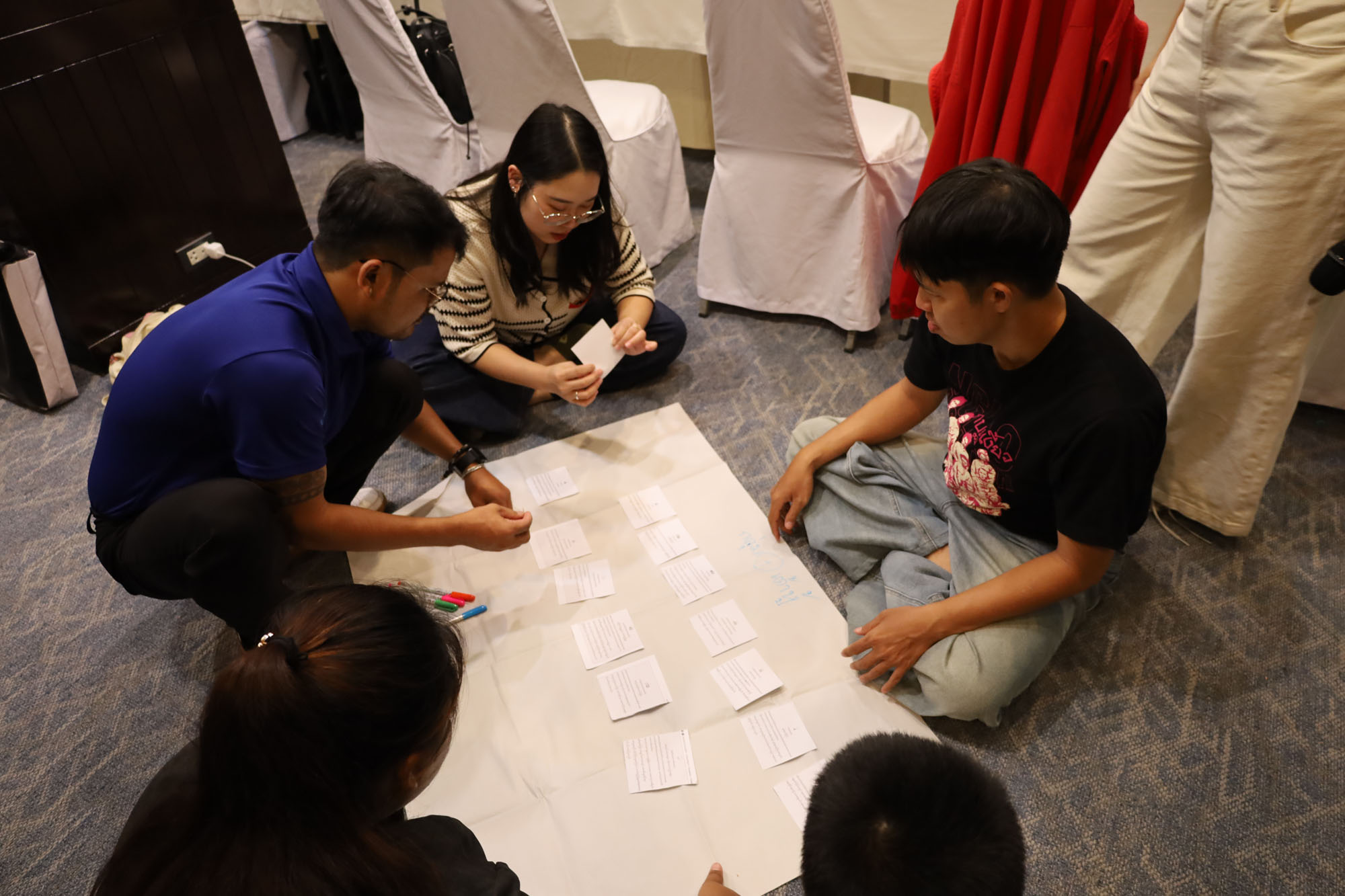
A second key skill was factsheet development, which organizes information about each case systematically. Participants practiced recording facts, setting out events chronologically, identifying key issues, and summarizing concisely, so the information can be used for communication, case follow-up, and coordination with agencies.
Saying “a rights violation occurred” is not enough. One must be able to answer: What happened? When? Who was affected? What evidence exists? Where should the matter be referred?