This post is also available in:
 ไทย
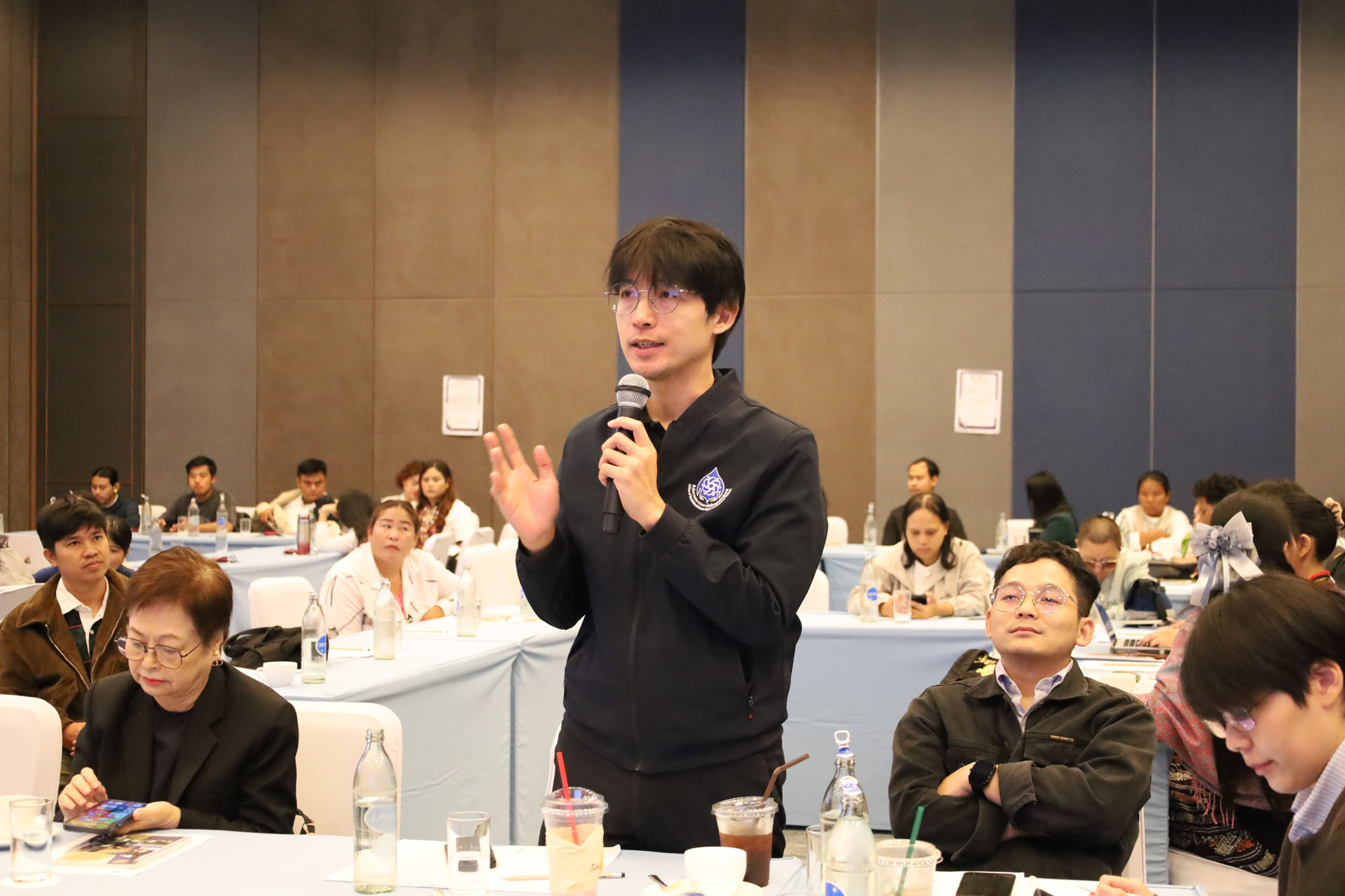
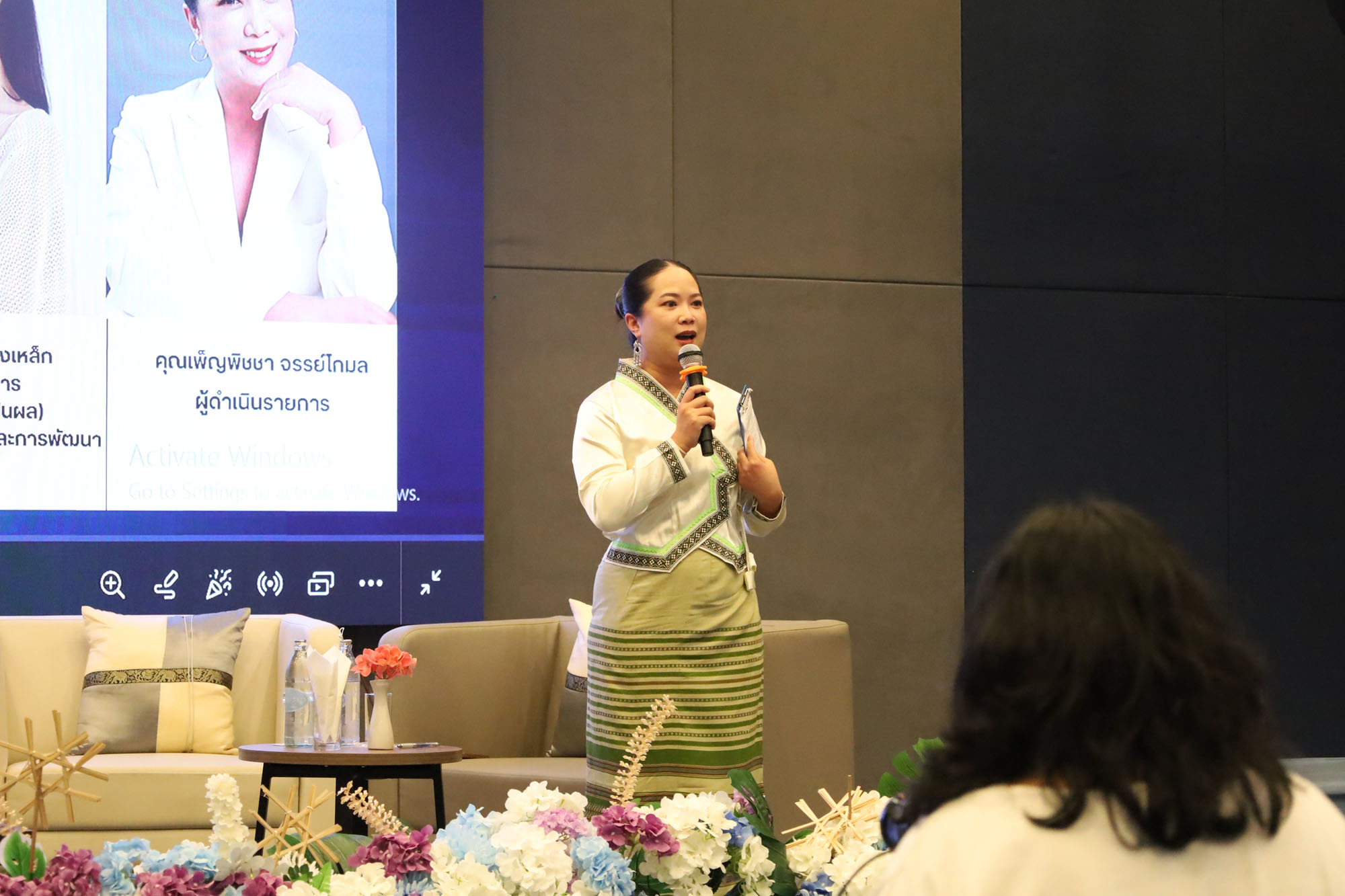
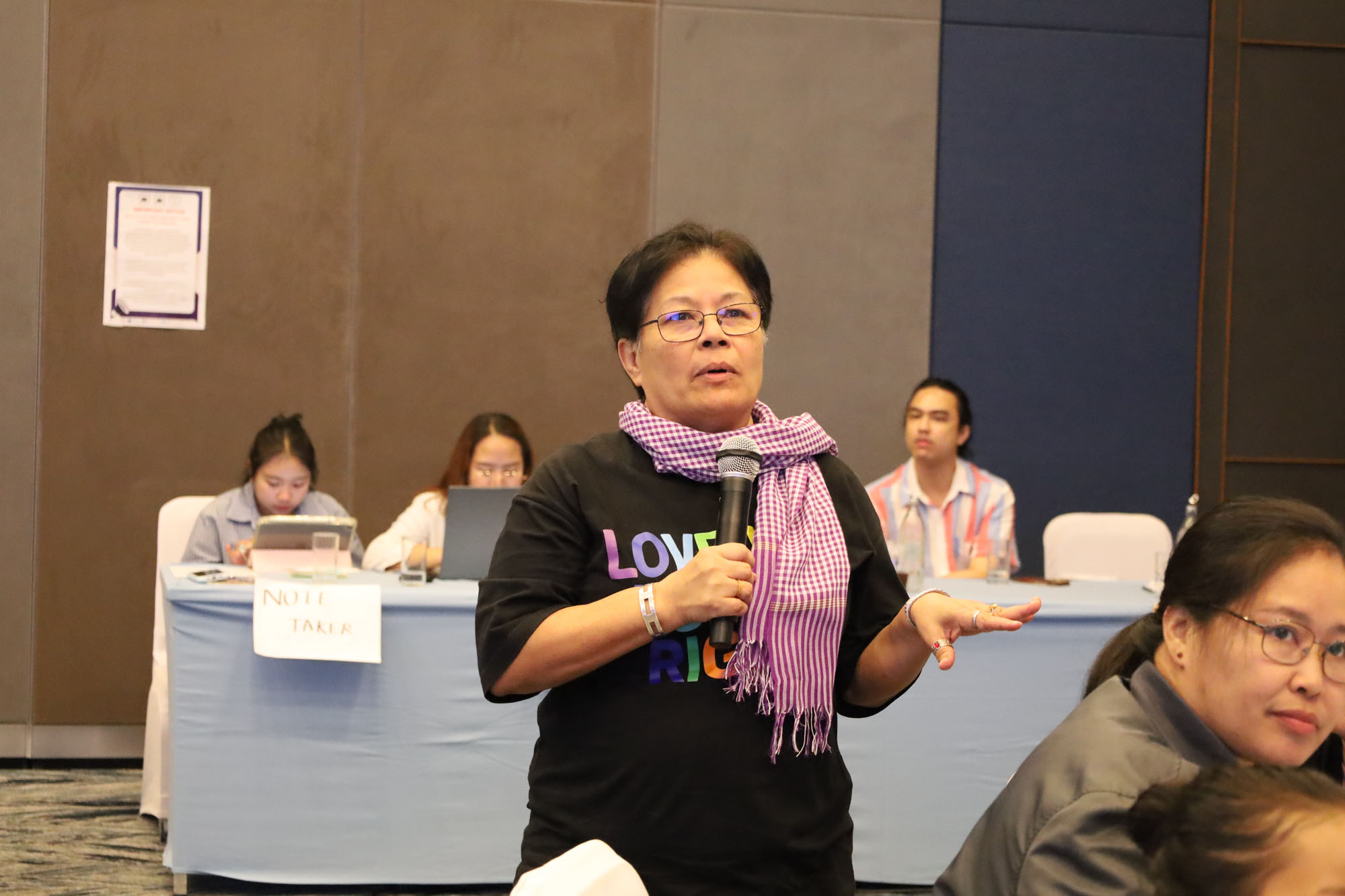
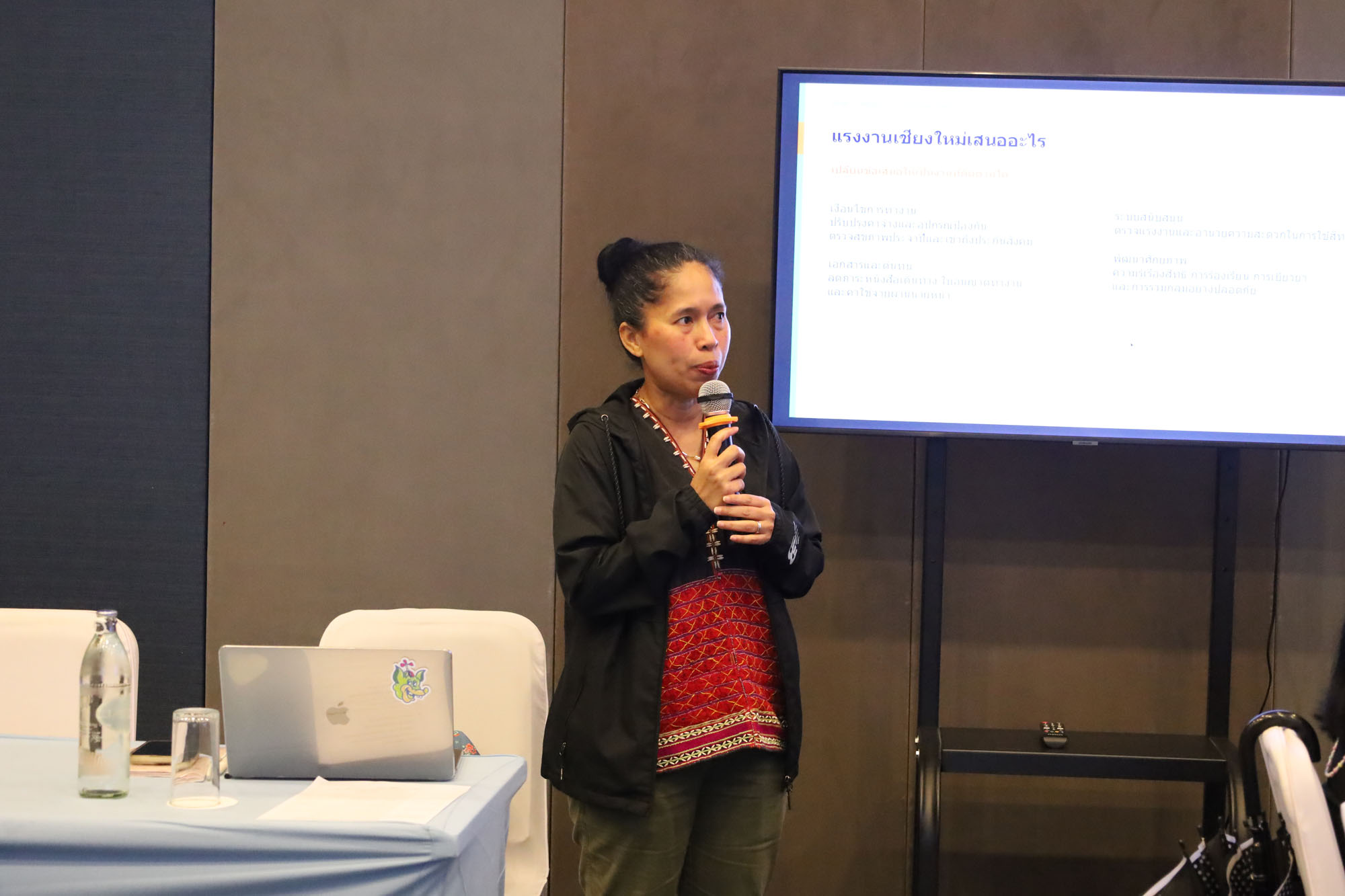
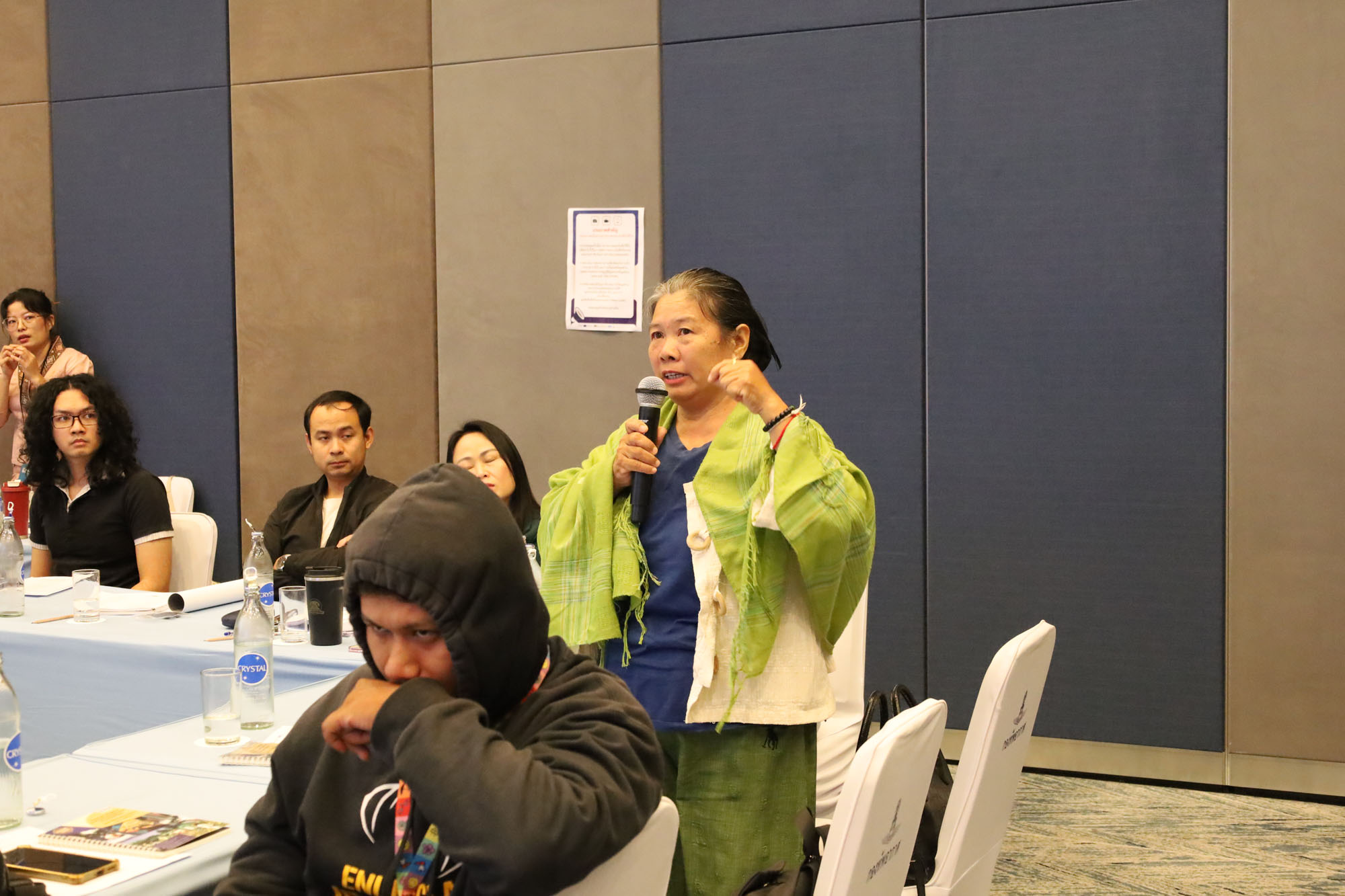
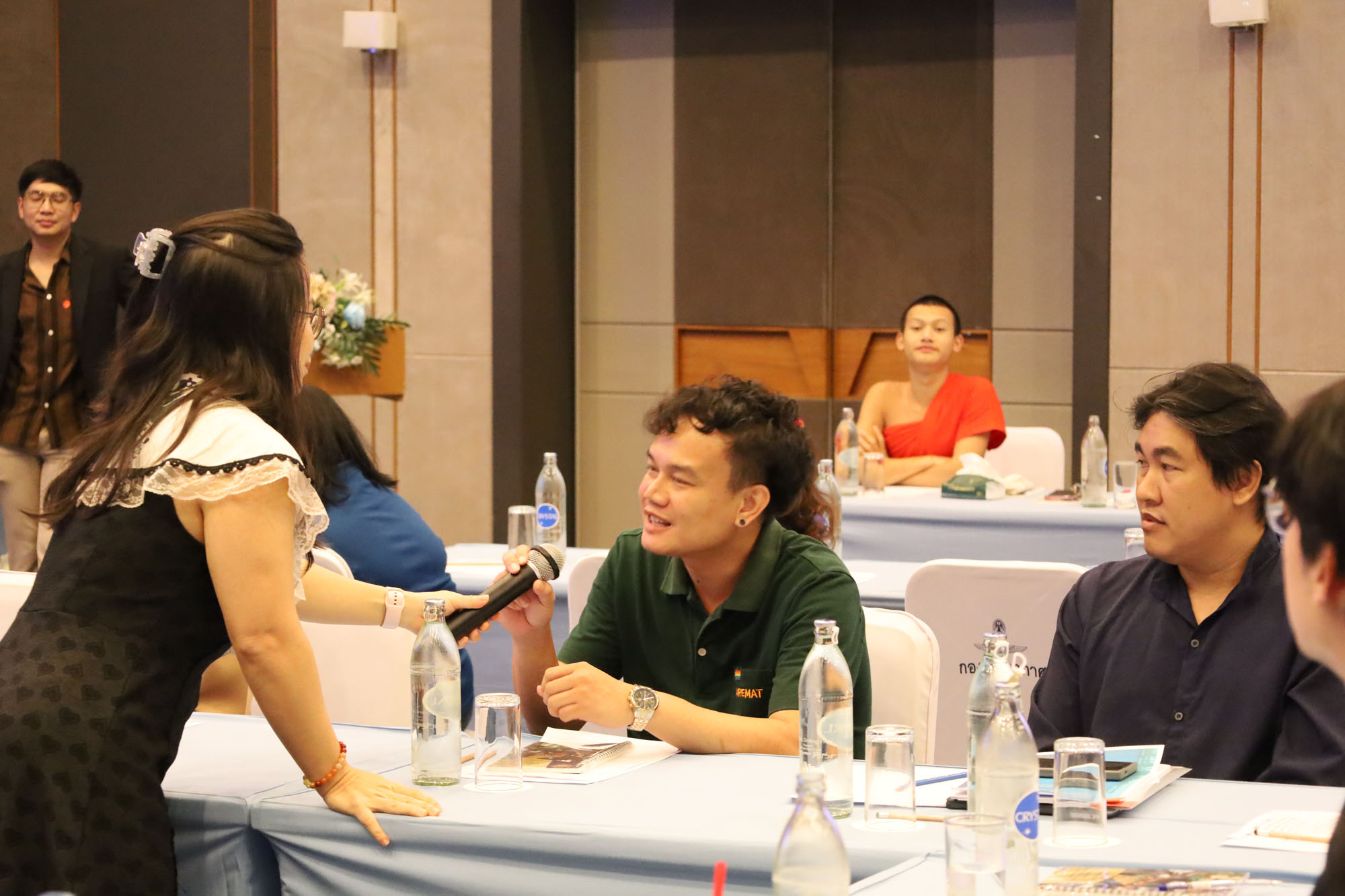
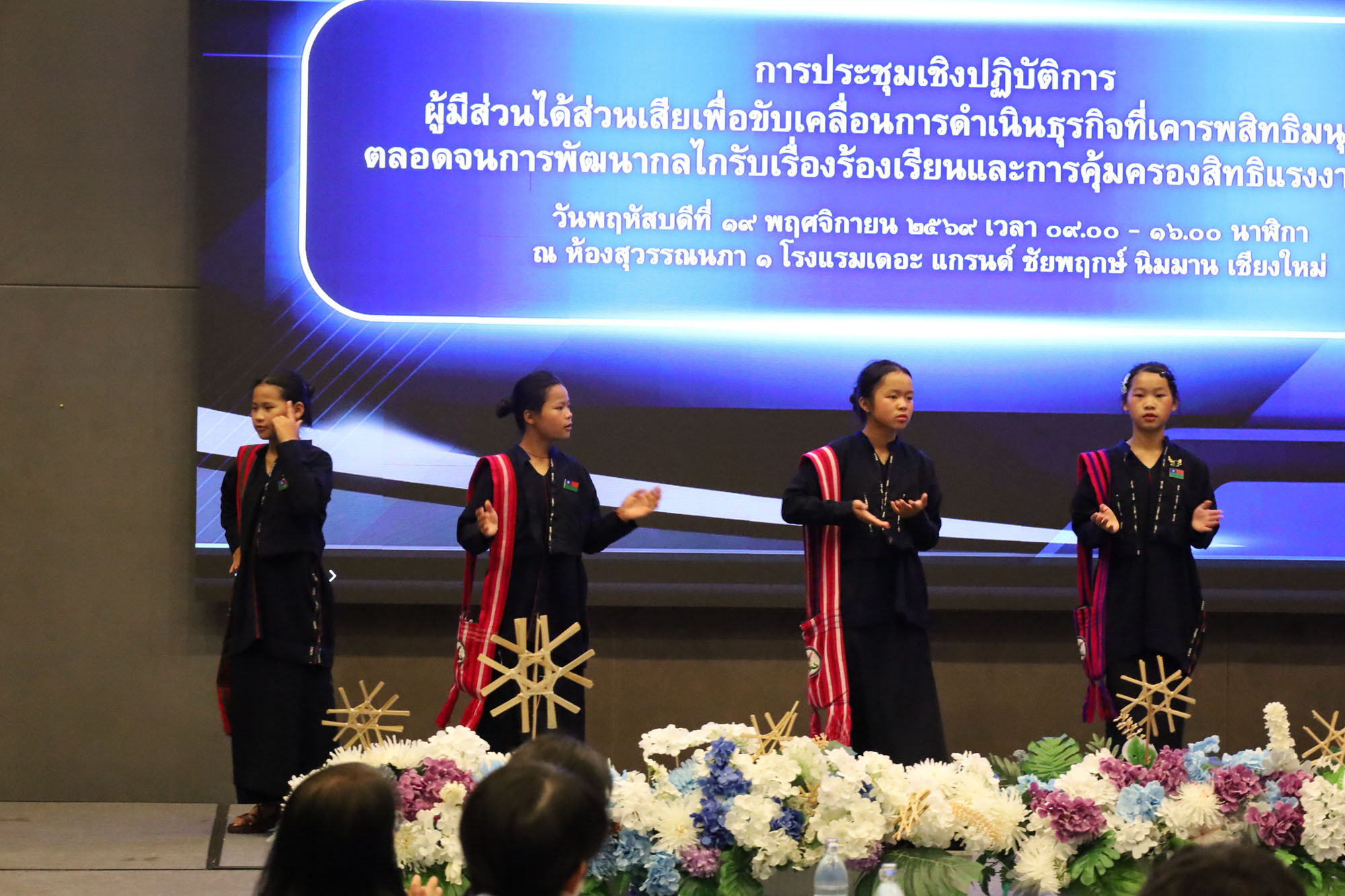
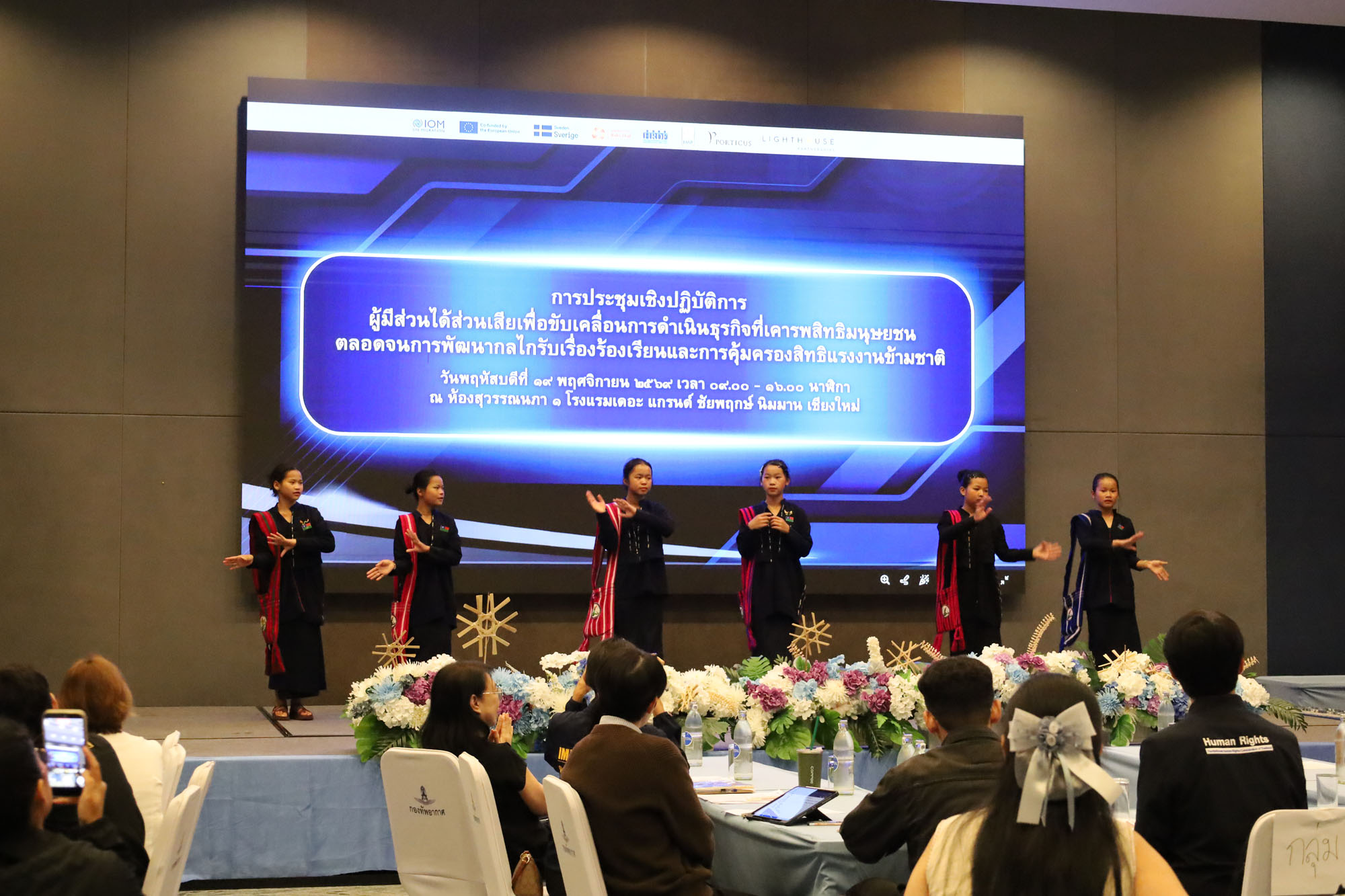
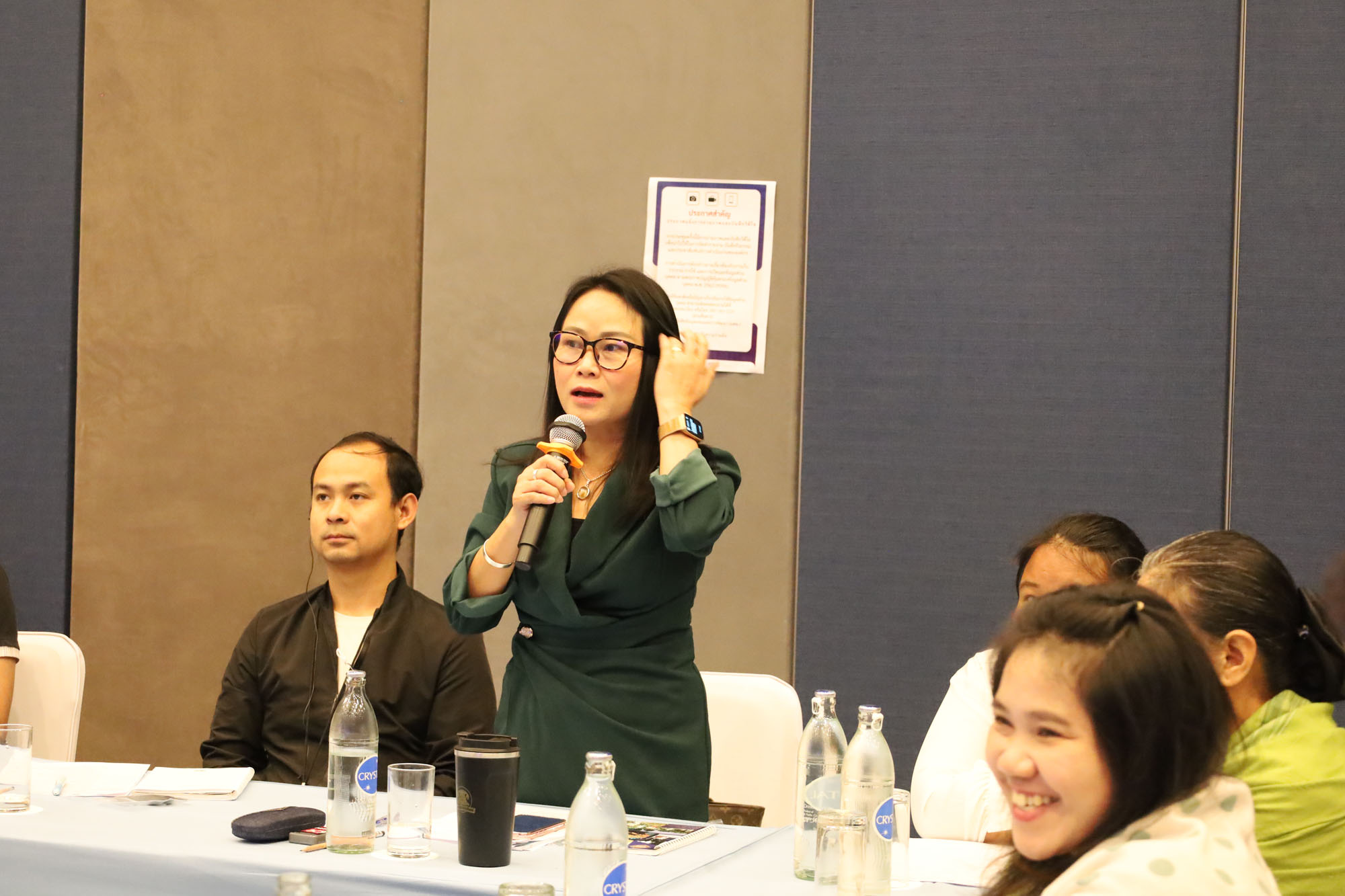
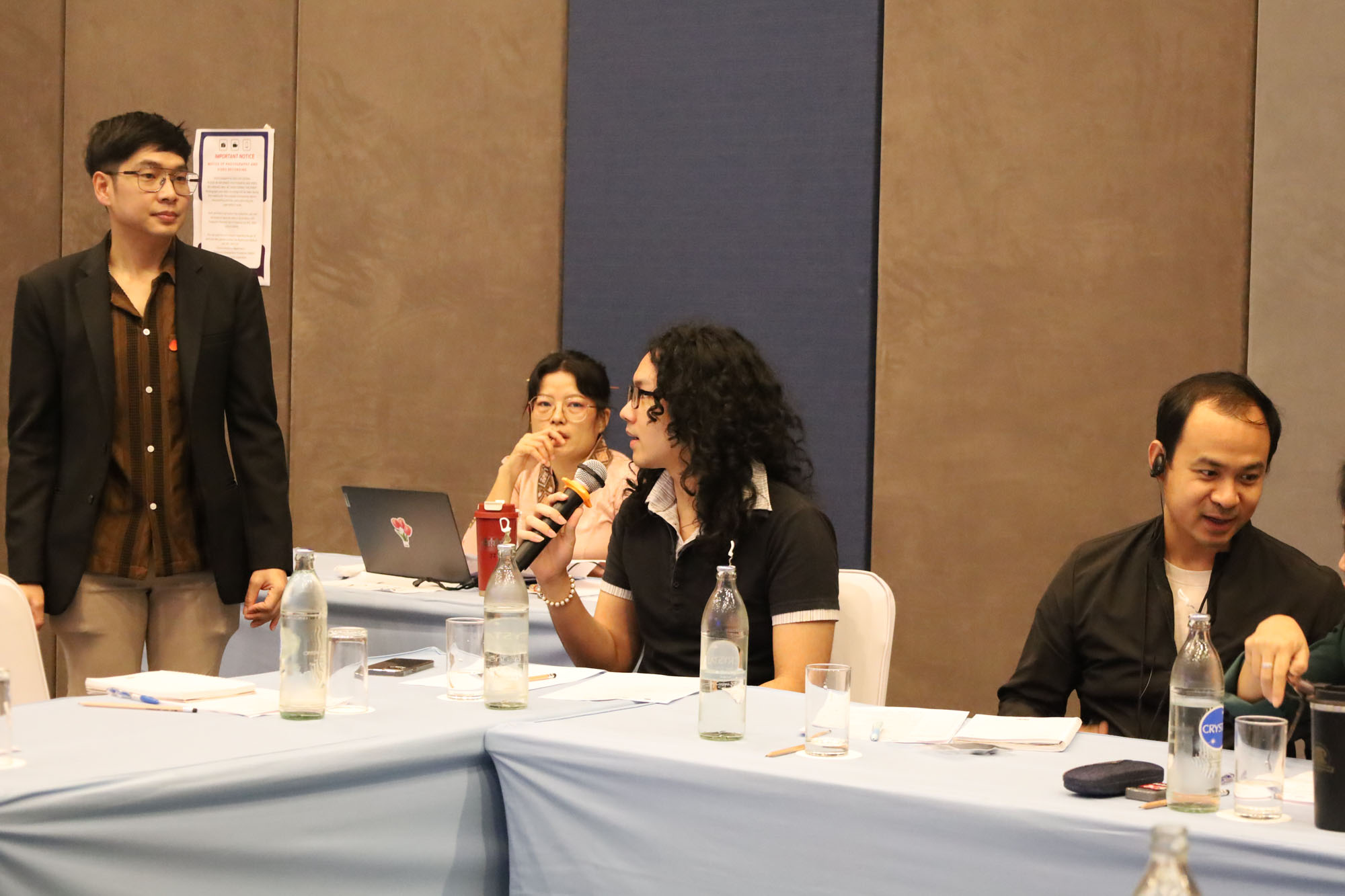
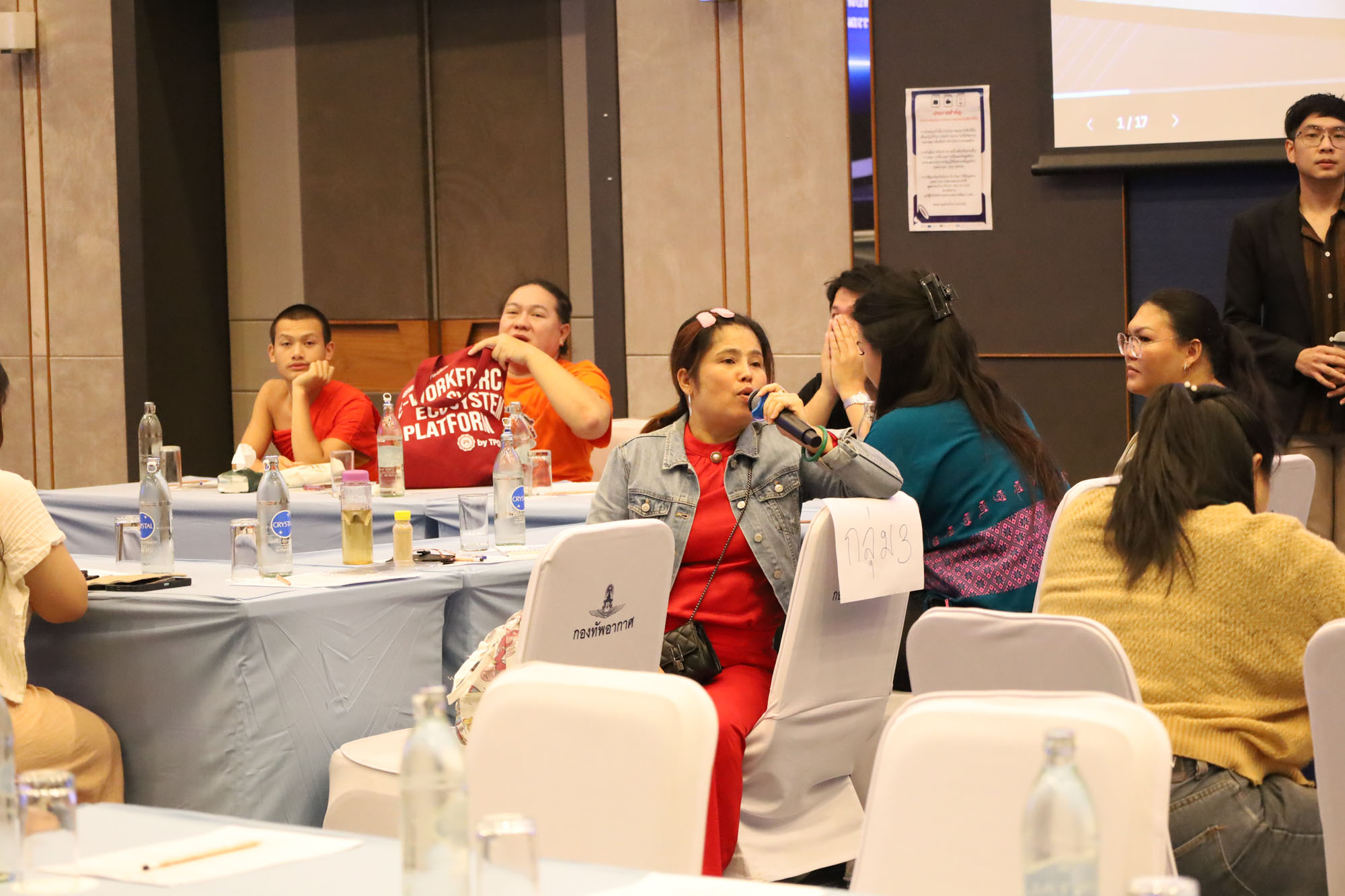
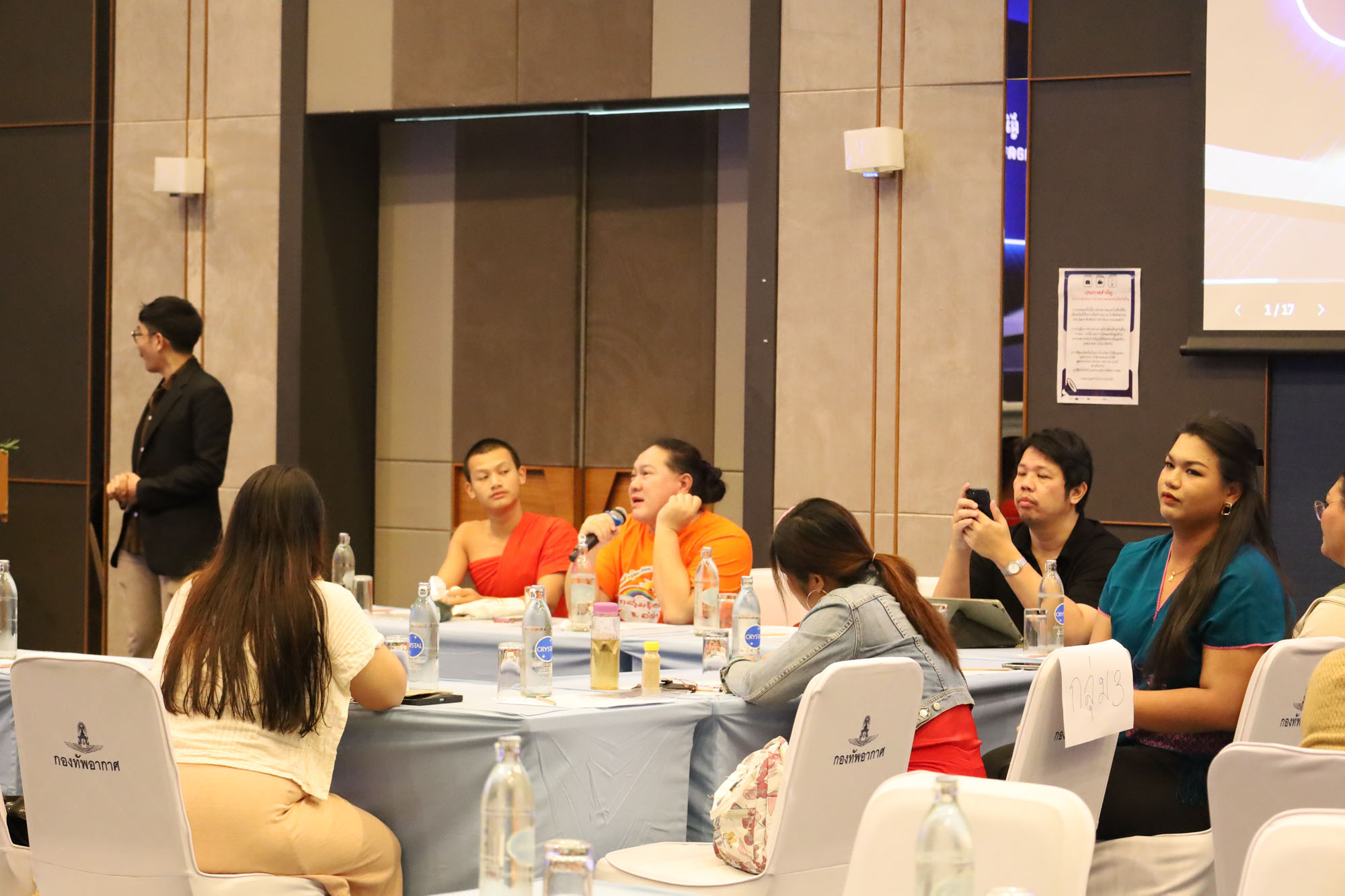
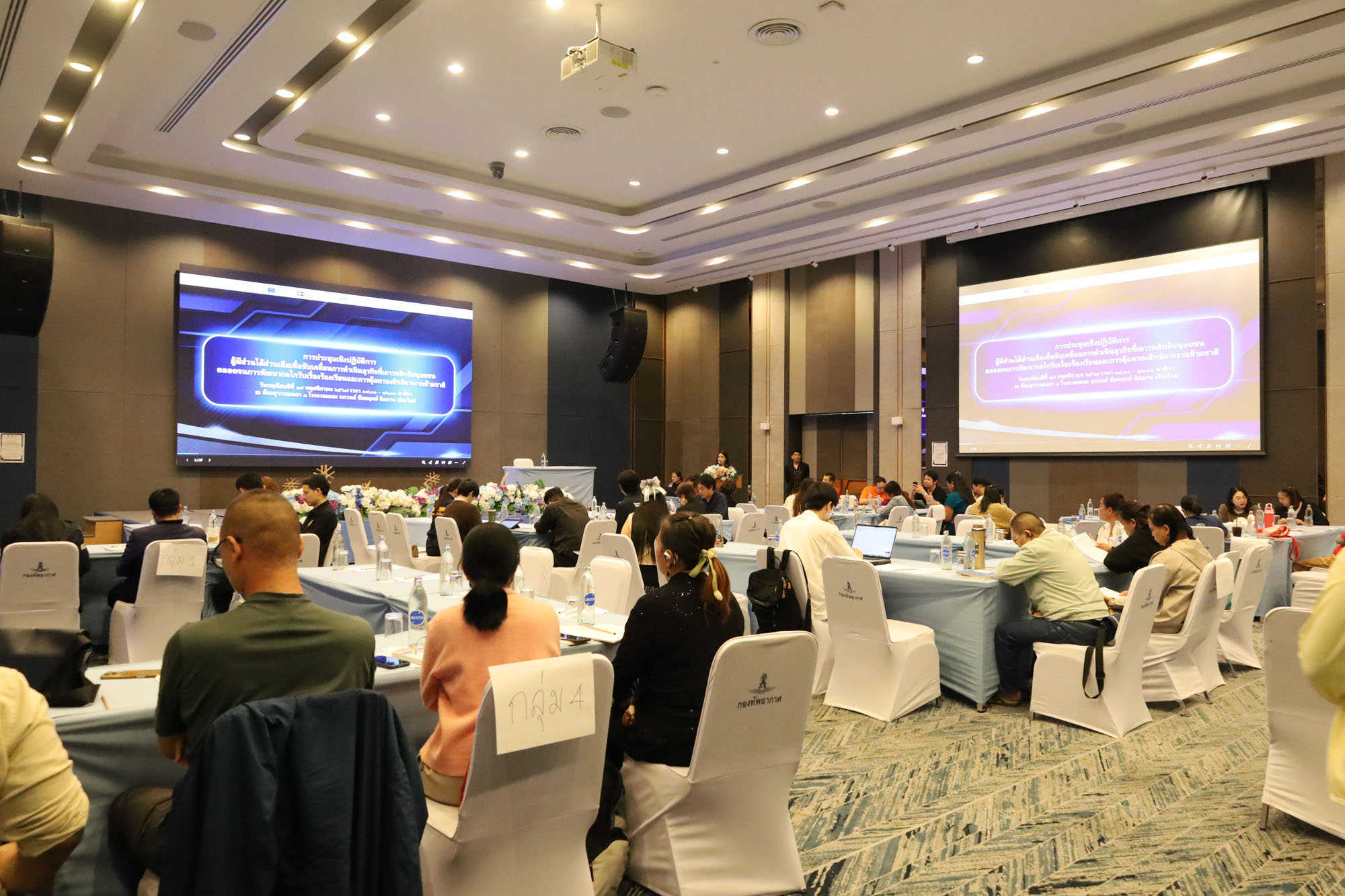
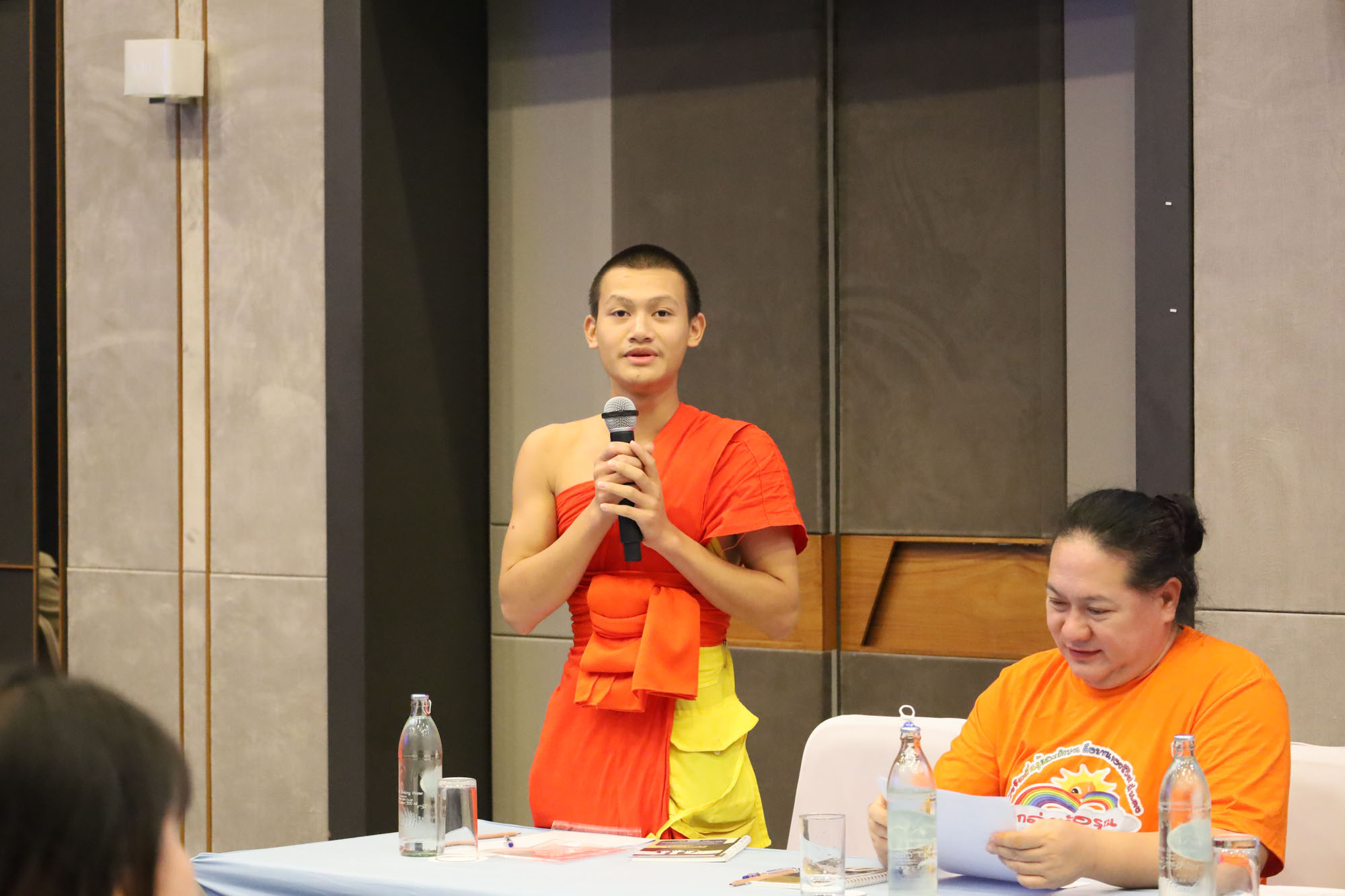
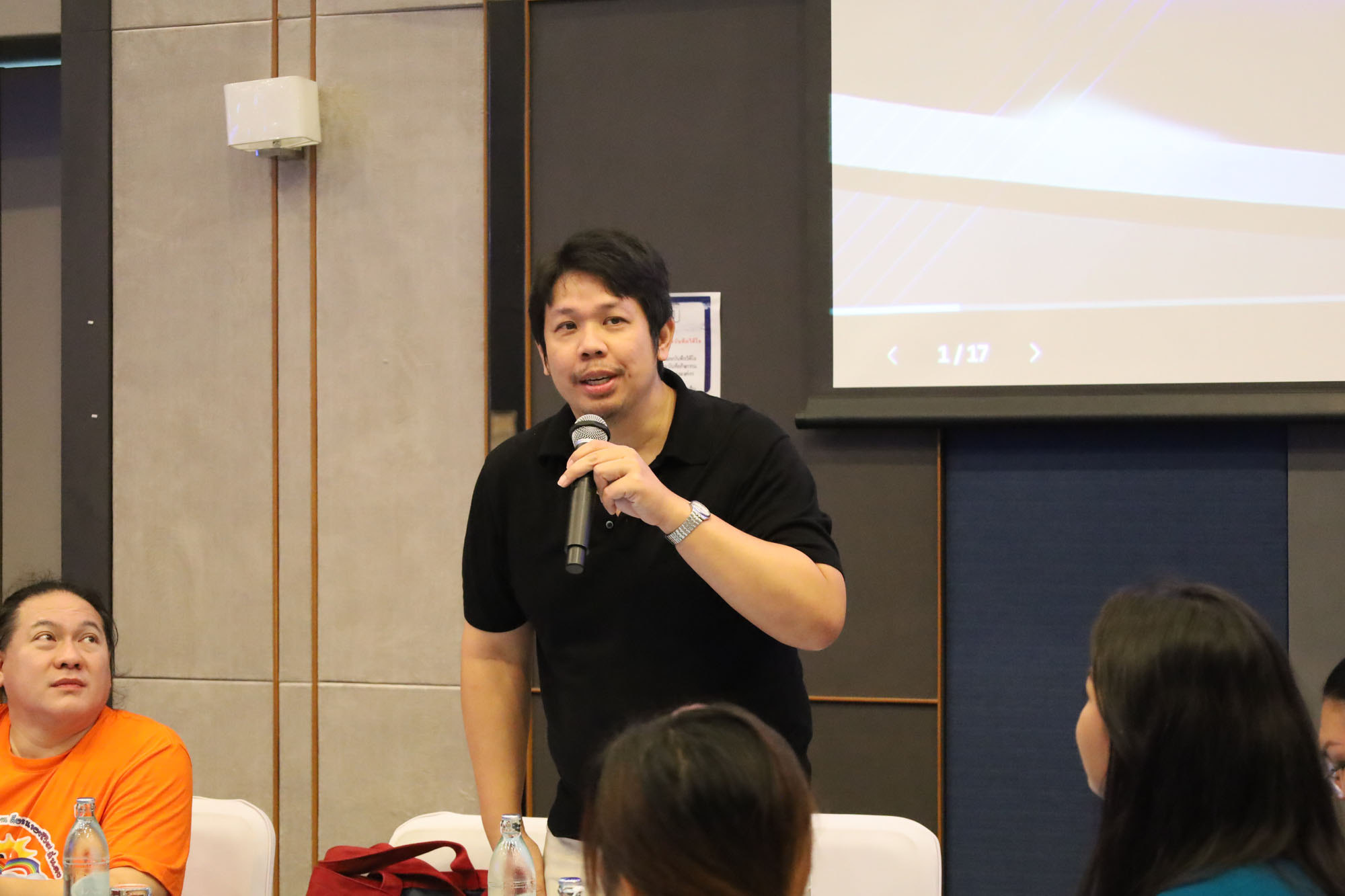
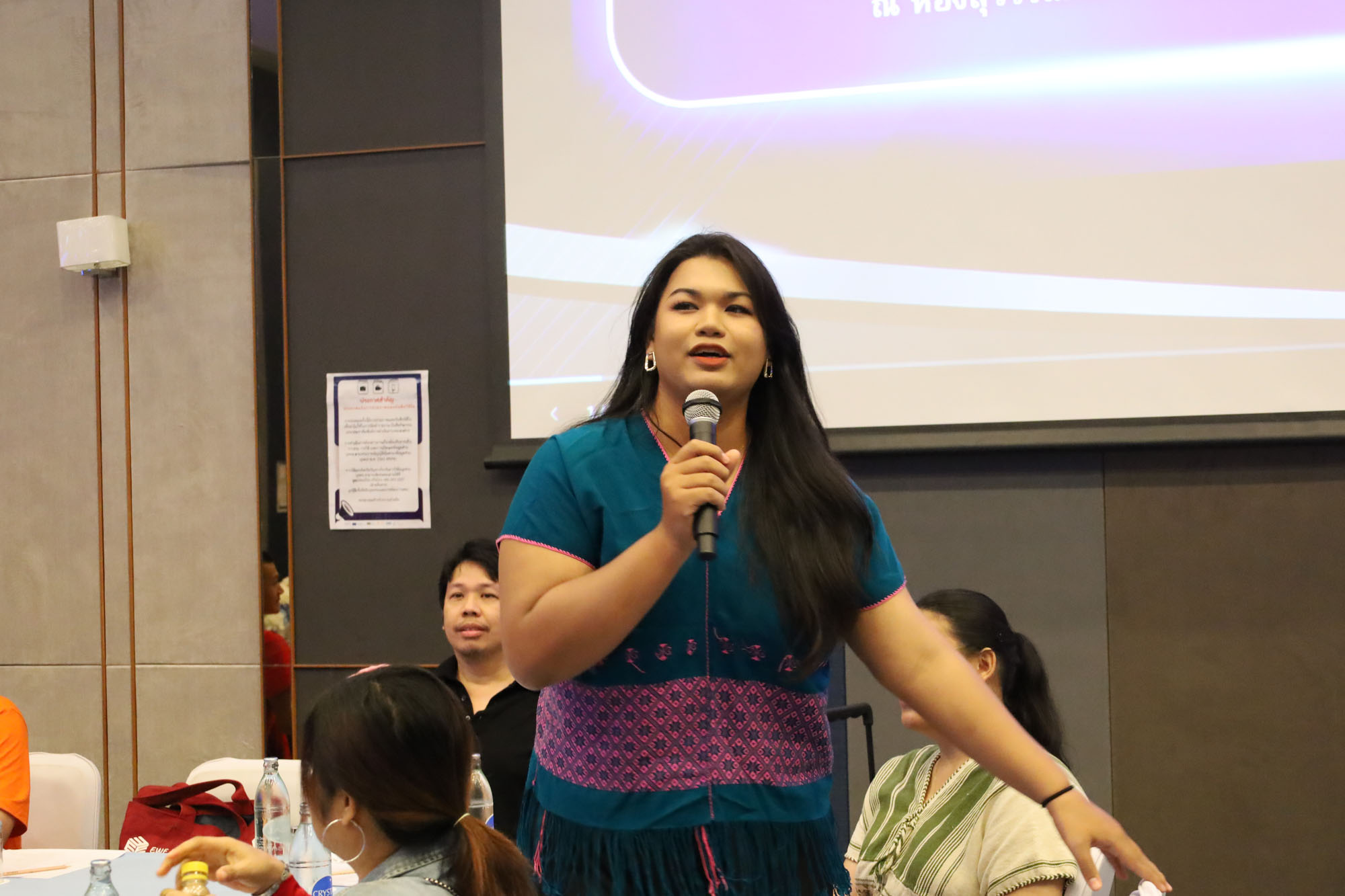
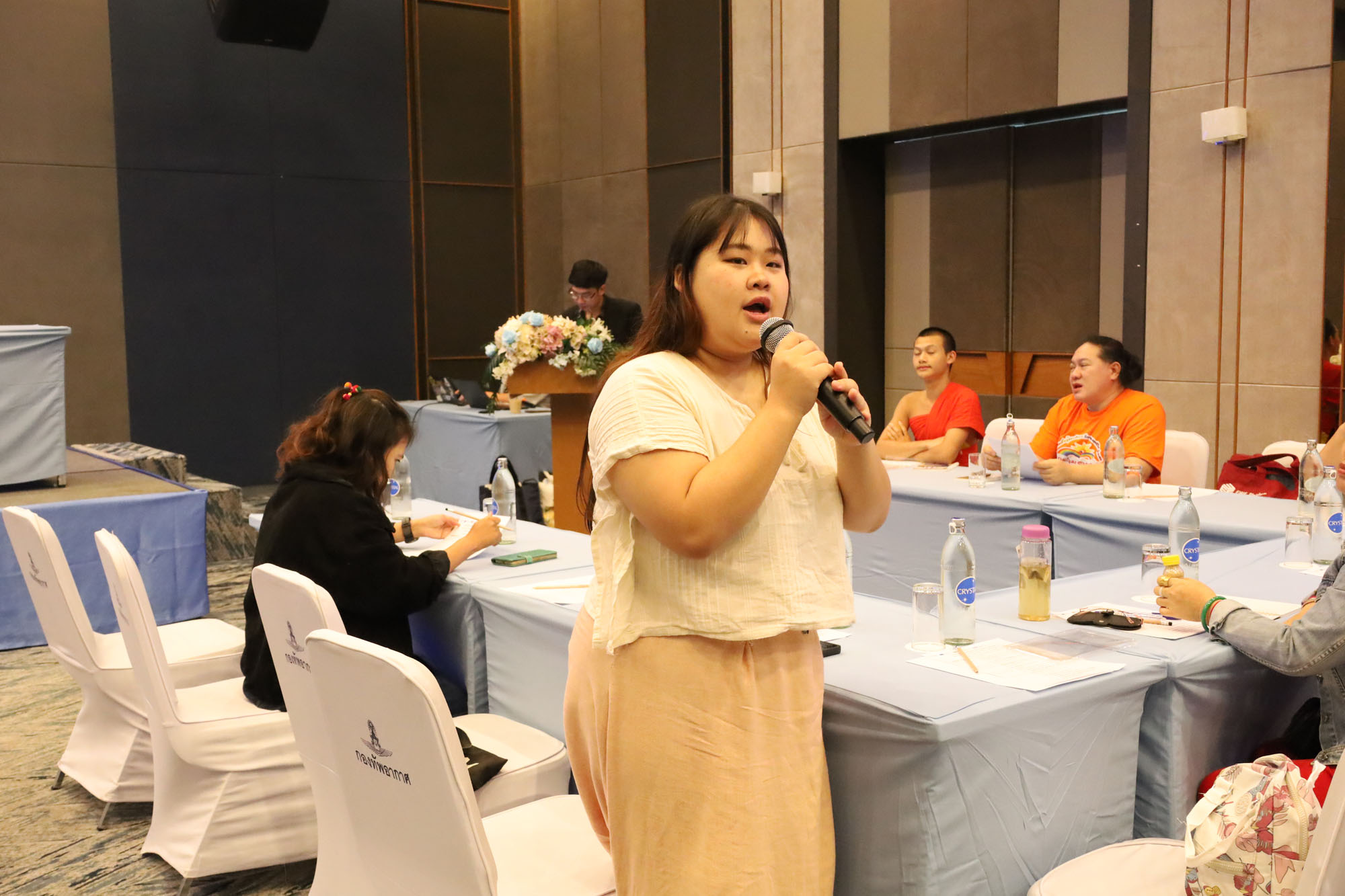
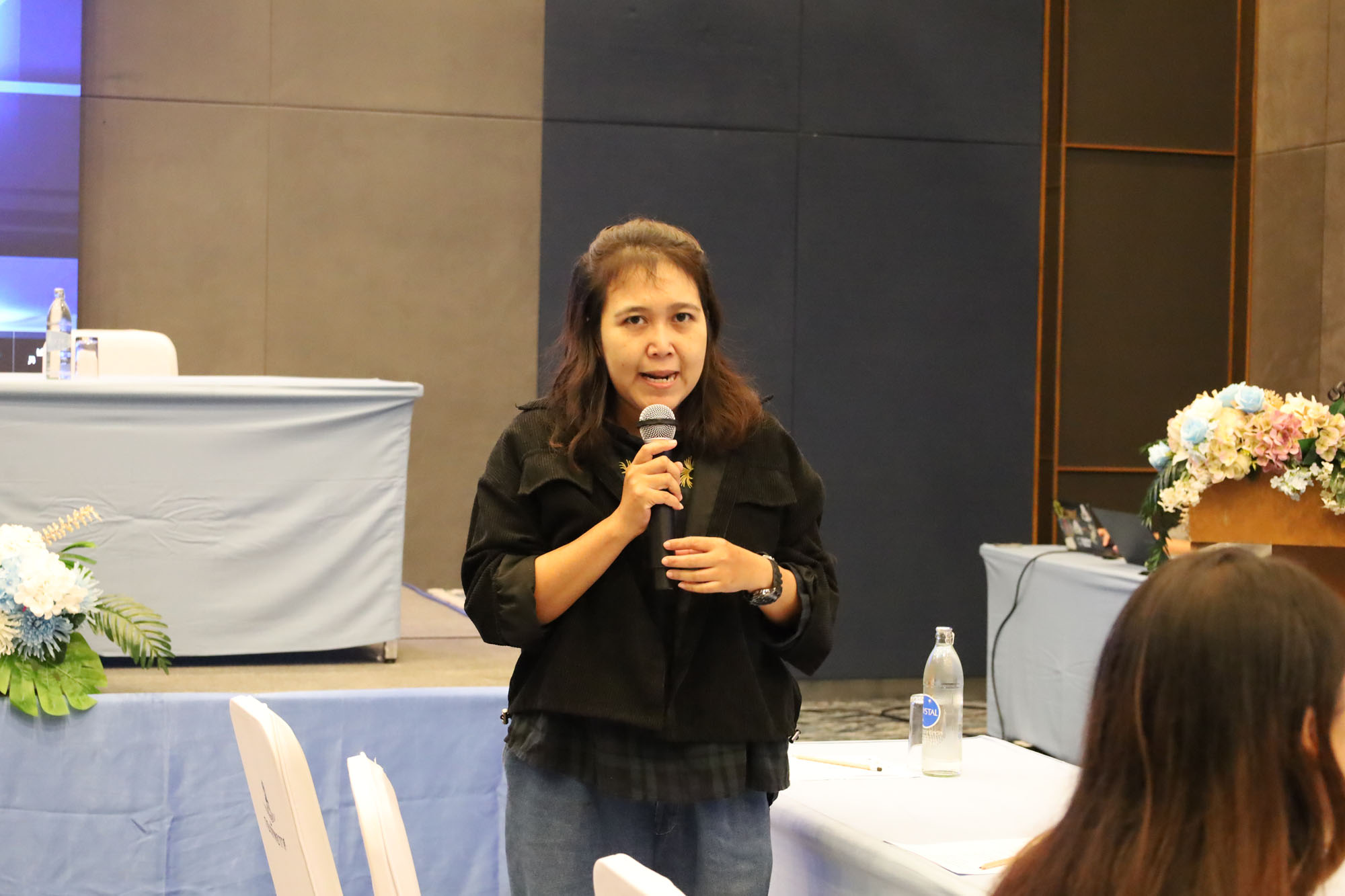
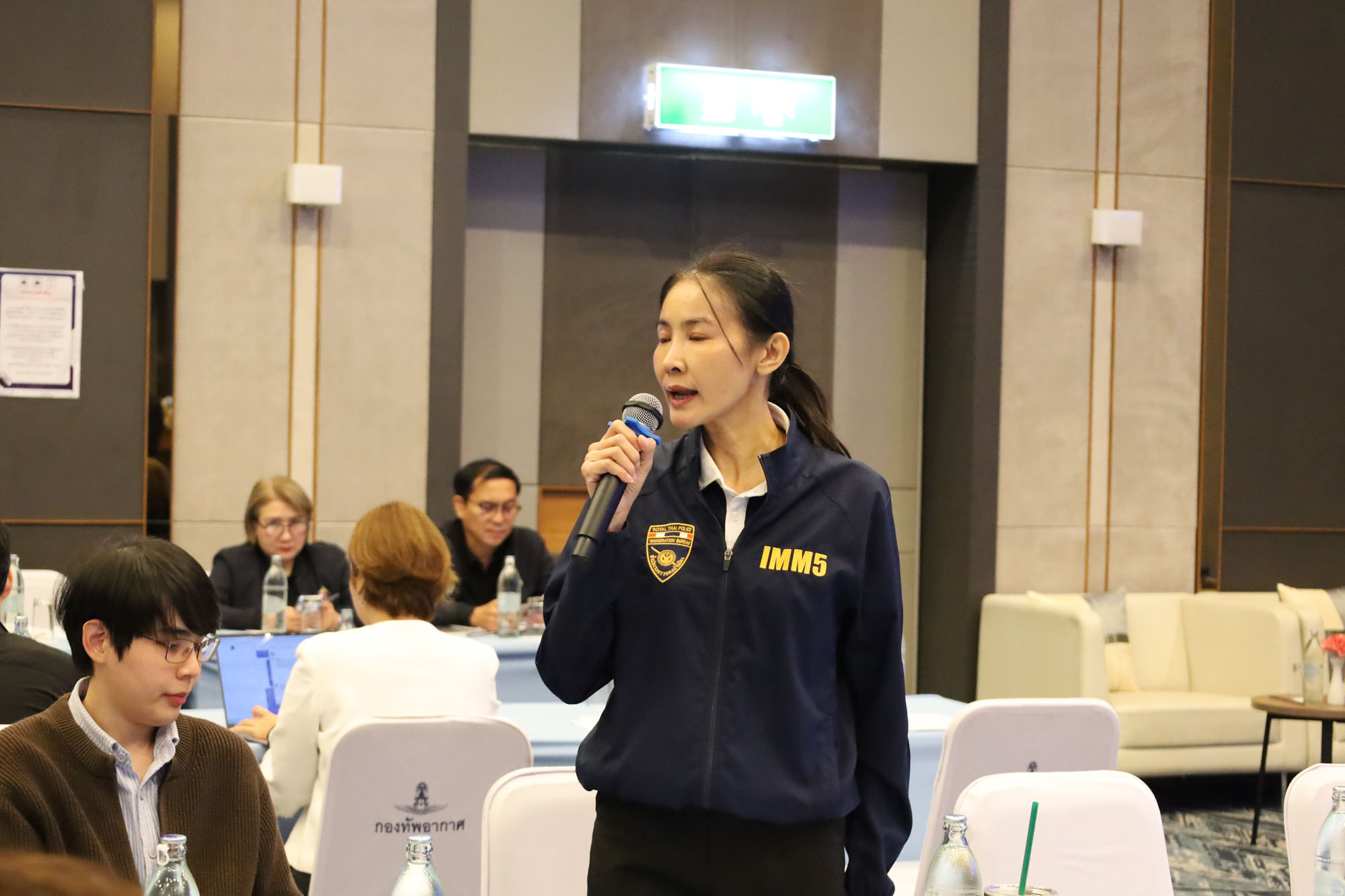
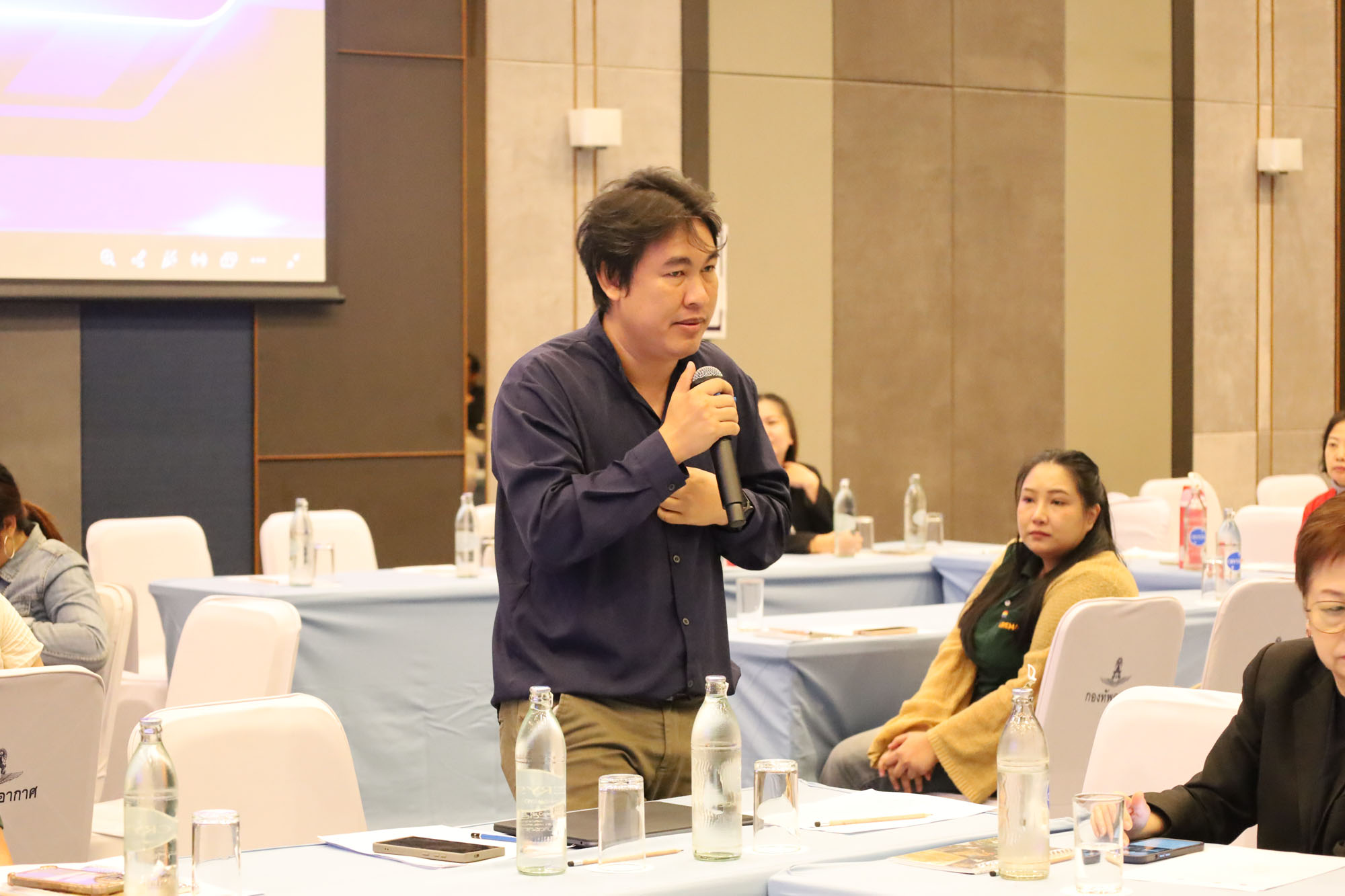
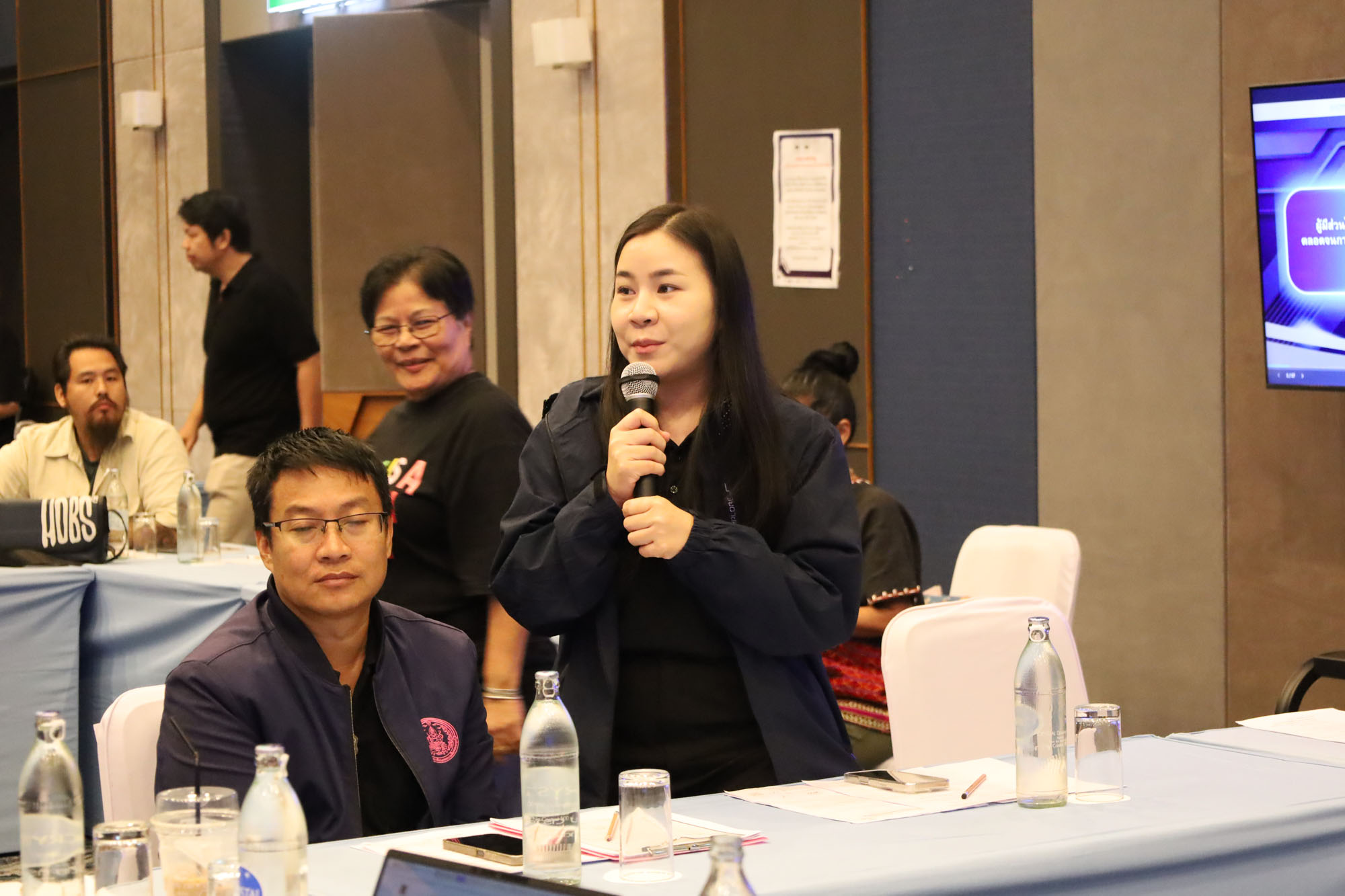
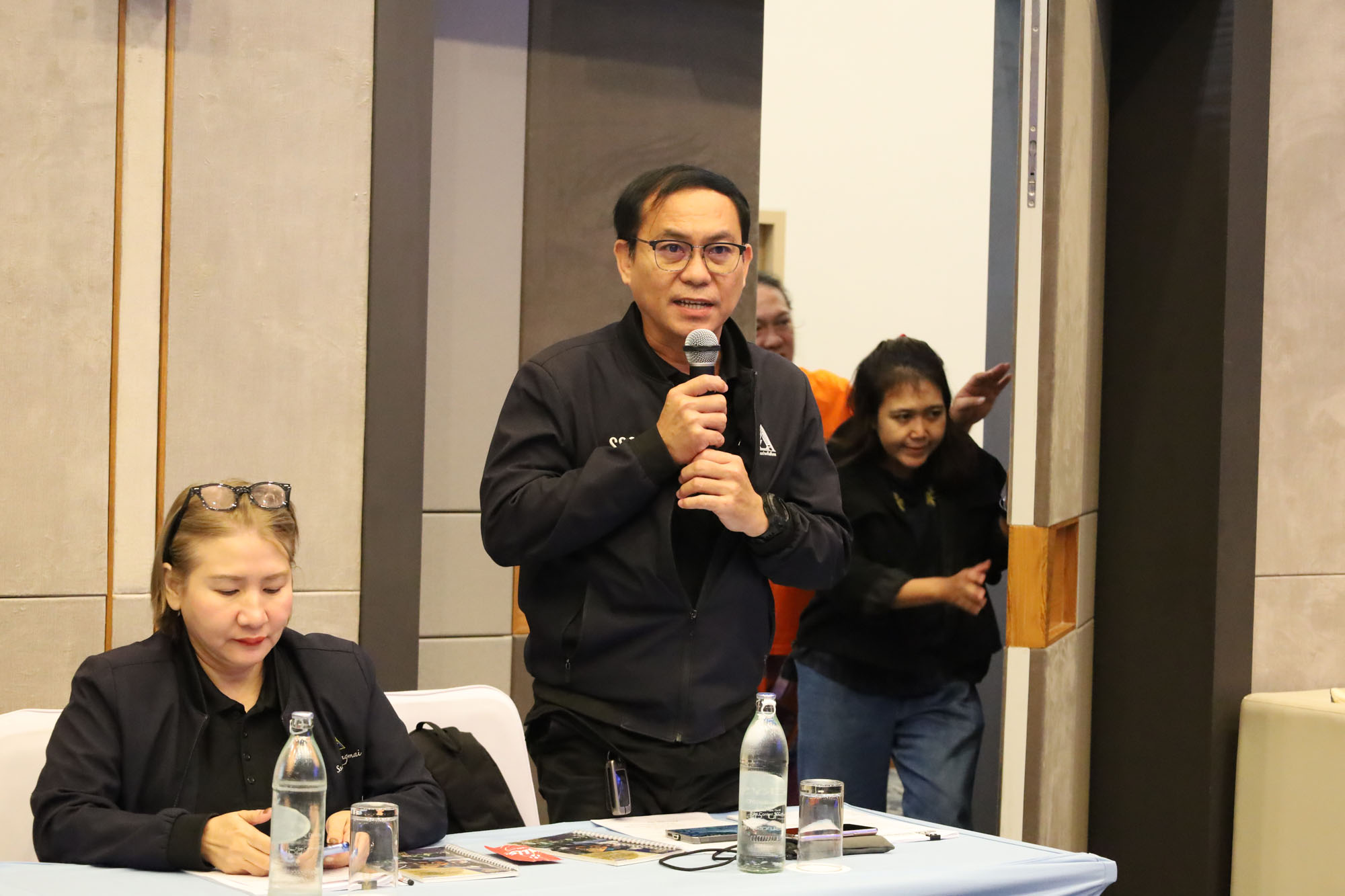
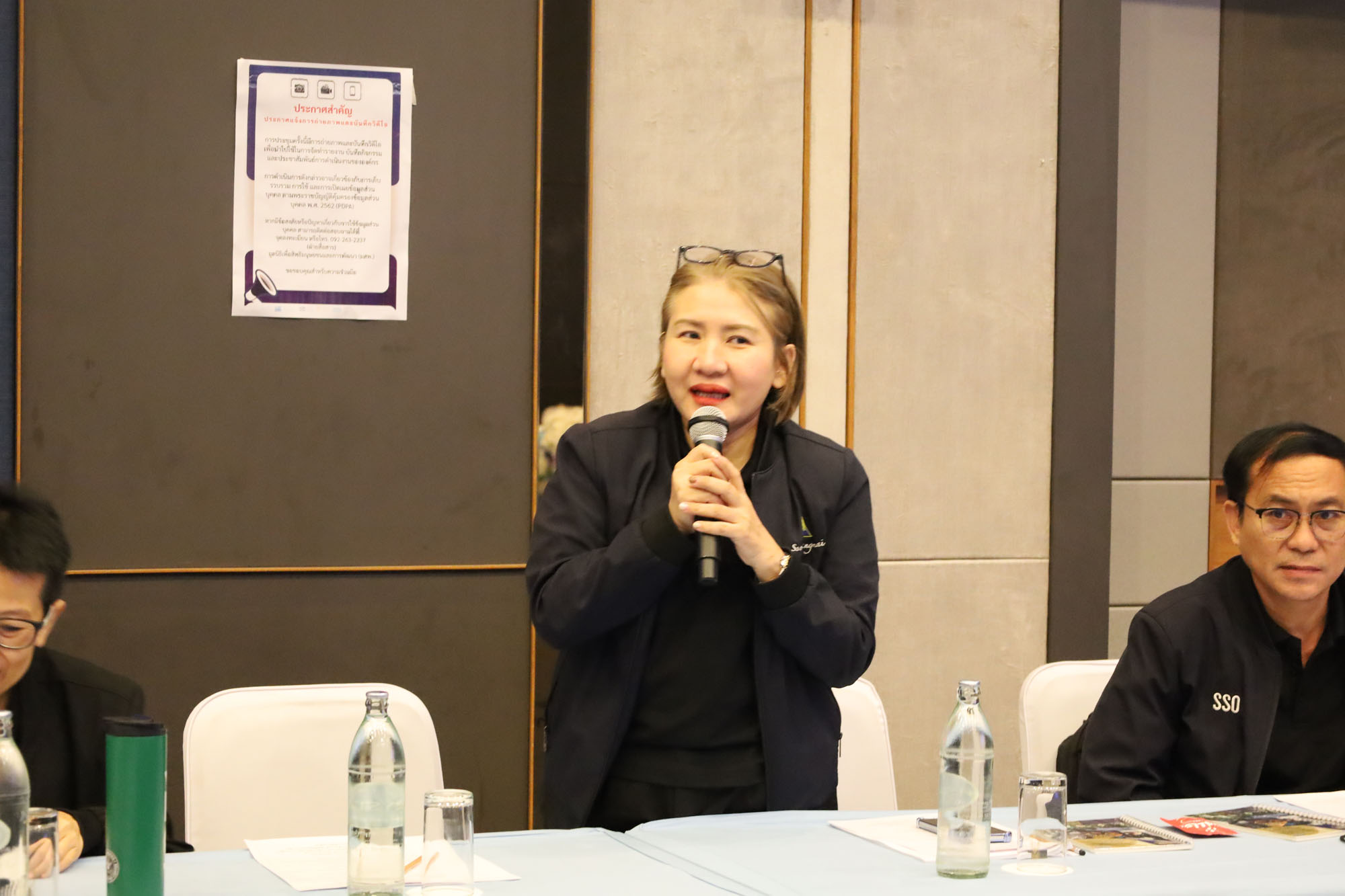
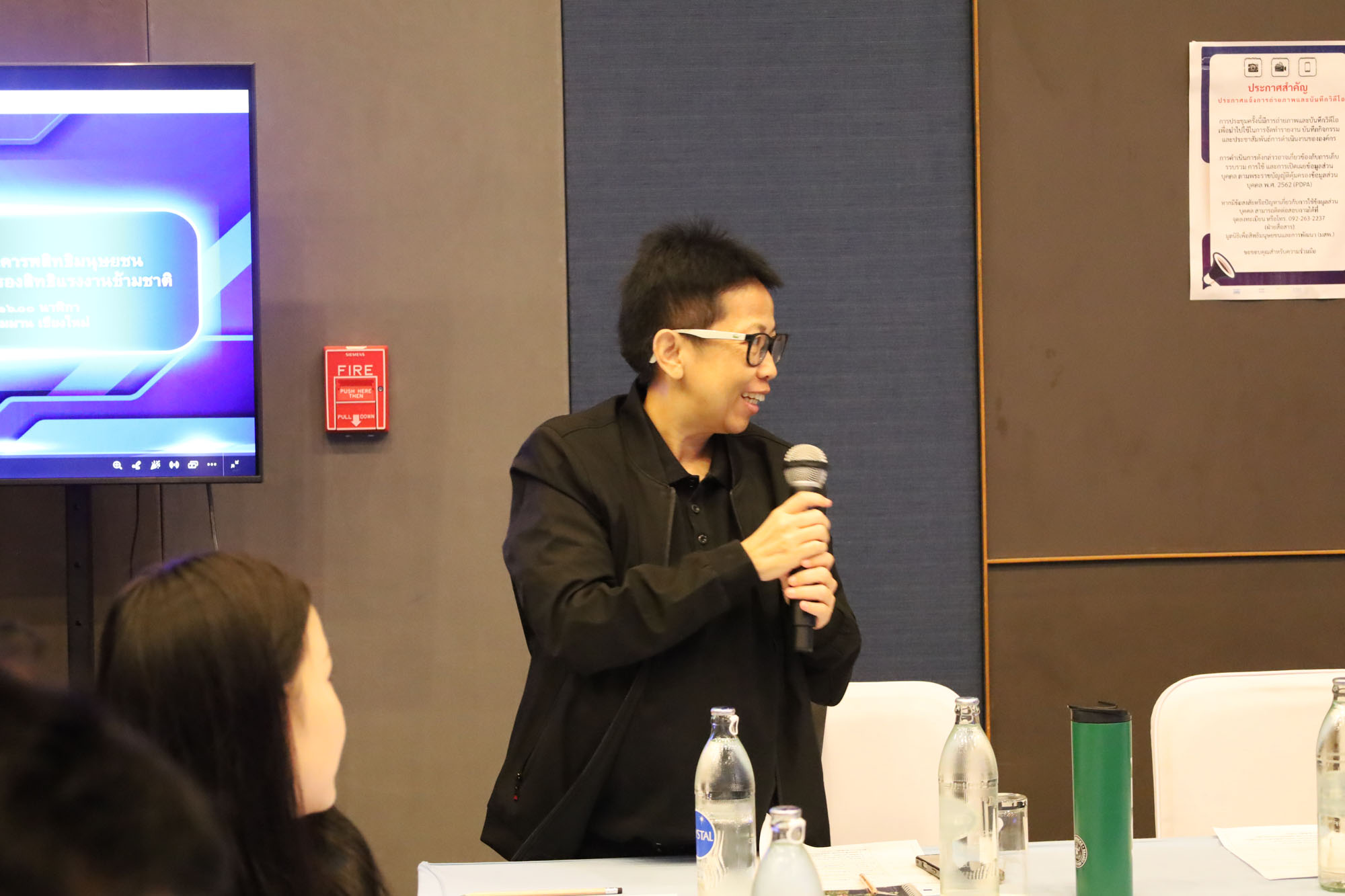
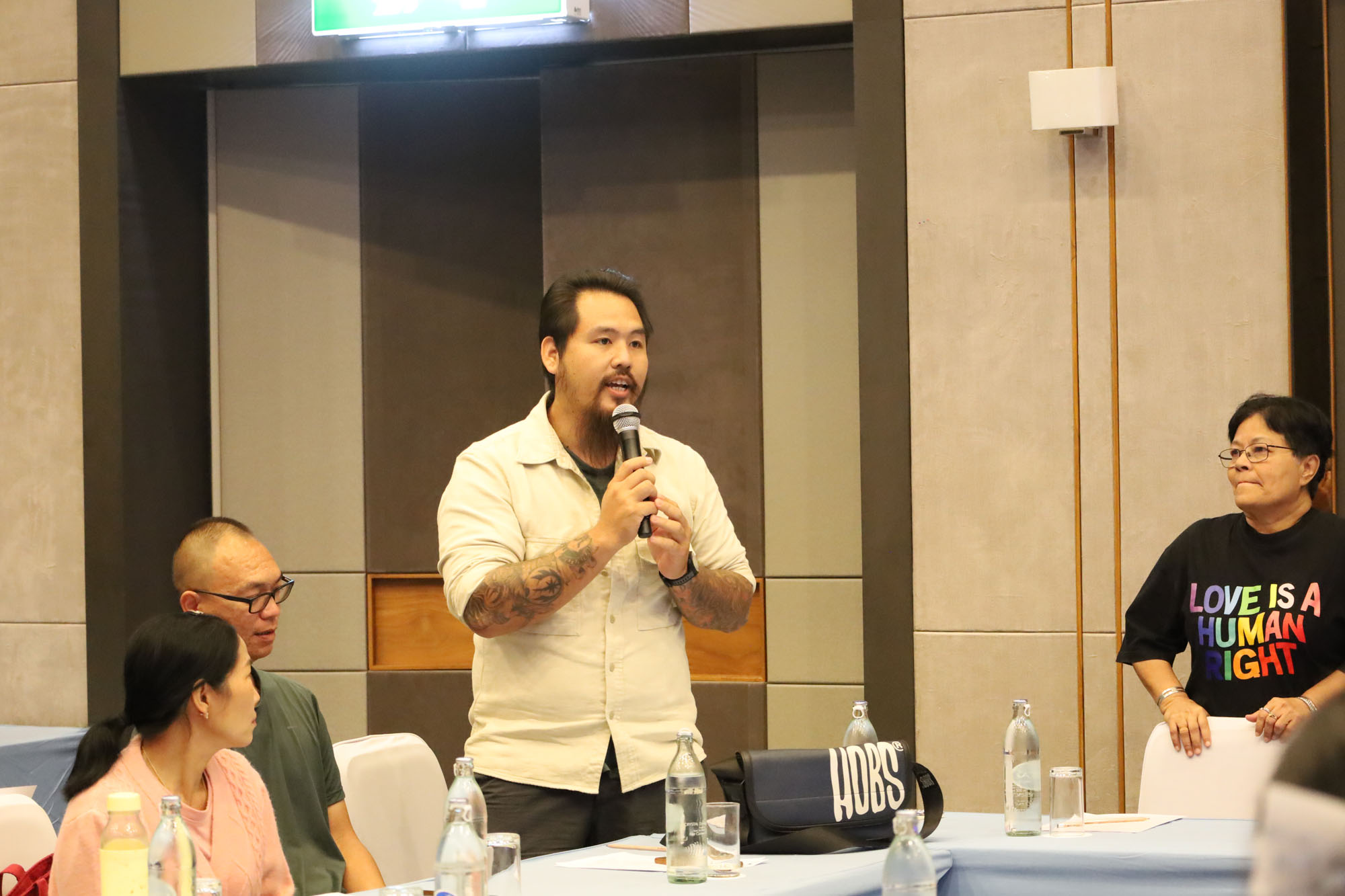
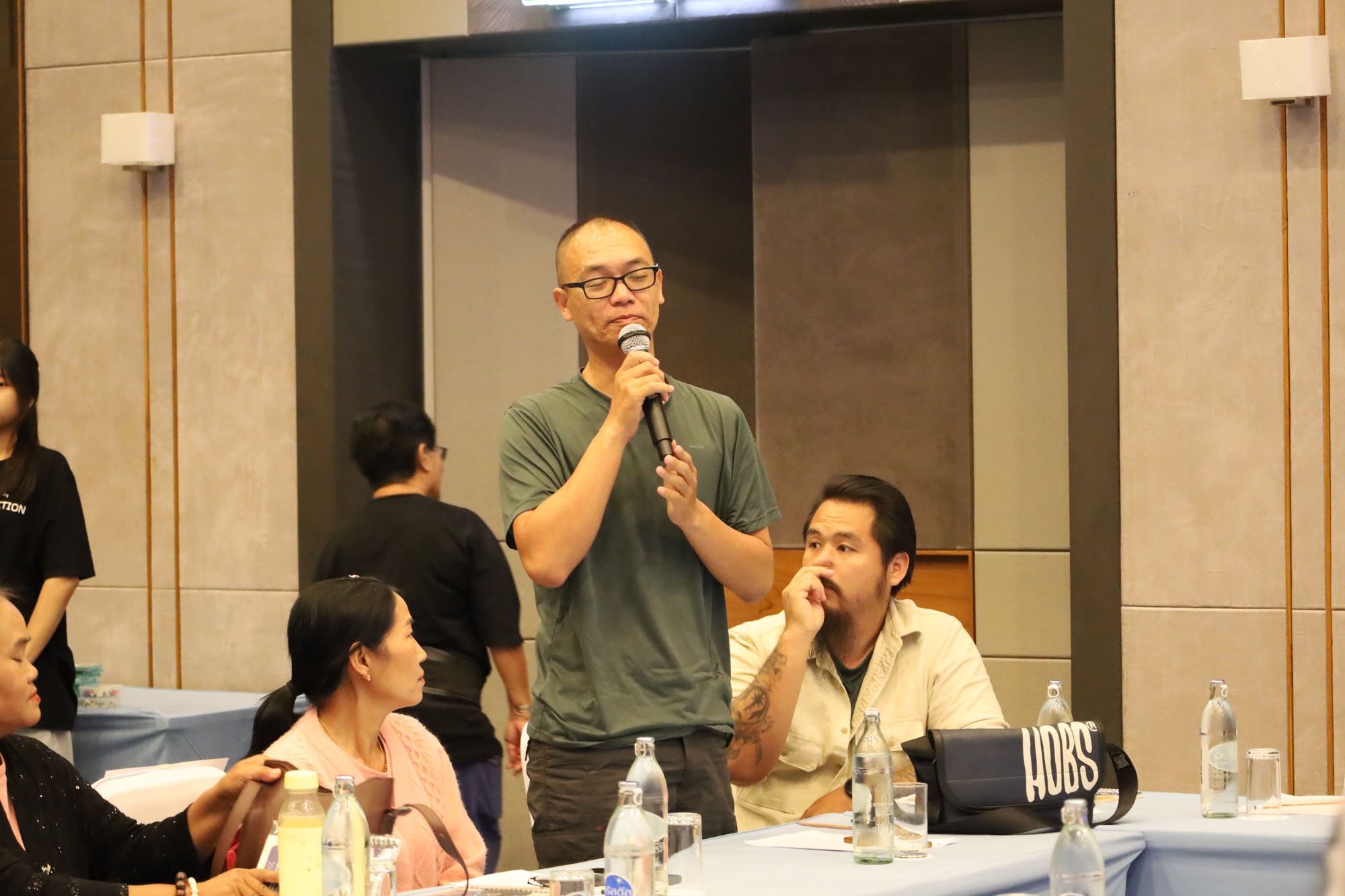
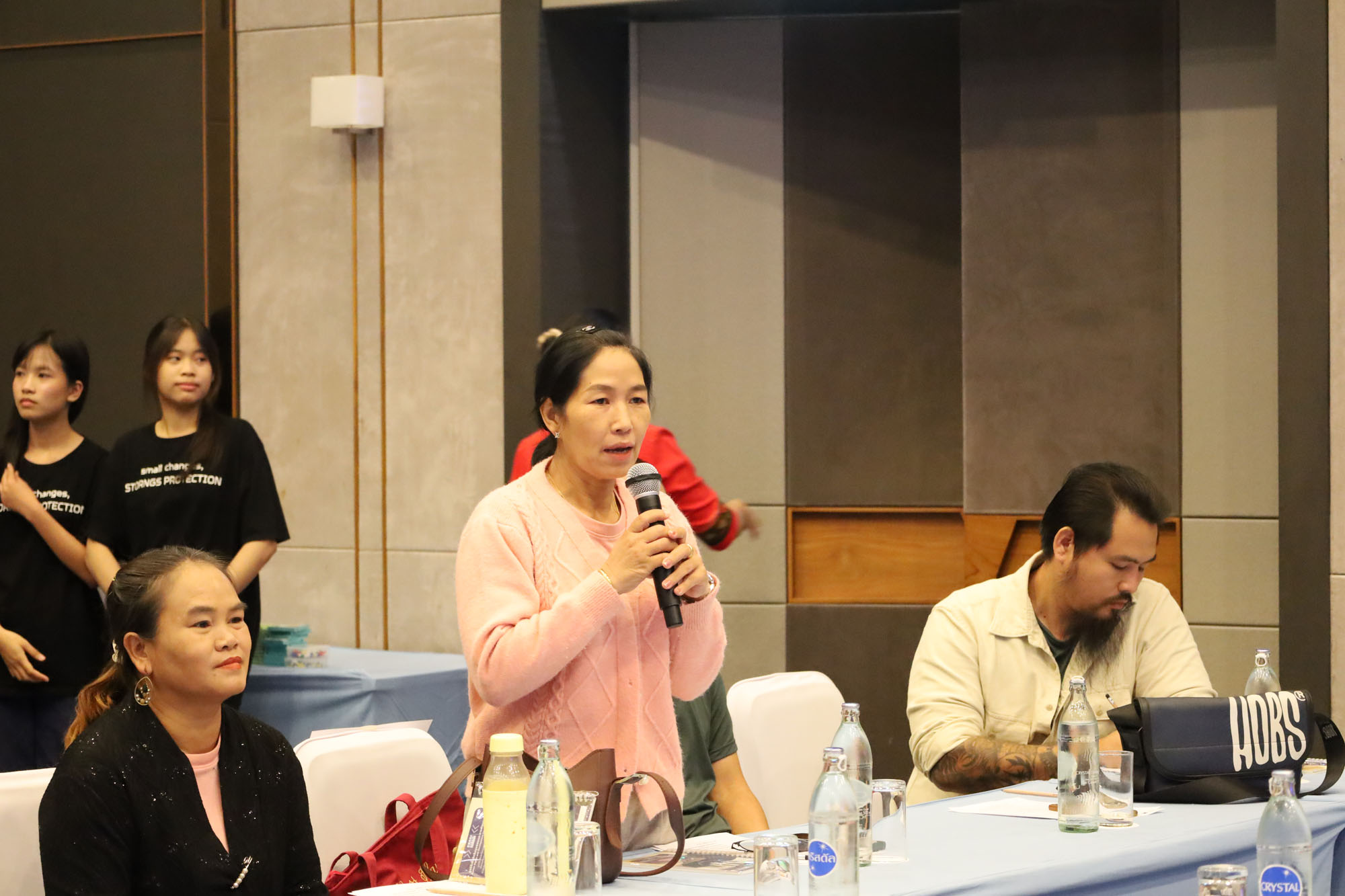
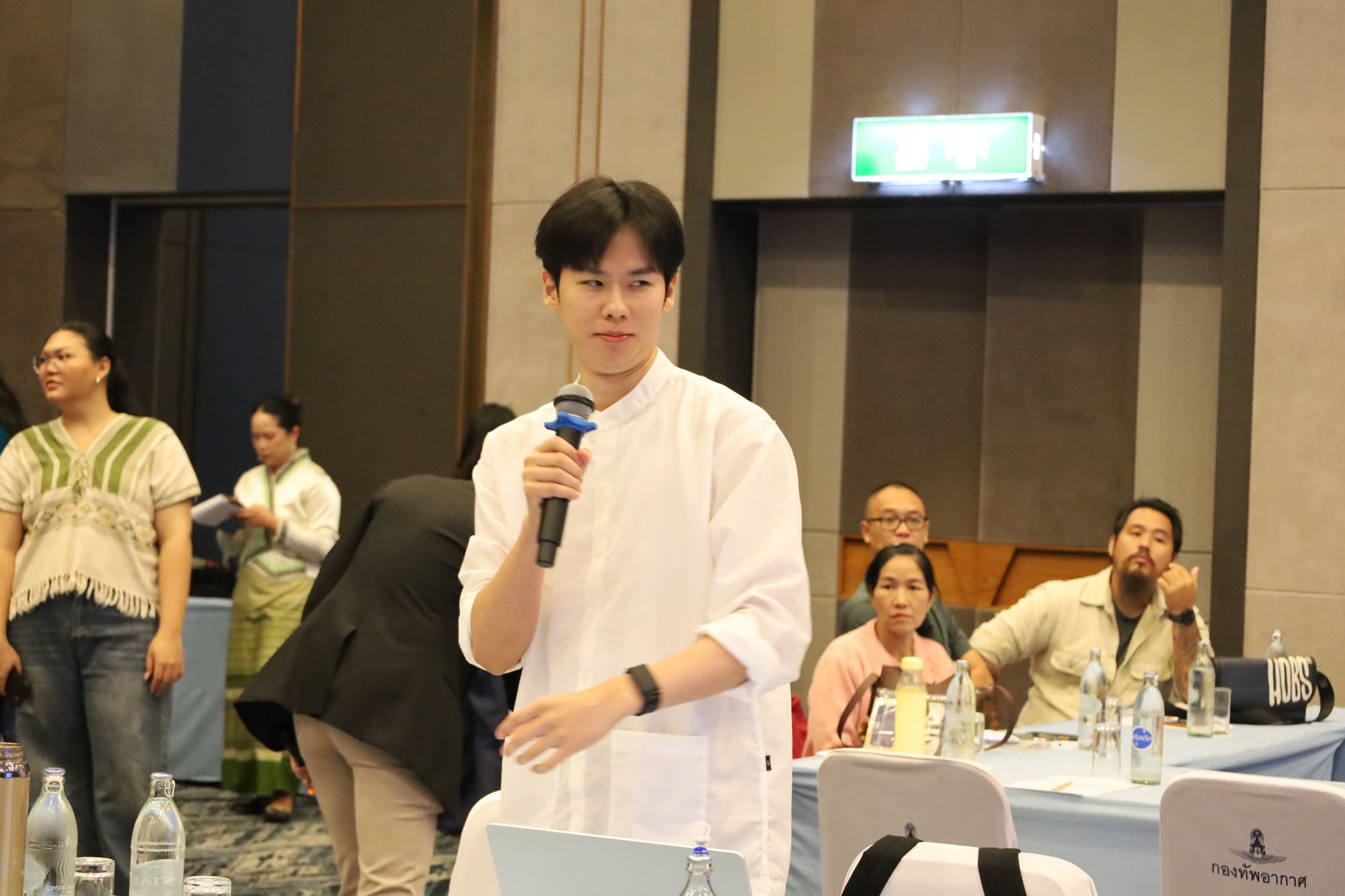
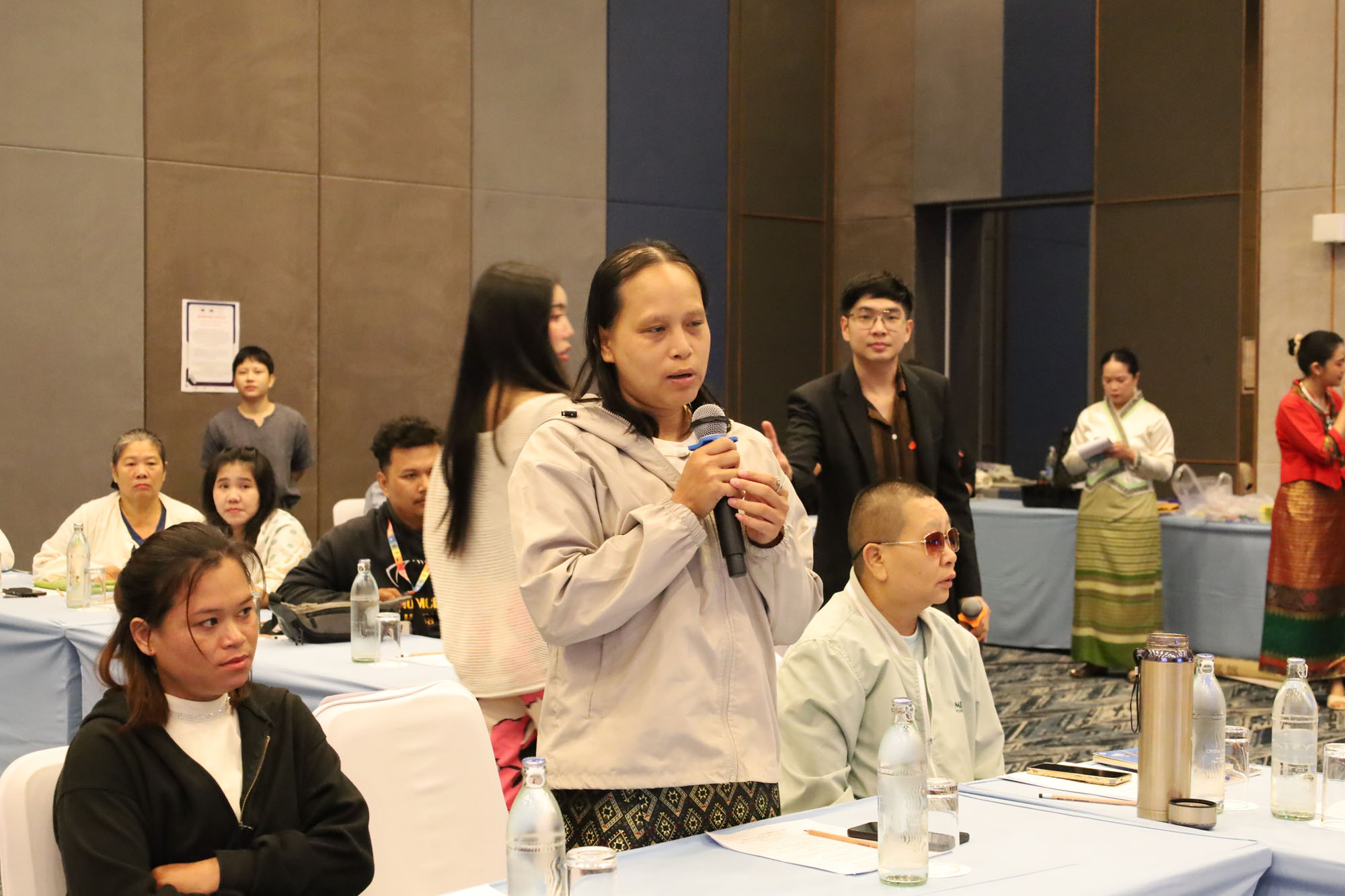
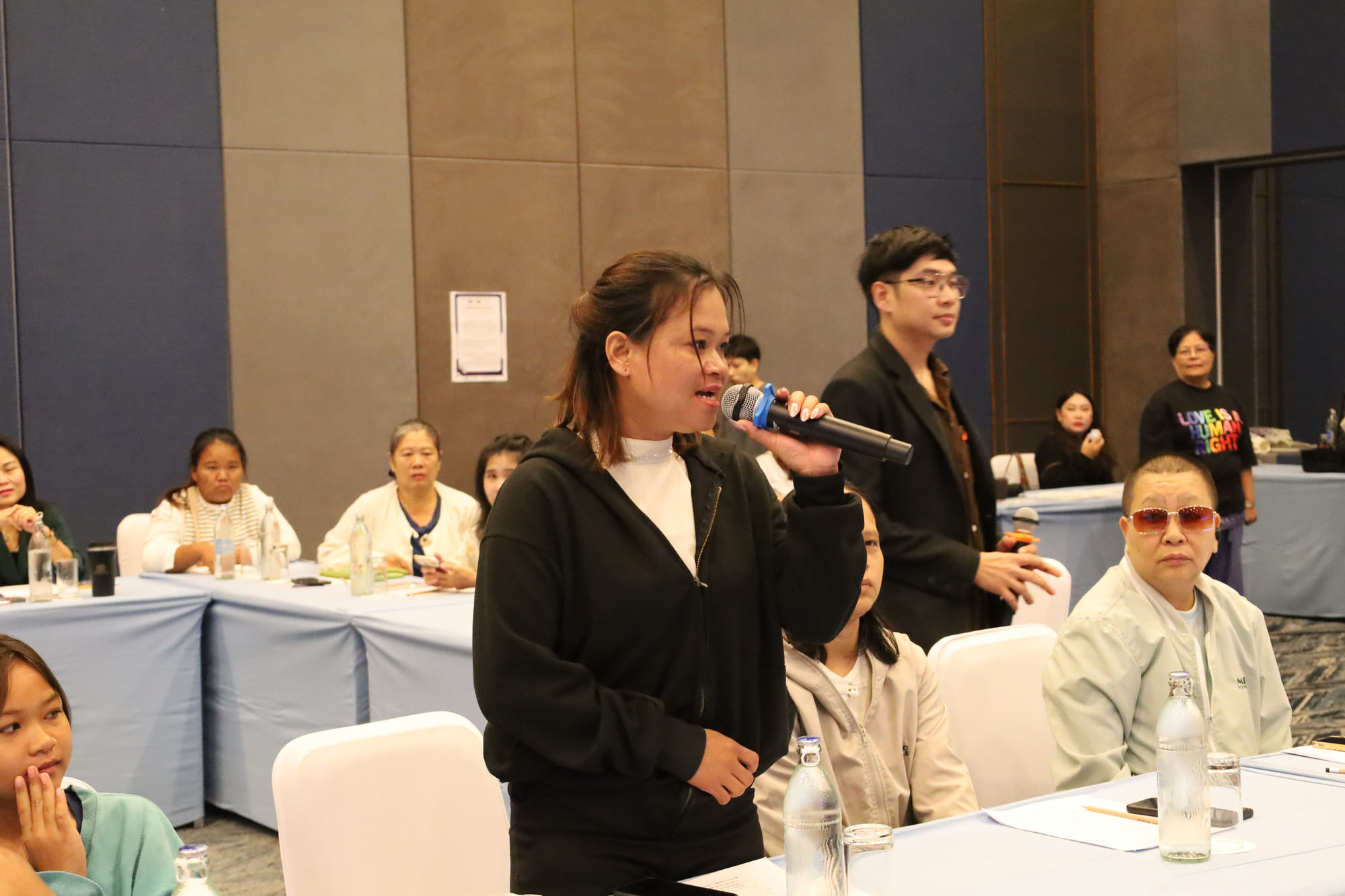
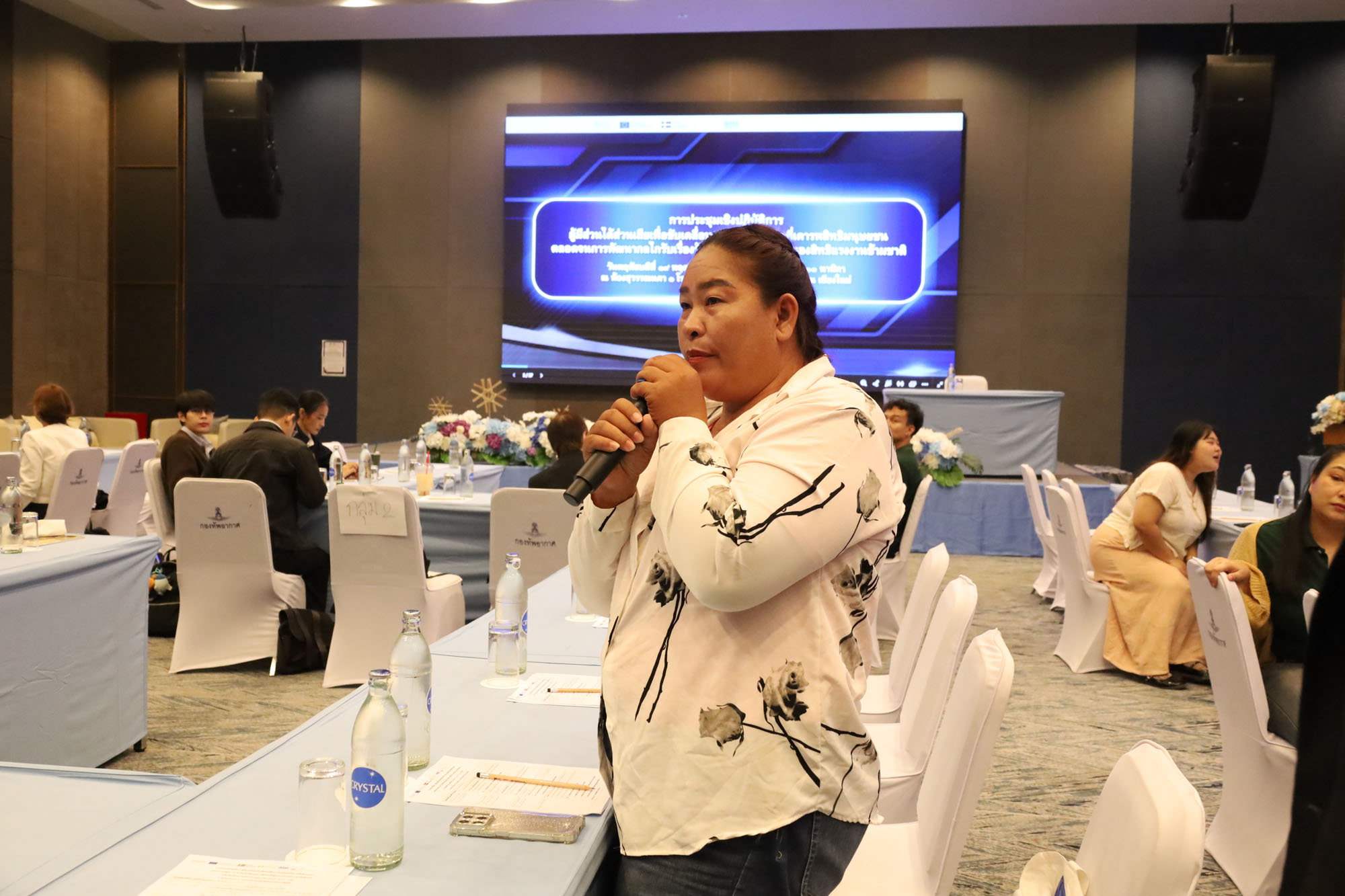
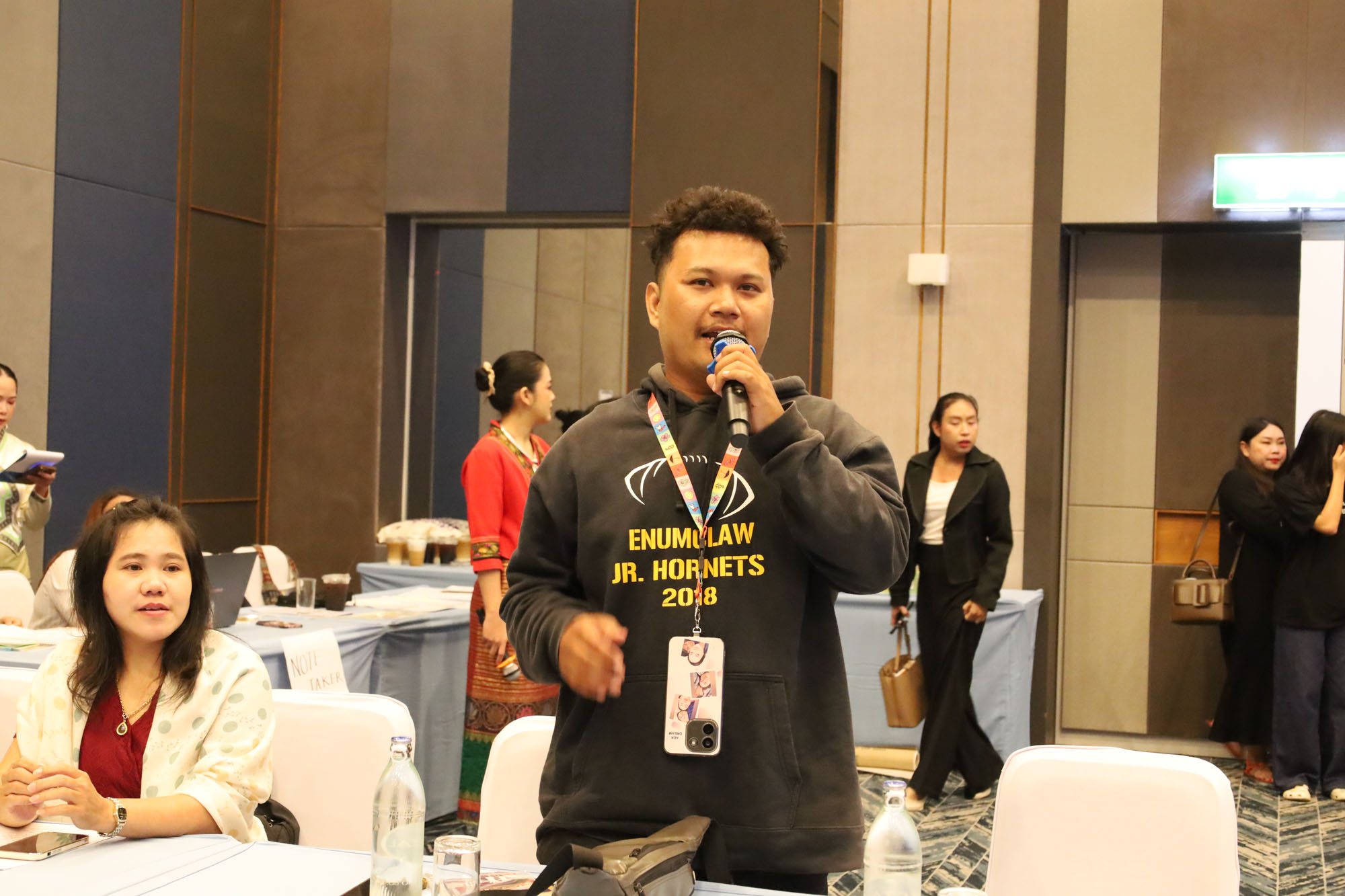
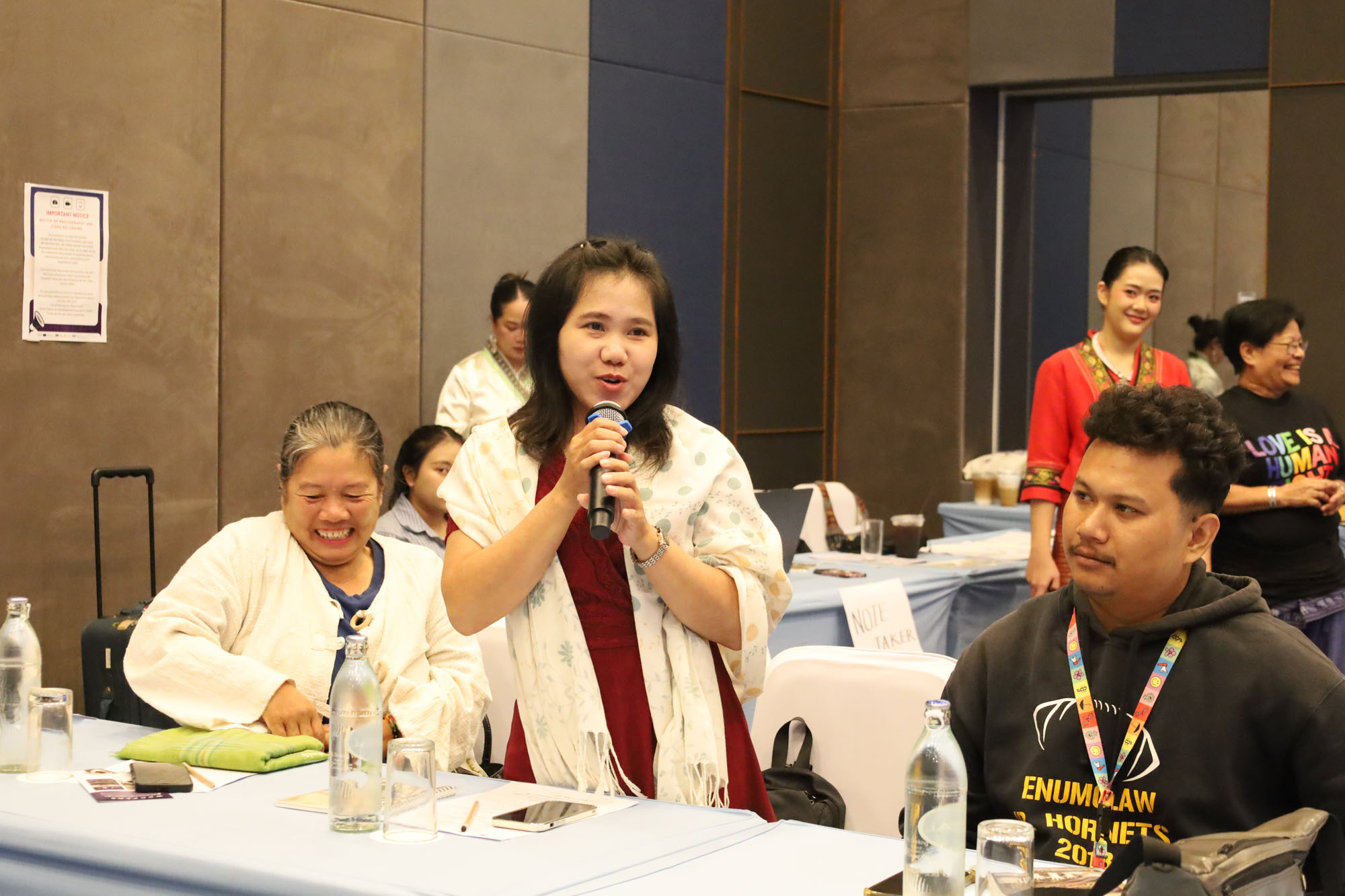
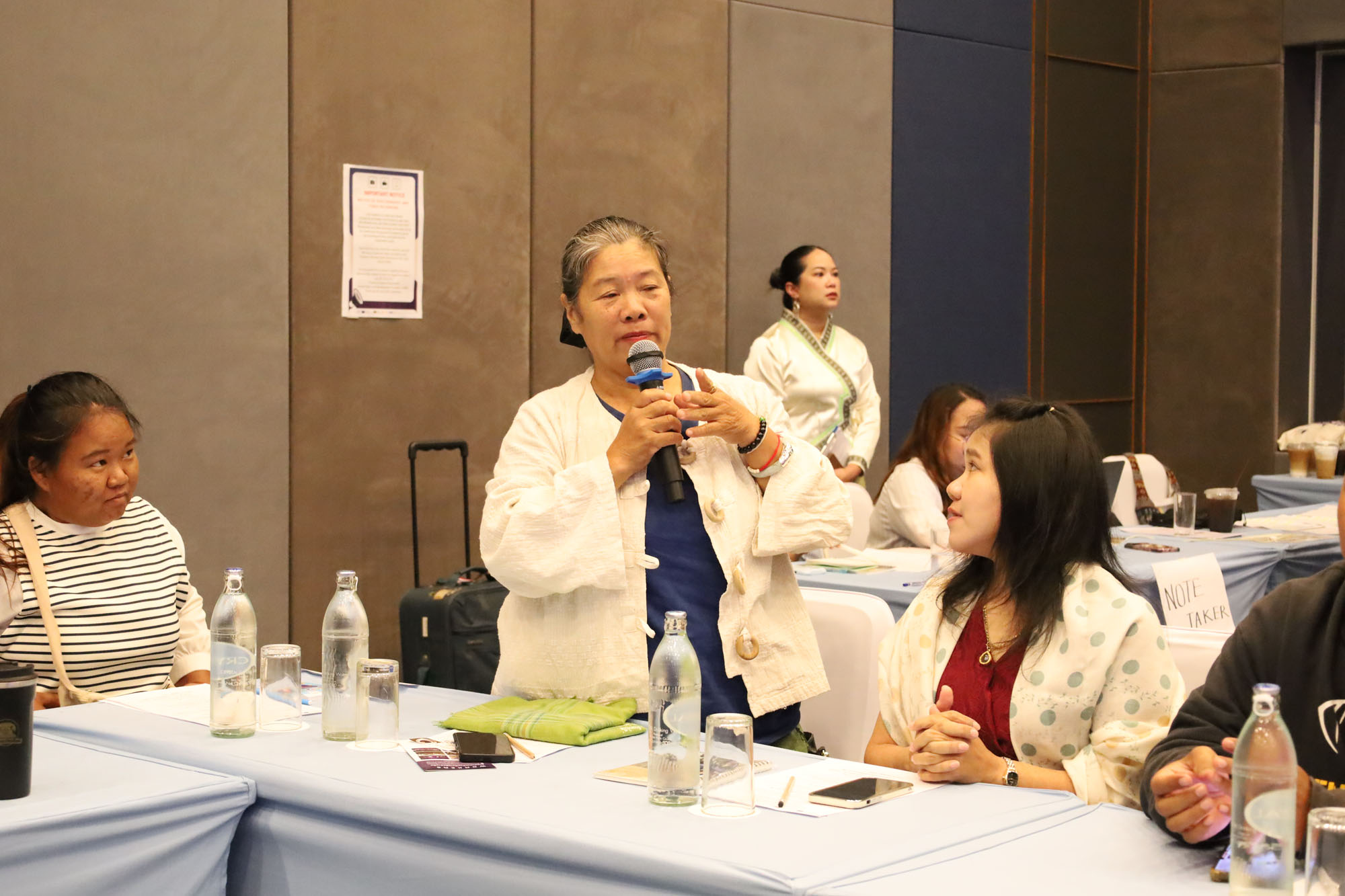
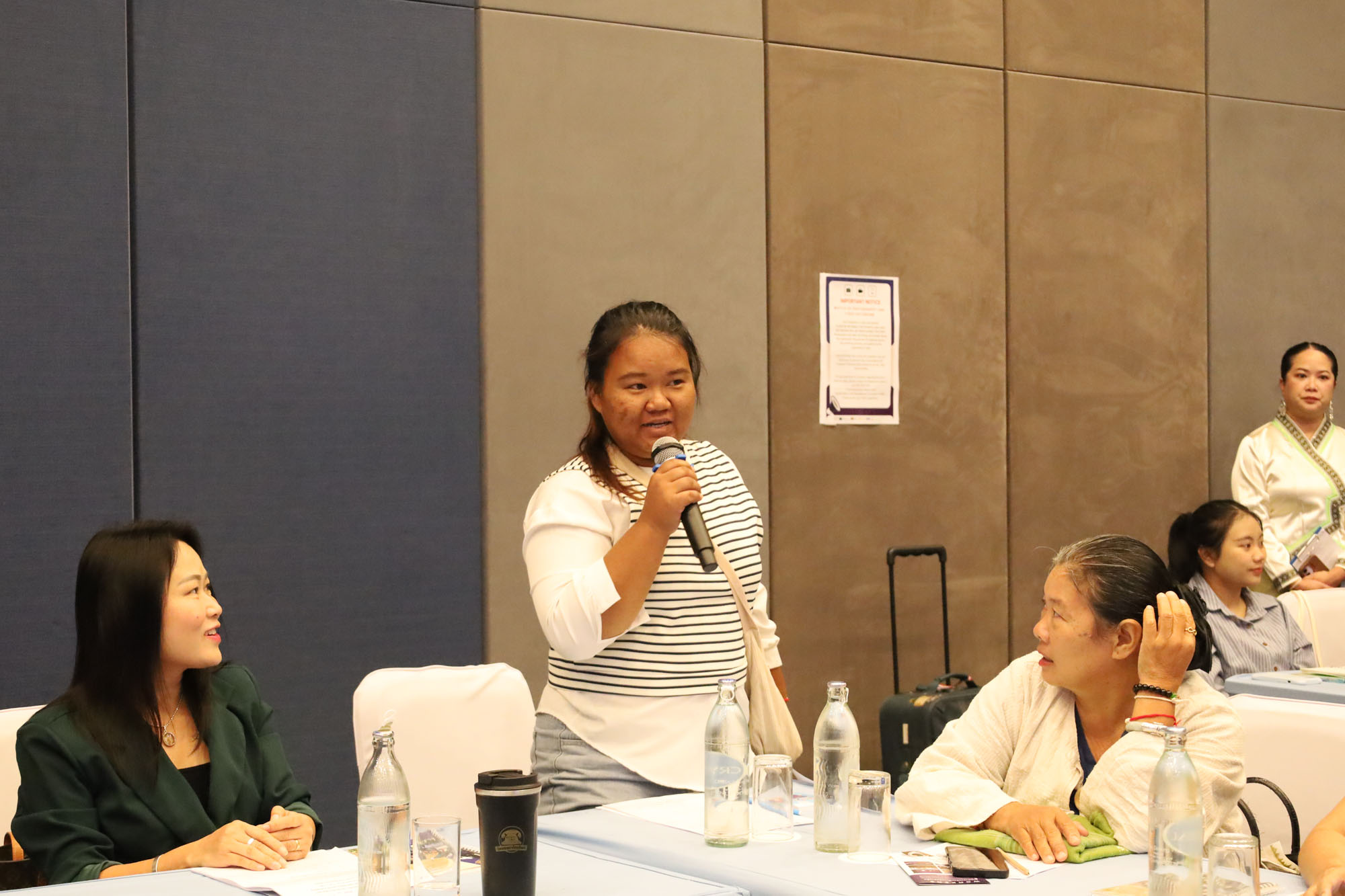
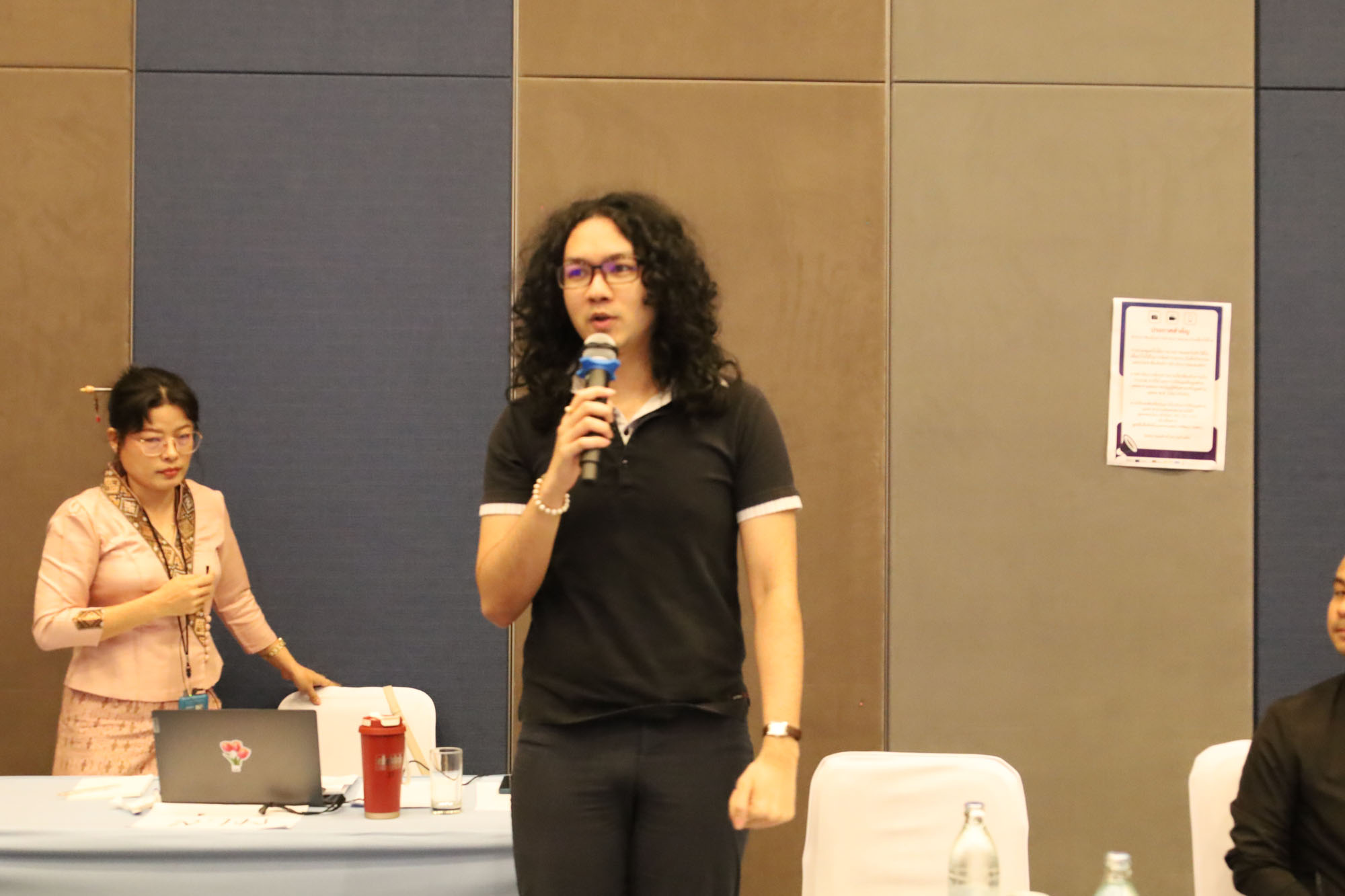
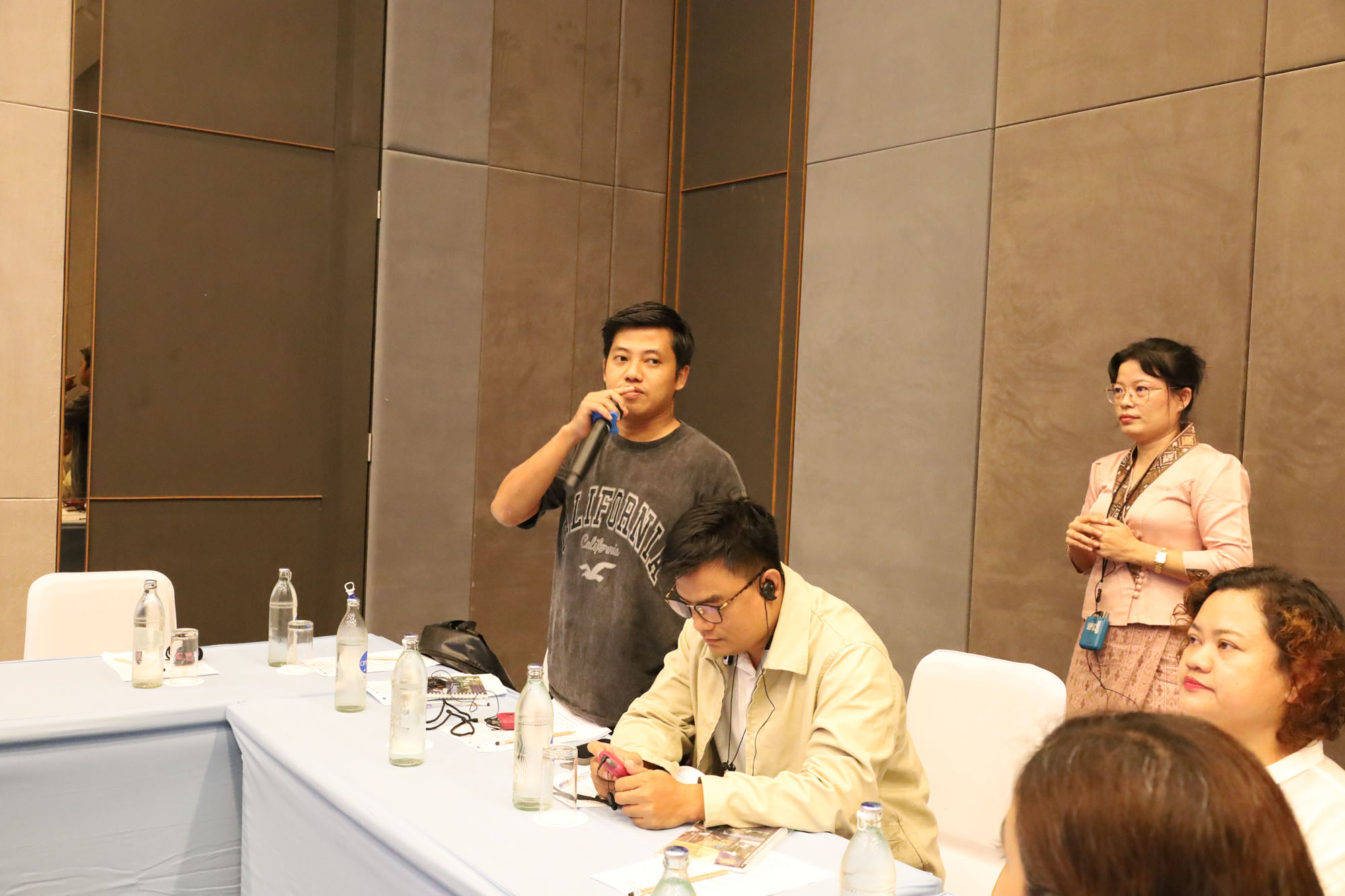
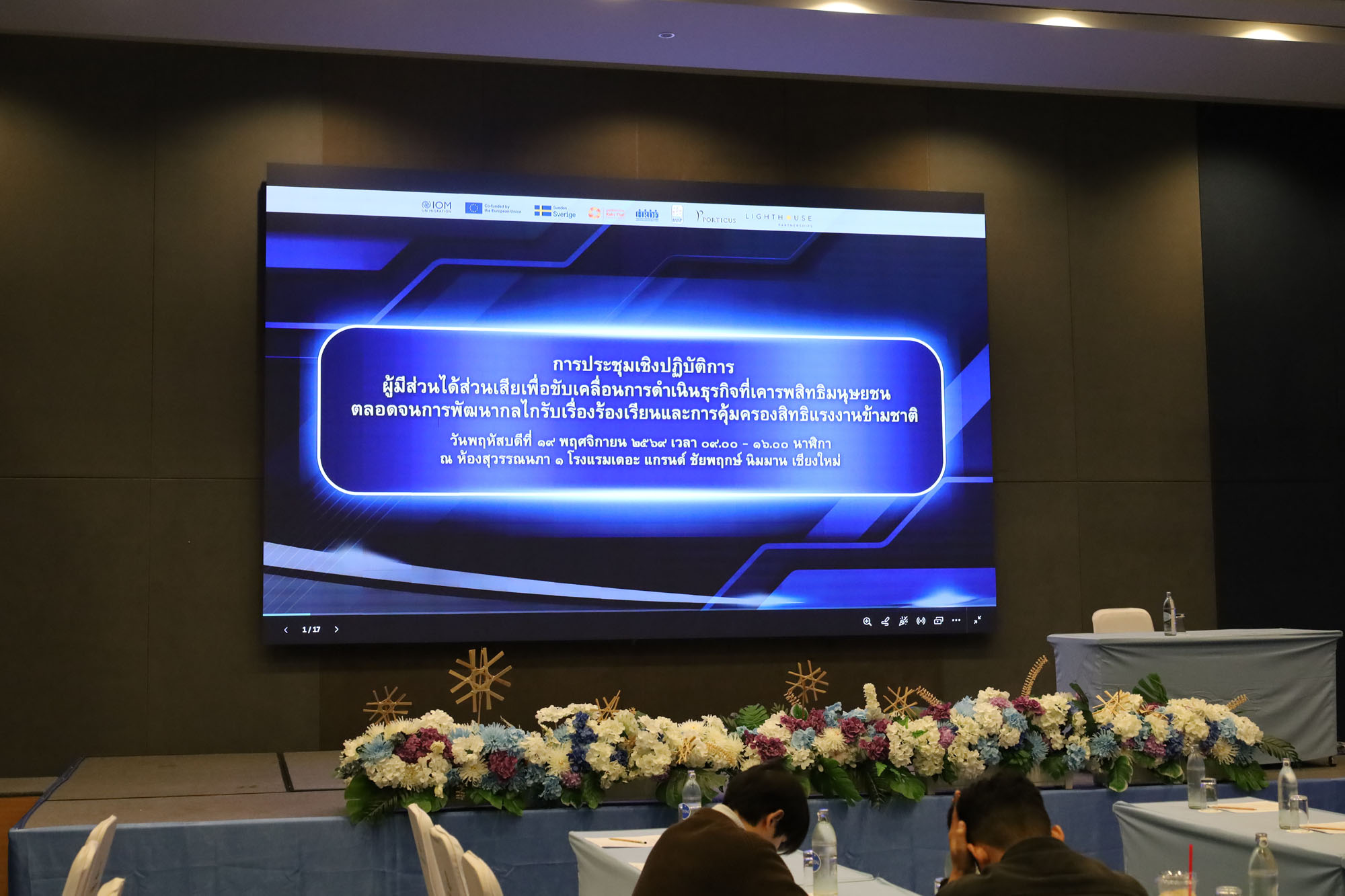
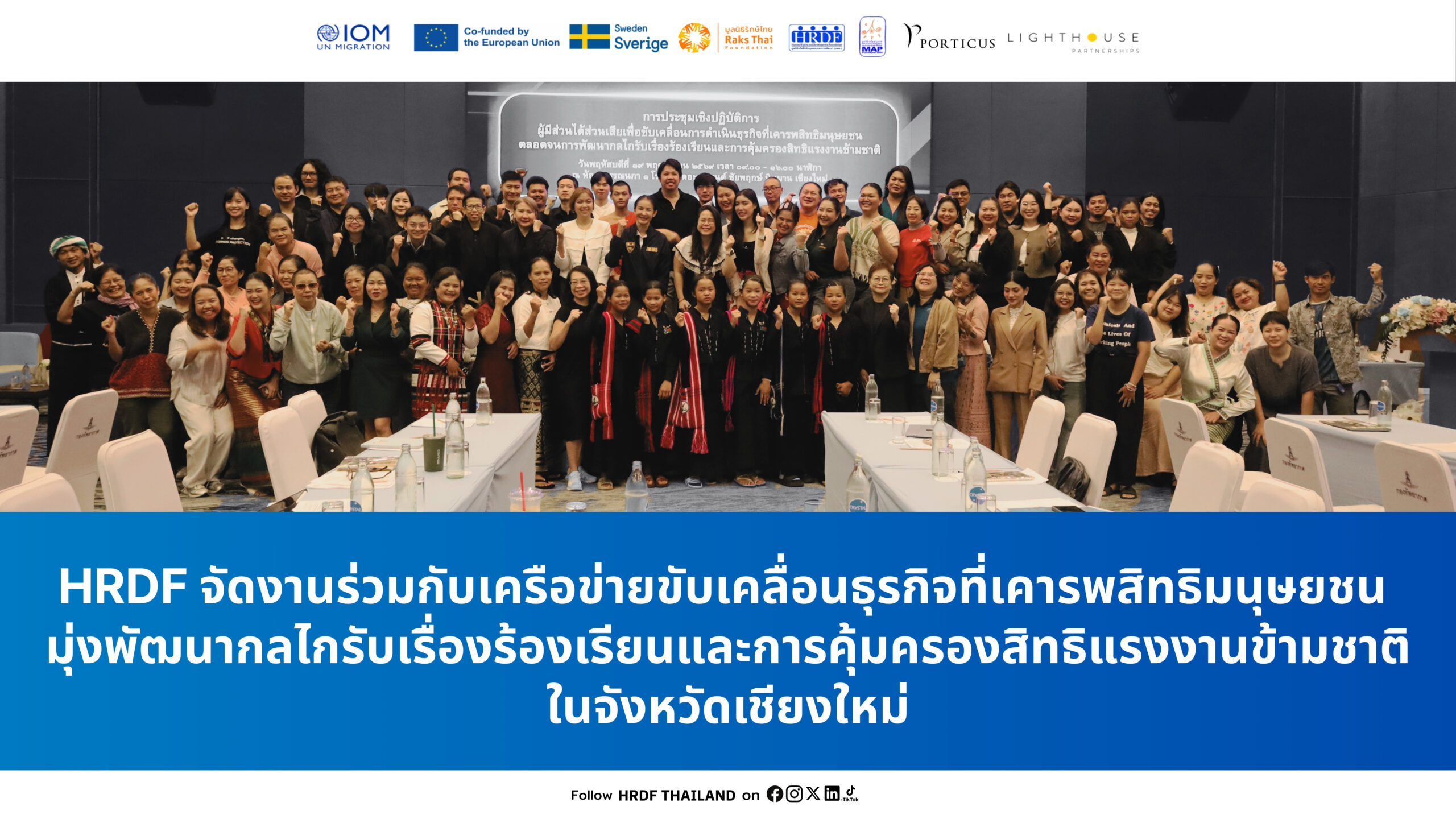
On 19 November 2026, the Human Rights and Development Foundation (HRDF) convened a multi-stakeholder workshop on advancing responsible business conduct that respects human rights, with a focus on strengthening grievance mechanisms and protecting the rights of migrant workers. The workshop was held at Suwannapa 1 Room, The Grand Chaiyaphruek Nimman Hotel, Chiang Mai, and brought together representatives from government agencies, the private sector, labour networks, civil society organisations, and community-based organisations to exchange perspectives and recommendations.
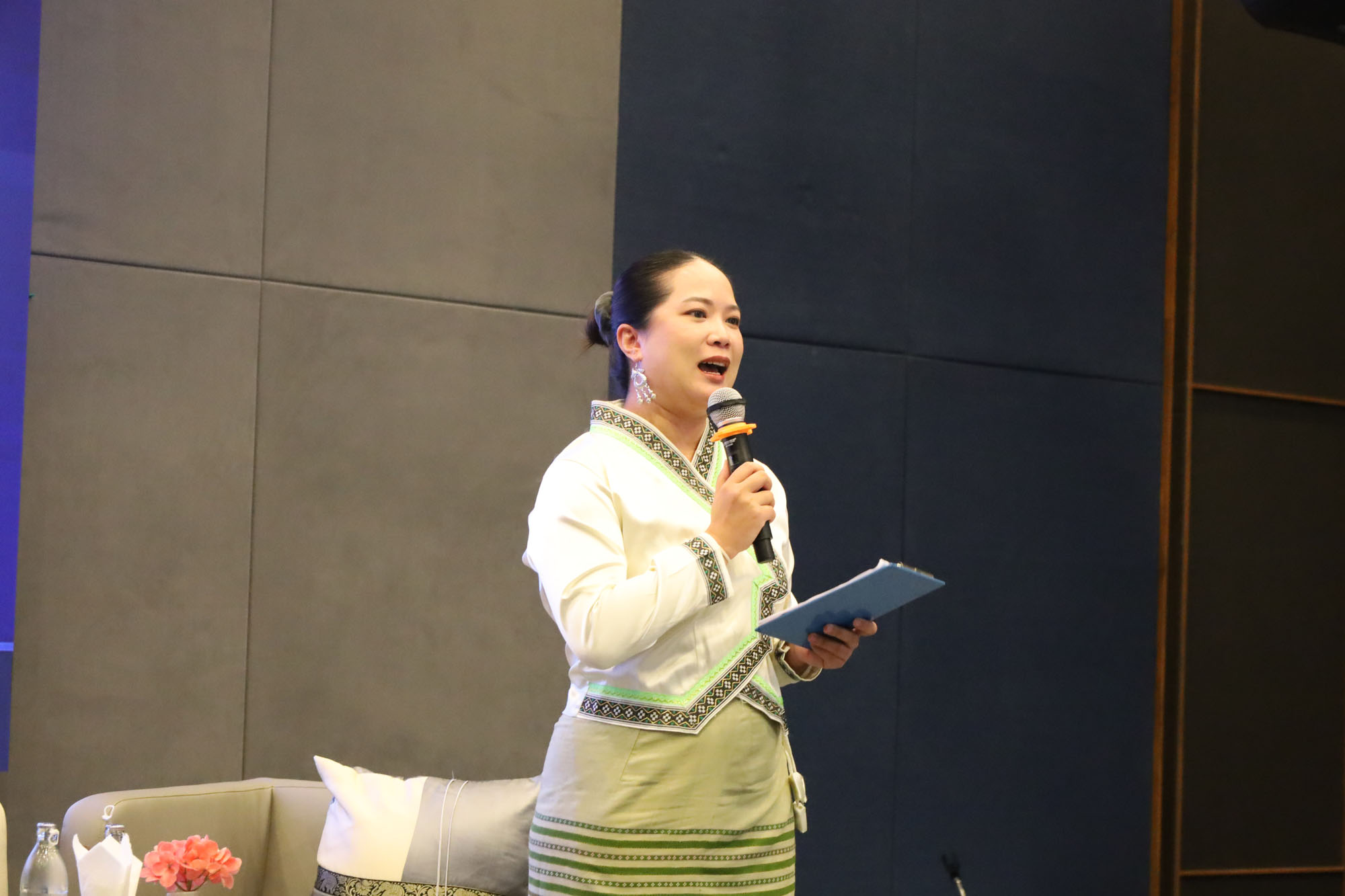
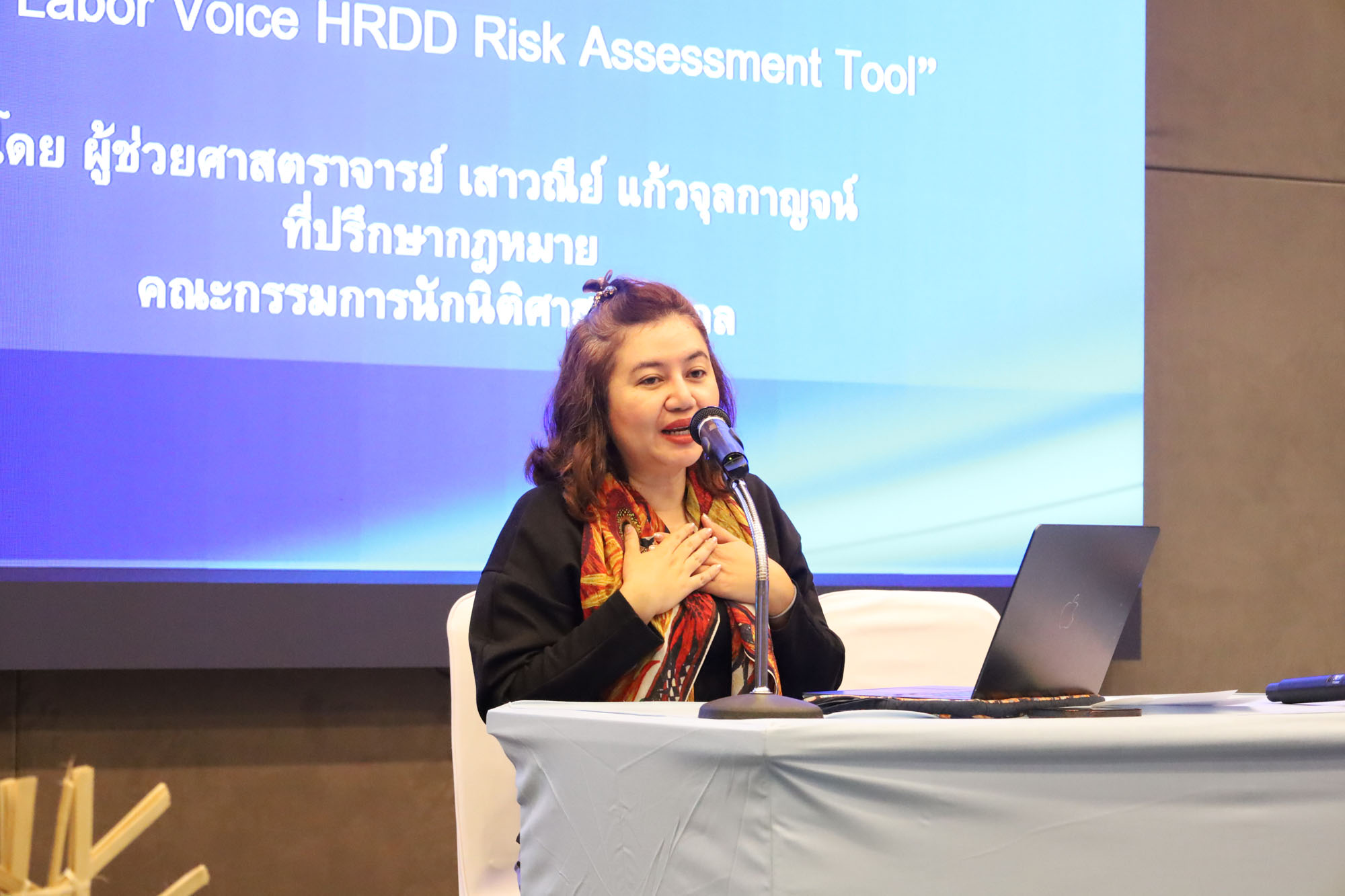
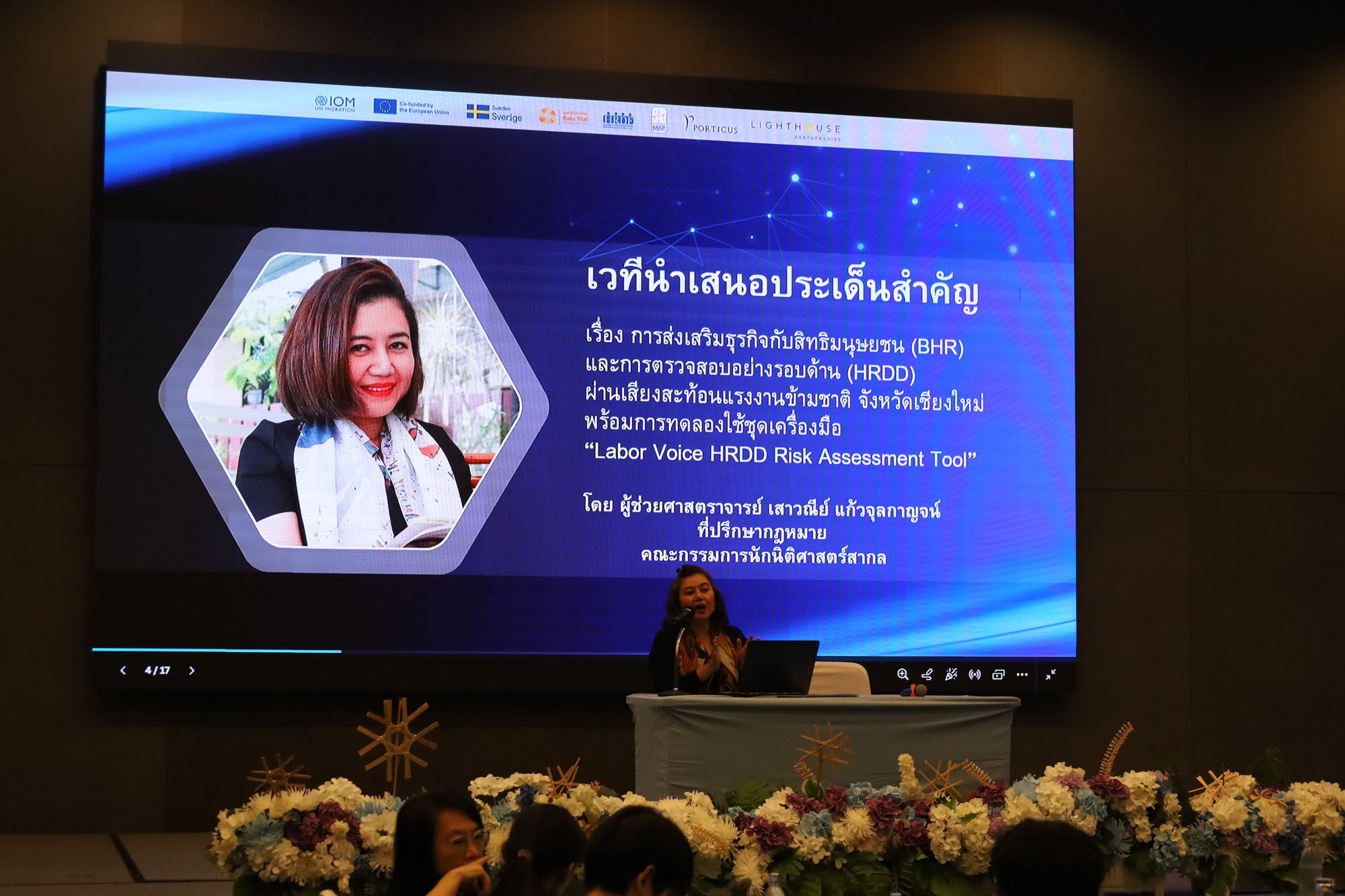
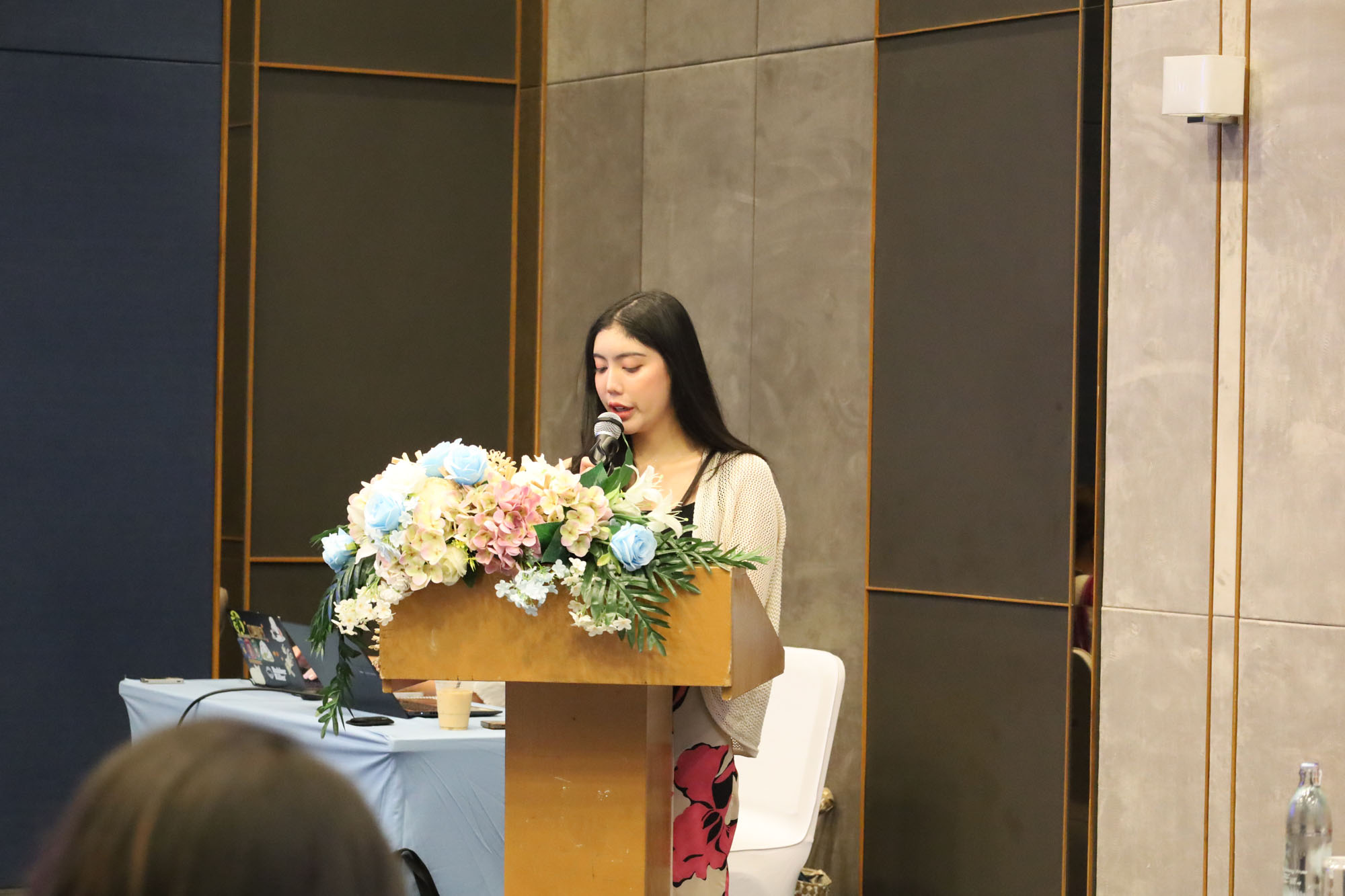
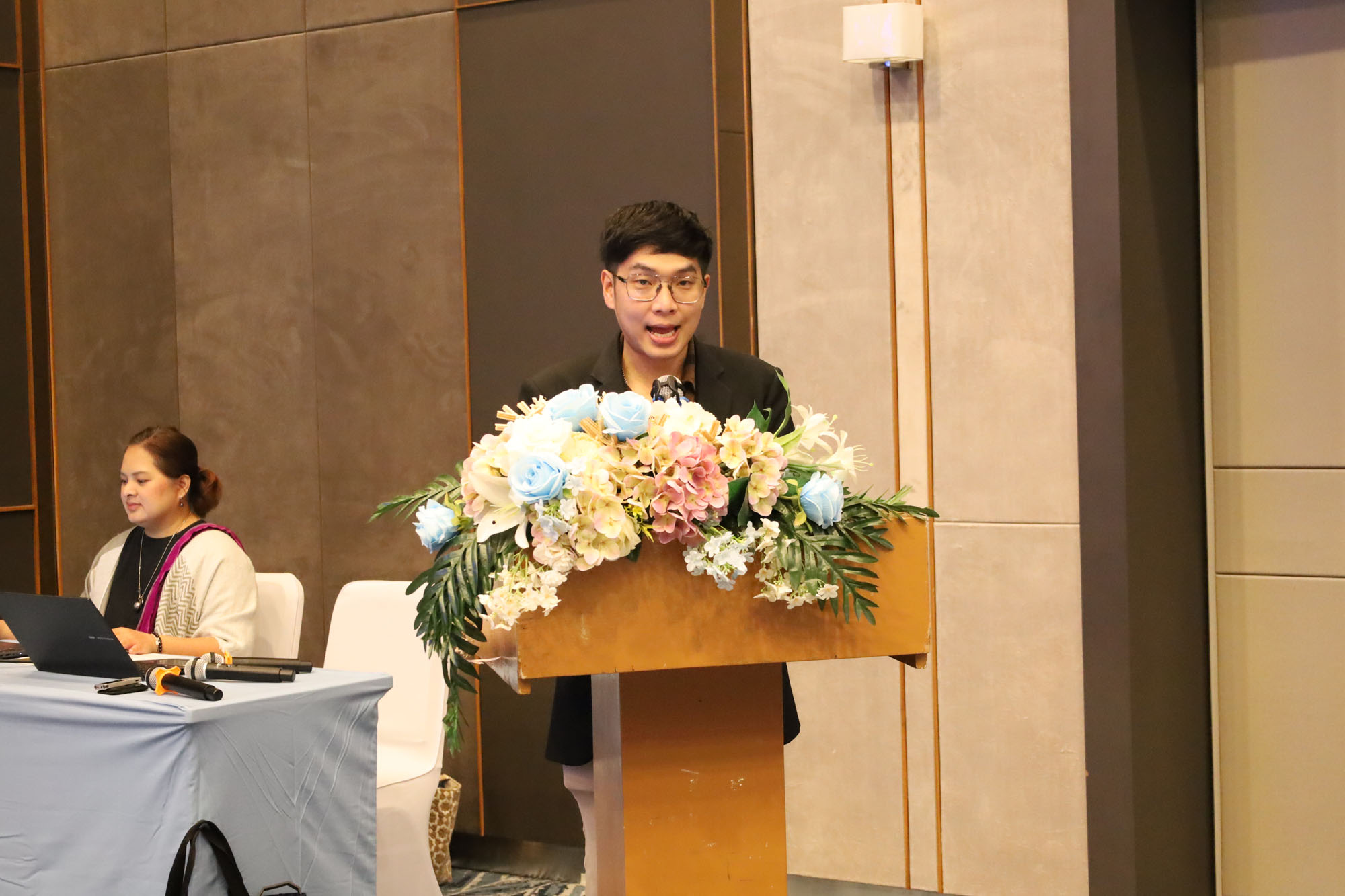
The workshop opened with welcoming remarks and an overview of its objectives by Nuntawut Habkhonglek of HRDF. This was followed by a presentation on Business and Human Rights (BHR) and Human Rights Due Diligence (HRDD), drawing on the experiences and perspectives of migrant workers in Chiang Mai, delivered by Asst. Prof. Saovanee Kaewjullakarn. The session also introduced the pilot application of the Labor Voice HRDD Risk Assessment Tool to support the identification and assessment of human rights risks affecting workers.
Participants subsequently reviewed and provided feedback on the LABOR VOICE HRDD WORKSHOP toolkit, presented by Assistant Professor Saowanee Kaewjunlakan and Nuntawut Habkhonglek. The discussion focused on developing practical approaches to incorporating workers’ voices into corporate human rights risk assessment and due diligence processes.
Human Rights at Work Are Everyone’s Responsibility
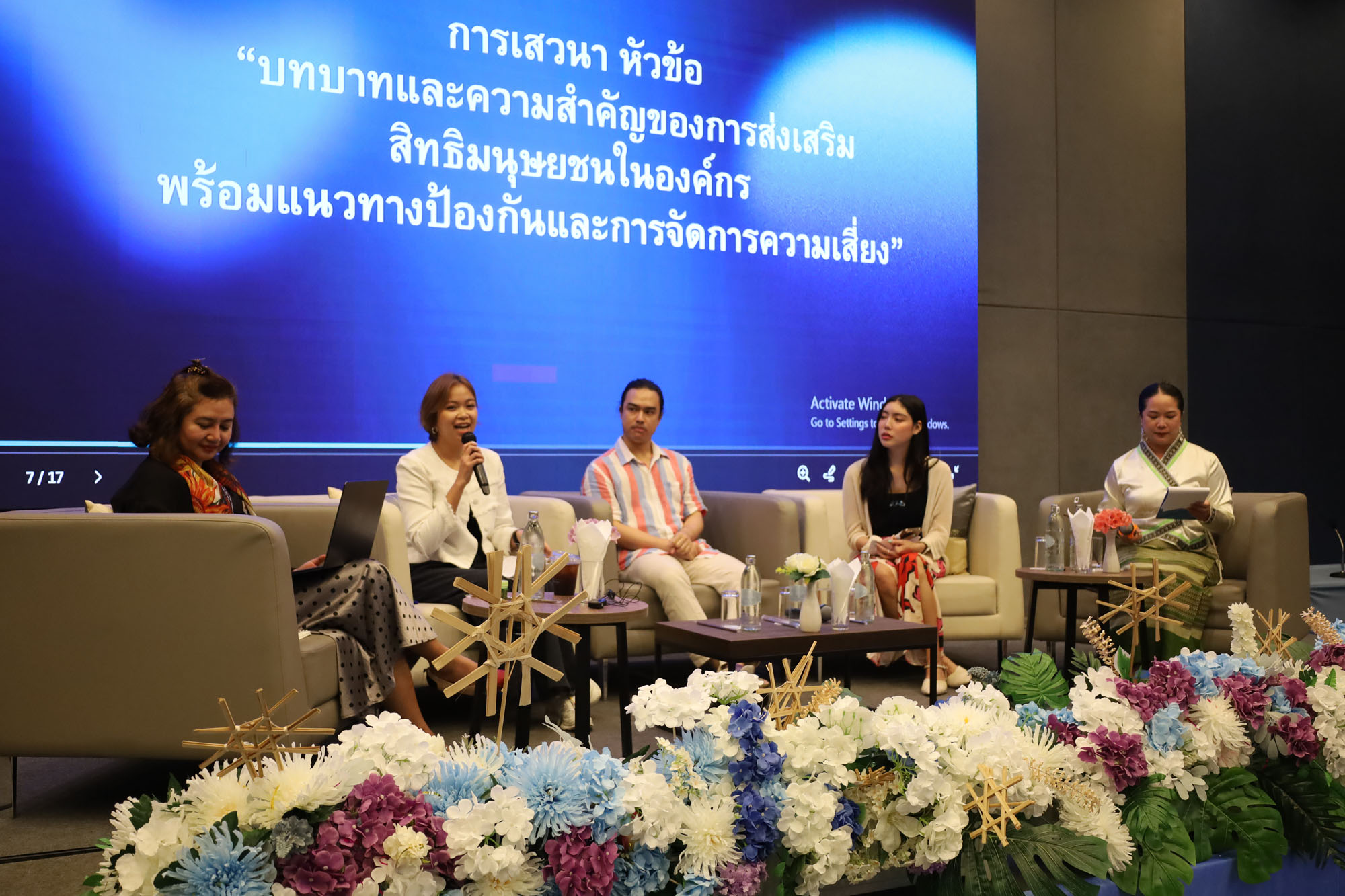
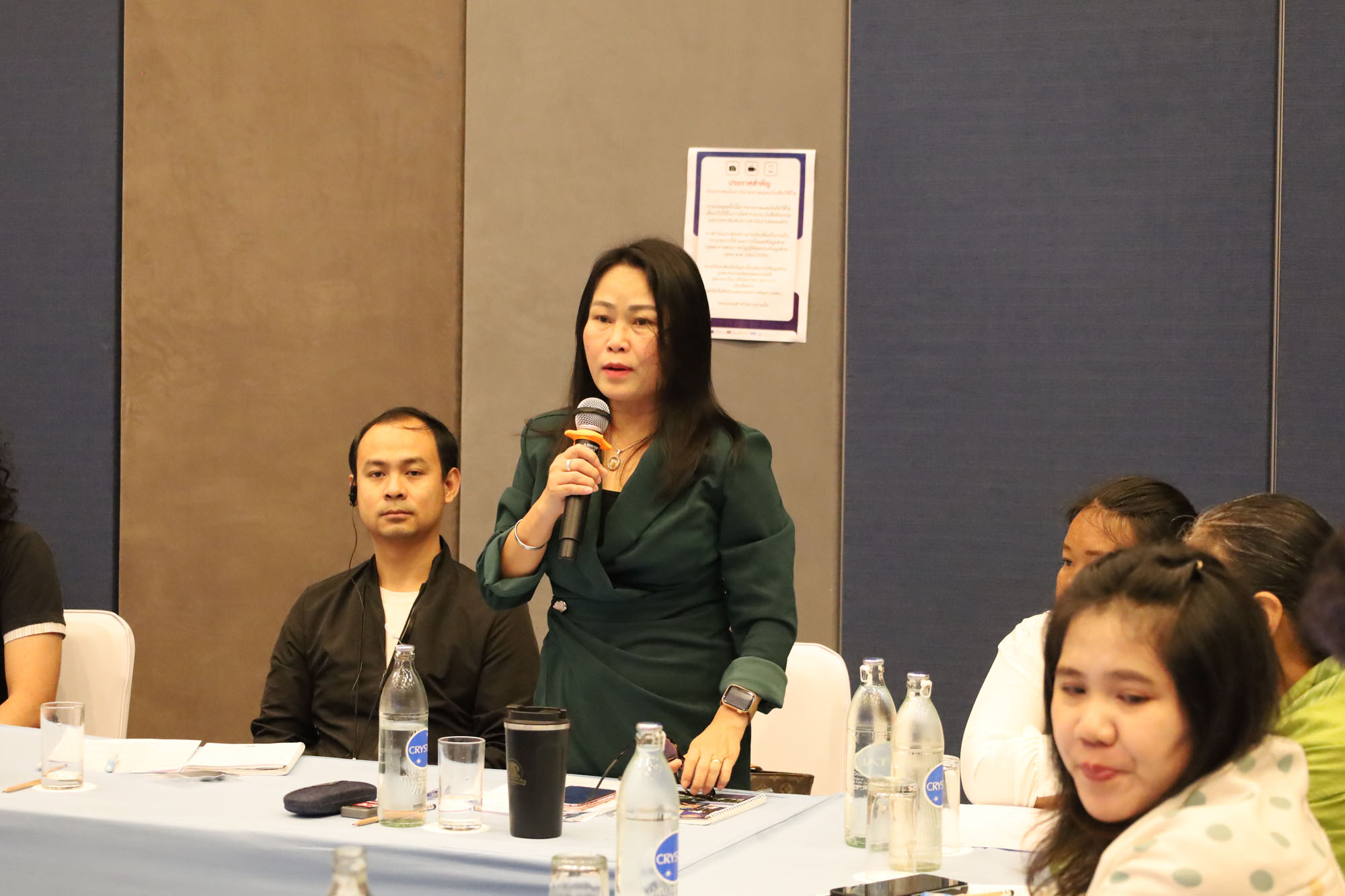
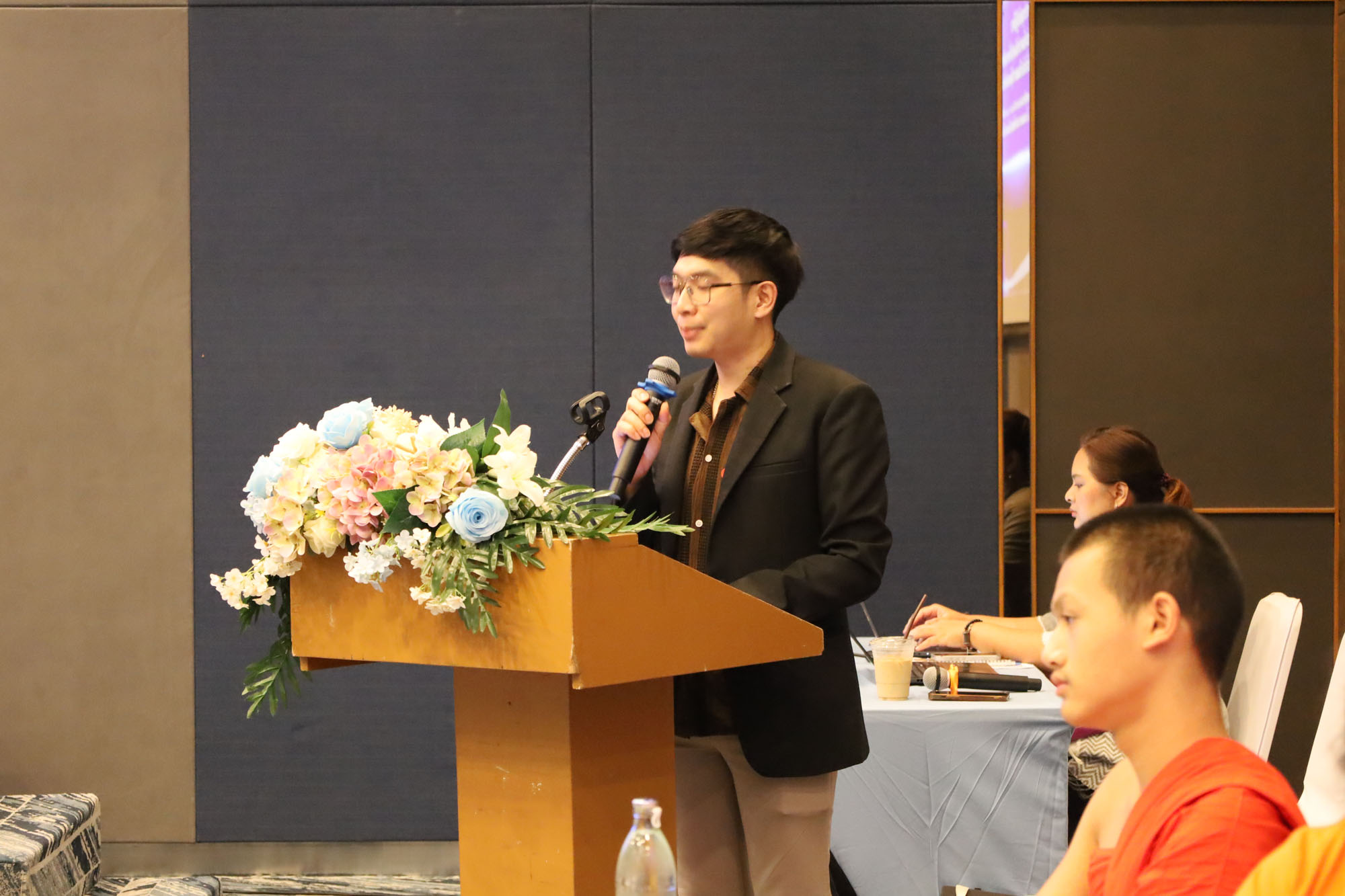
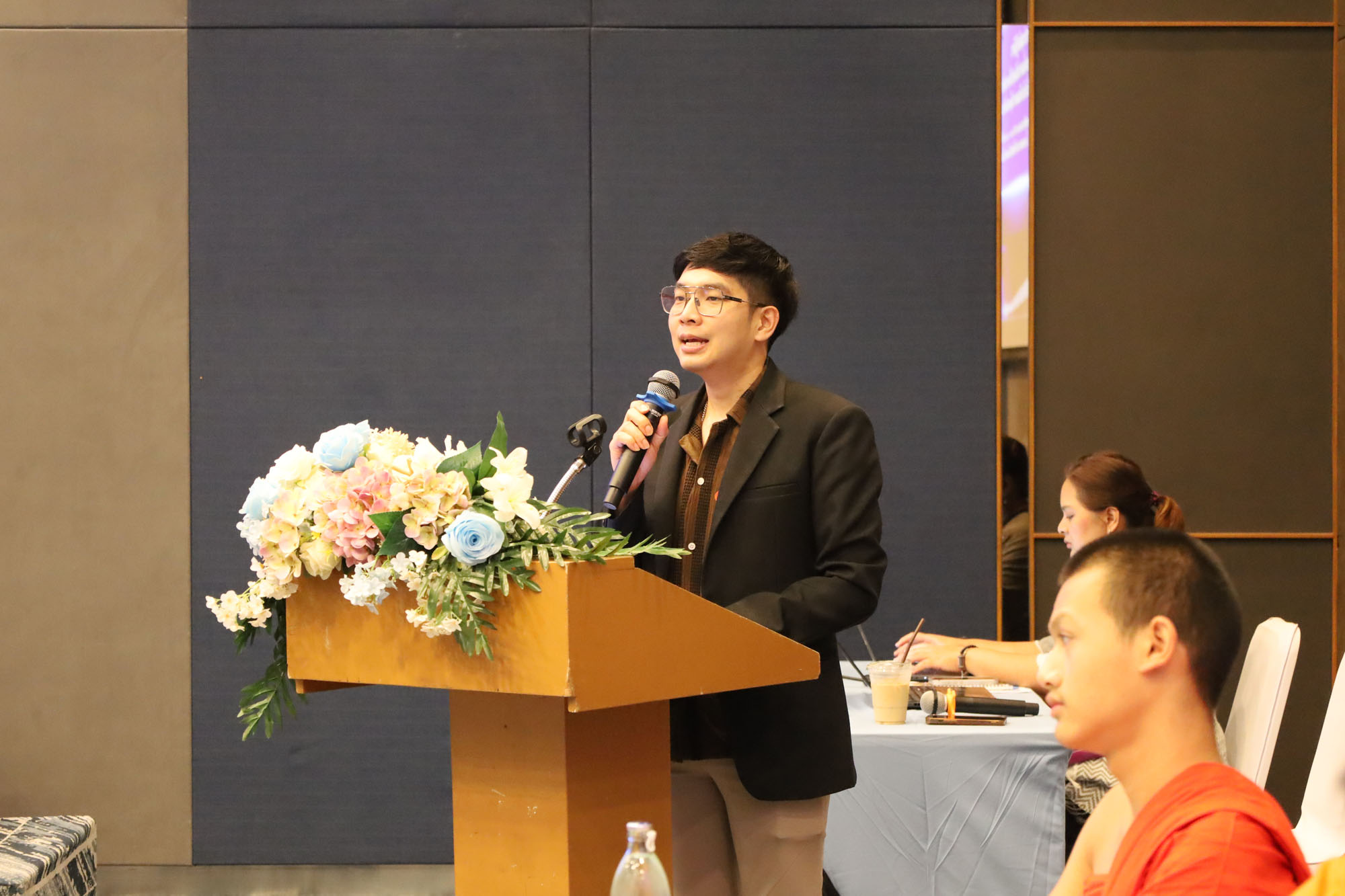
A panel discussion was held under the theme “Human Rights at Work Are Everyone’s Responsibility: From Risks and Harassment to Collective Action for Rights-Respecting Workplaces.” The discussion explored human rights risks and violations in the workplace, as well as the roles of different stakeholders in promoting and protecting workers’ rights.
The panel featured:
Asst. Prof. Saovanee Kaewjullakarn
Suphalak Bamrungkit, Northern Labour Network
Tanyakan Daengsubha, Department of Rights and Liberties Protection, Ministry of Justice
Nuntawut Habkhonglek, Human Rights and Development Foundation (HRDF)
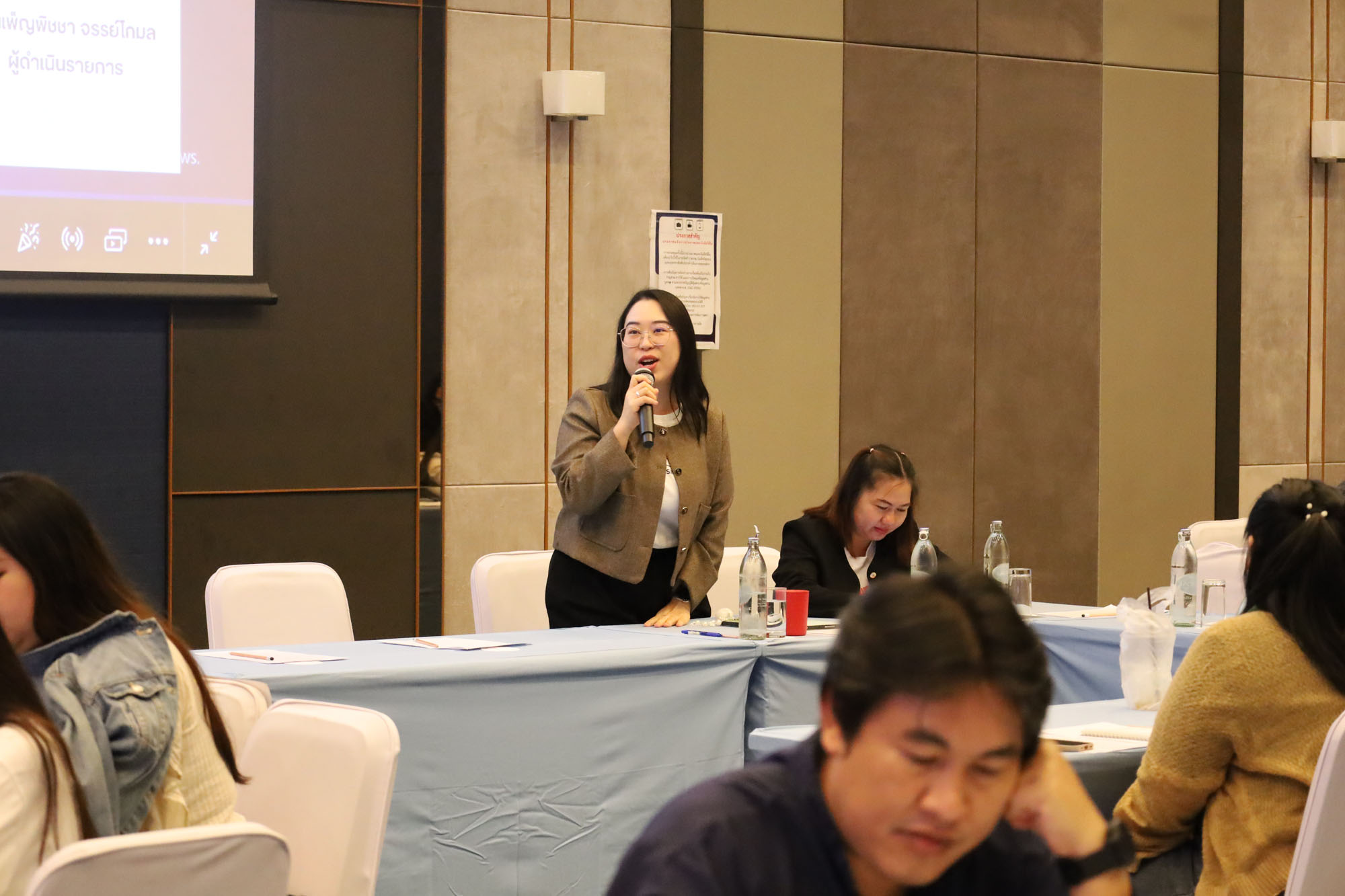
The discussion was moderated by Penpitcha Jankomol.
Strengthening Grievance Mechanisms and Local-Level Collaboration
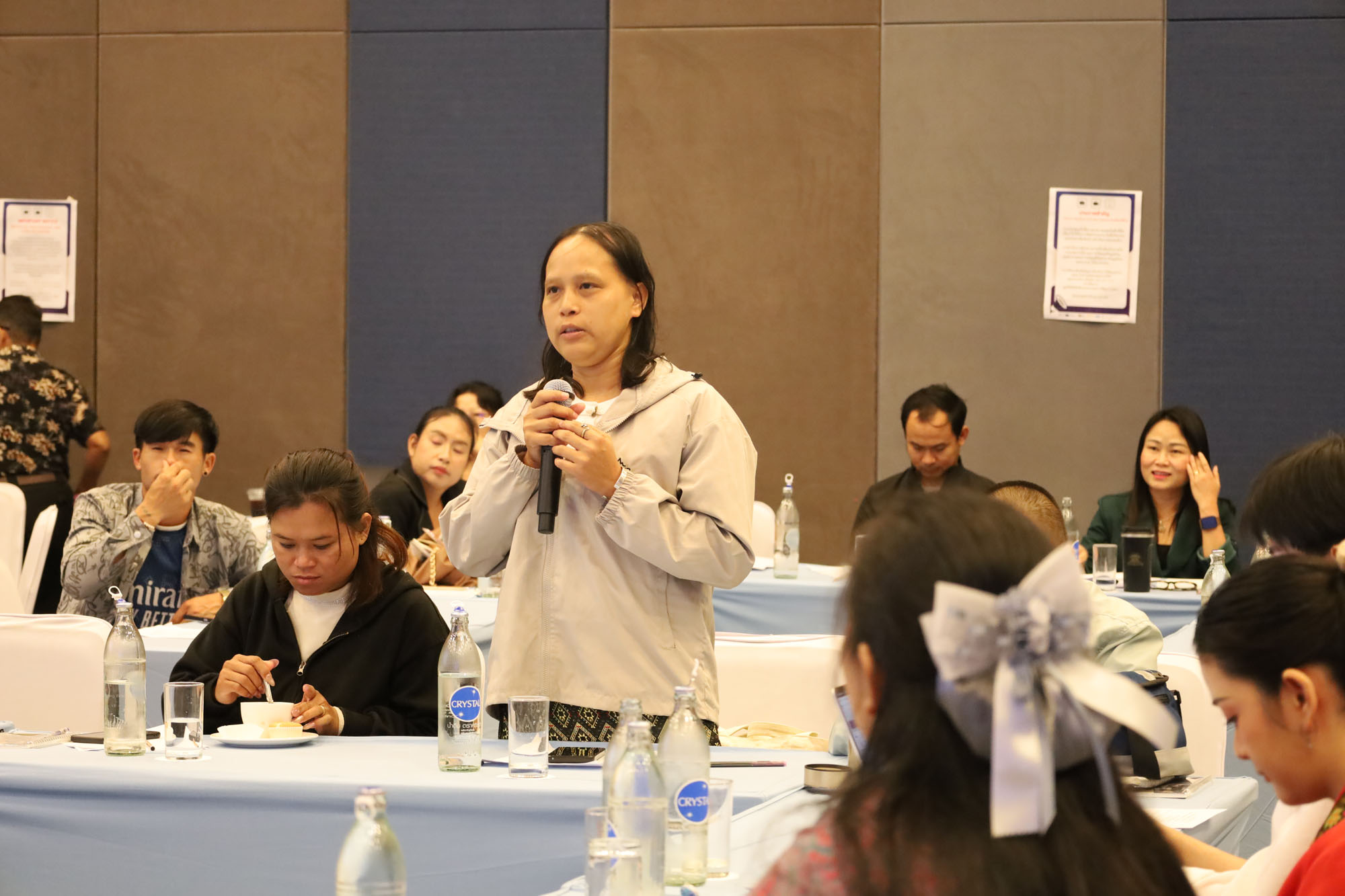
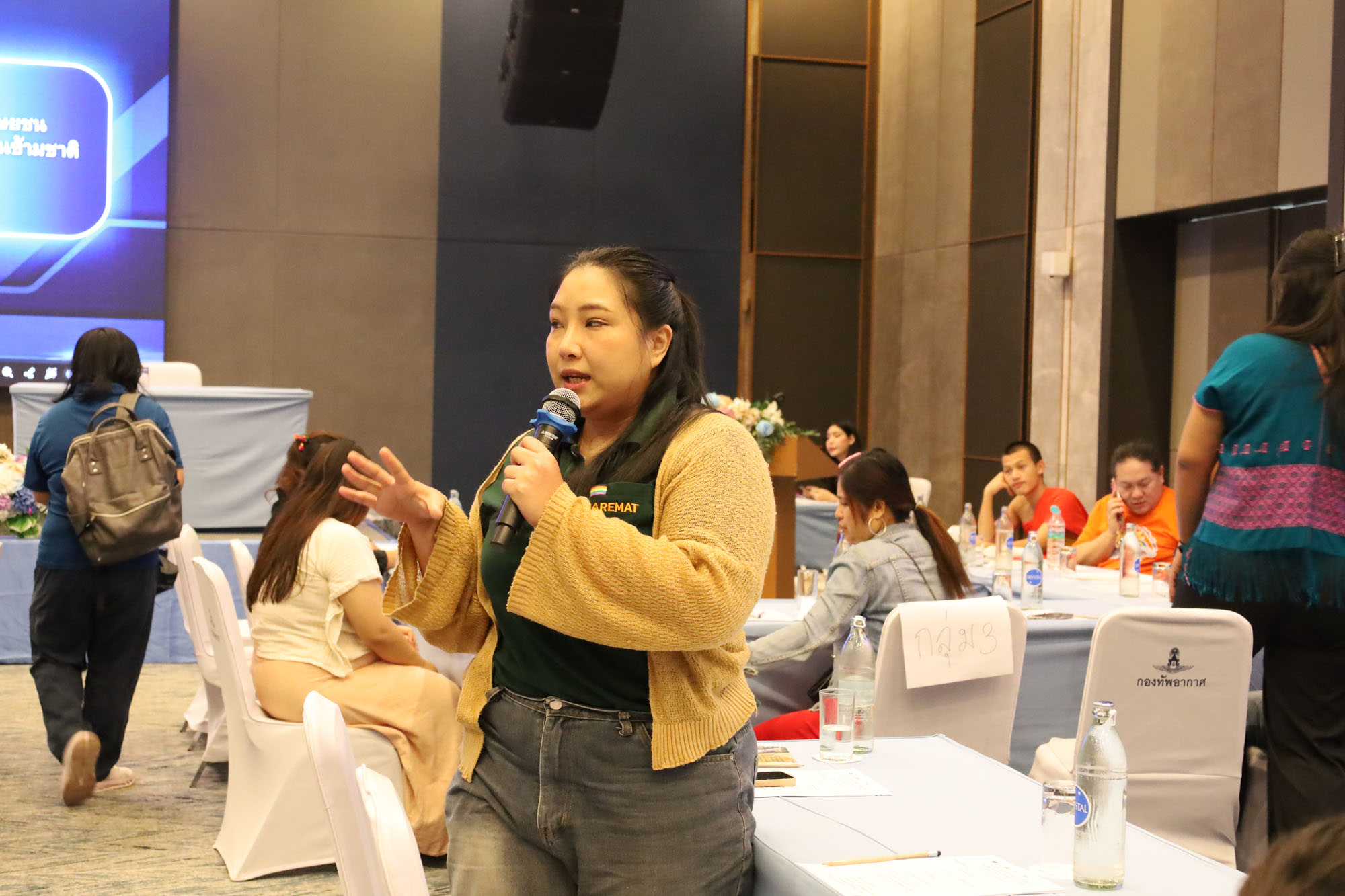
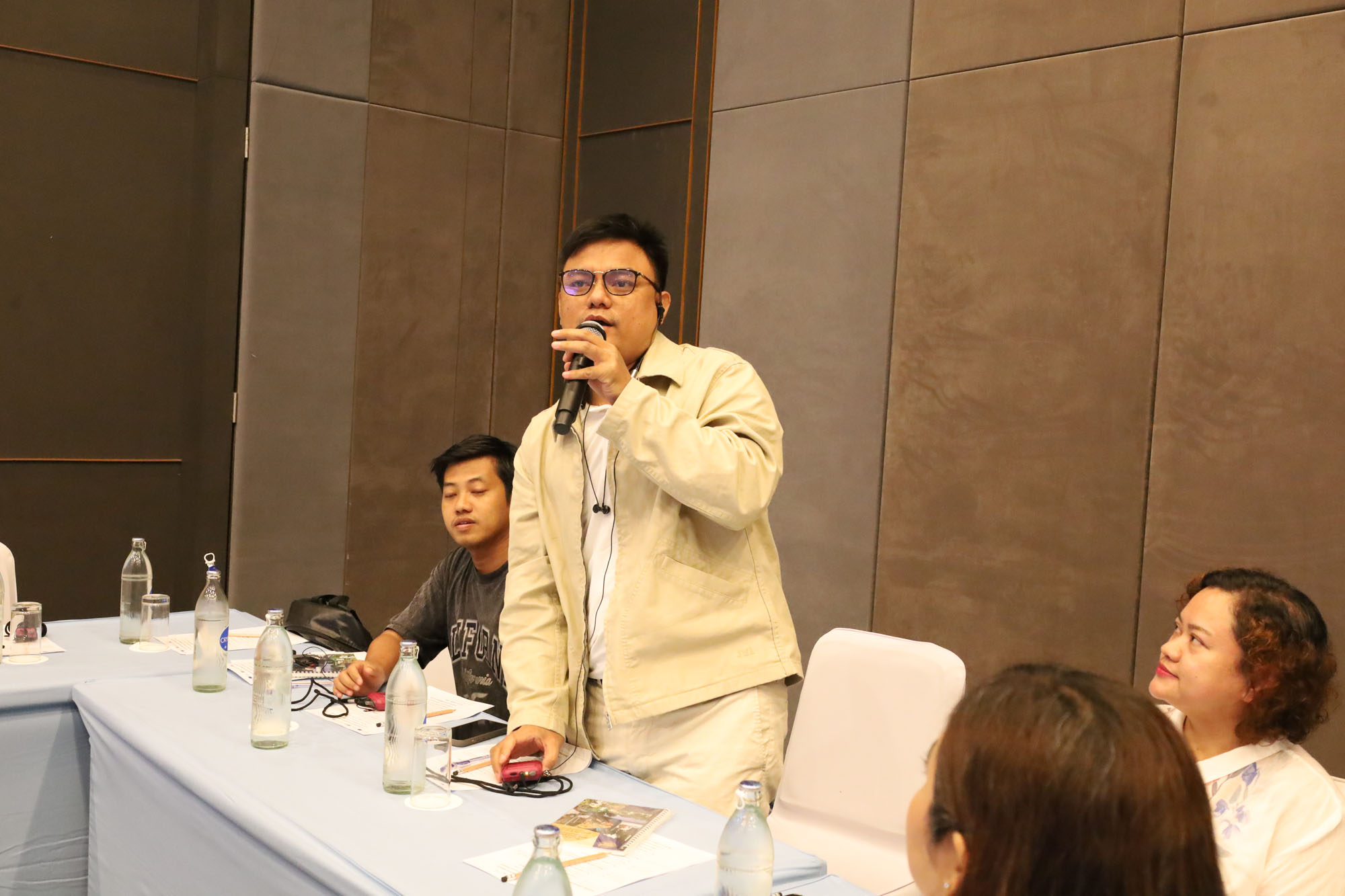
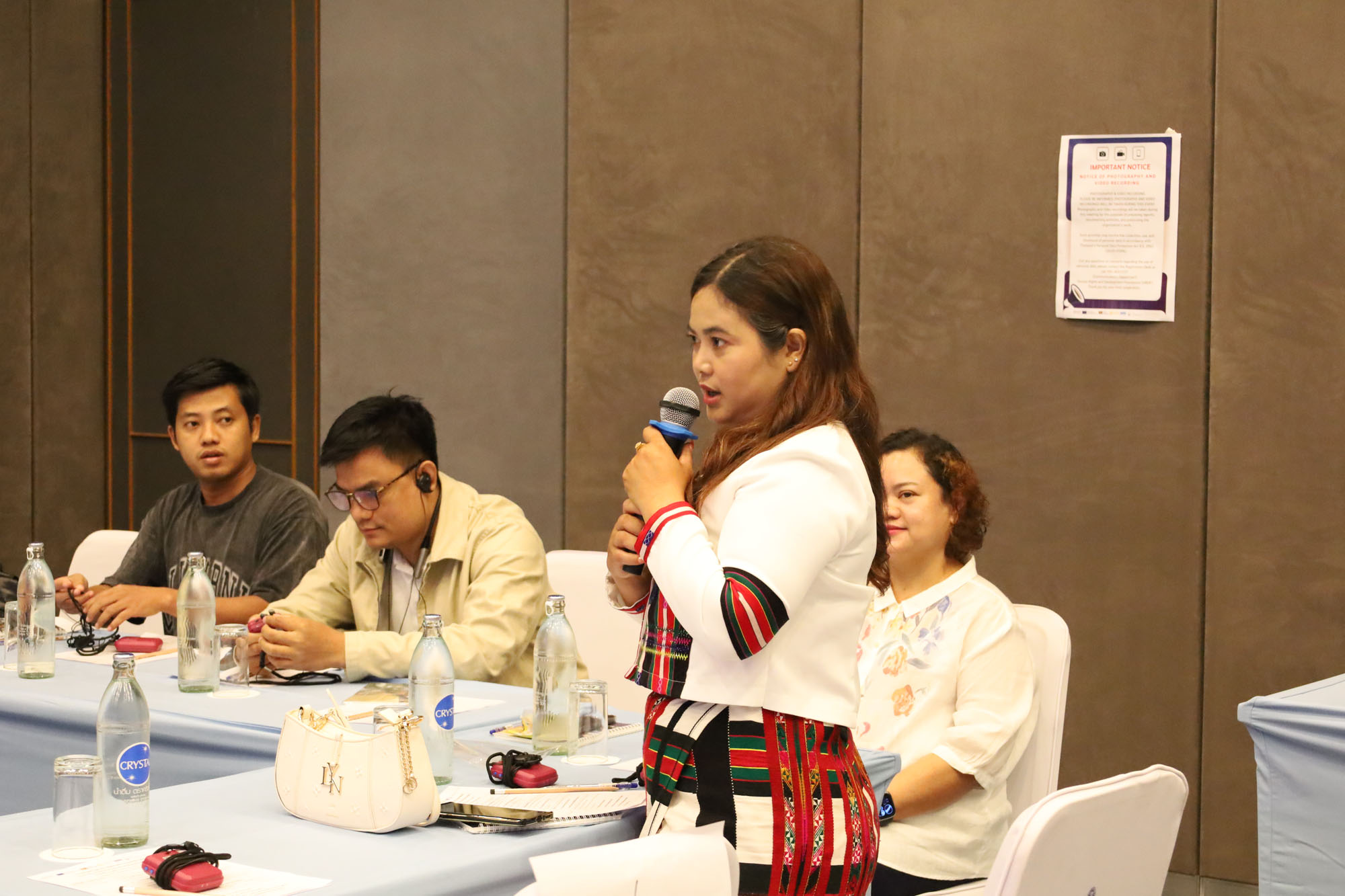
In the afternoon, participants took part in group discussions, with representatives from government agencies, the private sector, civil society organisations (CSOs), and community-based organisations (CBOs) assigned to mixed groups to exchange perspectives and develop practical approaches across four key areas:
Developing Grievance Channels and Referral Pathways: Strengthening coordination and referral systems among relevant agencies to facilitate the receipt of complaints and ensure appropriate assistance for affected workers.
Expanding Collaboration Between Government Agencies and Community-Based Organisations (CBOs): Promoting cooperation to improve access to services, protection, and proactive support for migrant workers and their communities.
Promoting Human Rights Due Diligence (HRDD) Among Local Businesses: Encouraging local businesses to adopt HRDD practices to prevent, identify, assess, and address human rights risks associated with their operations.
Resource Matching: Identifying support needs, available resources, operational limitations, and barriers faced by civil society organisations in delivering assistance and protection.
The group discussions were facilitated by Sukanta Sukphaita and Phenpiccha Jankomol
The workshop then moved to a session examining gaps and opportunities for stronger collaboration between government agencies and community-based organisations. The session was led by Asst. Prof. Dr. Darunee Paisanpanichkul, Faculty of Law, Chiang Mai University, and Kornkanok Wathanabhoom, Mekong Legal Advisor at EarthRights International. The discussion highlighted key challenges and opportunities for strengthening coordination among relevant stakeholders in developing effective grievance mechanisms and improving the protection of migrant workers’ rights.
The workshop concluded with closing remarks by Nuchnalin Leerasantana of Lighthouse Partnerships.
Moving Towards Rights-Respecting Business Practices
Advancing business practices that respect human rights requires sustained collaboration among all stakeholders. This includes preventing human rights risks throughout business operations, ensuring that workers have meaningful opportunities to raise concerns and access effective grievance mechanisms, and strengthening coordination among relevant agencies to ensure appropriate protection and access to remedies.
The development of these mechanisms is an important step towards translating Business and Human Rights principles into practice, while ensuring that the rights and dignity of all workers are respected and protected.